Machining Allowance: Definition, Factors, and Calculation
Machining allowance refers to the extra material intentionally left on a workpiece before the final machining process. It is not random excess stock. It is
Explore the latest in CNC machining with practical maintenance tips, component breakdowns, buyer’s guides, and industry insights. Each article is designed to help you understand machine tools deeply and choose the right solutions for your production line.

Machining allowance refers to the extra material intentionally left on a workpiece before the final machining process. It is not random excess stock. It is

This article gives a clear overview of boring machining, covering its working logic, machining value, major operational types, industrial applications, process differences from drilling, reaming, and turning, plus common challenges such as tool deflection, chatter, chip evacuation, heat, tool wear, and clamping error.

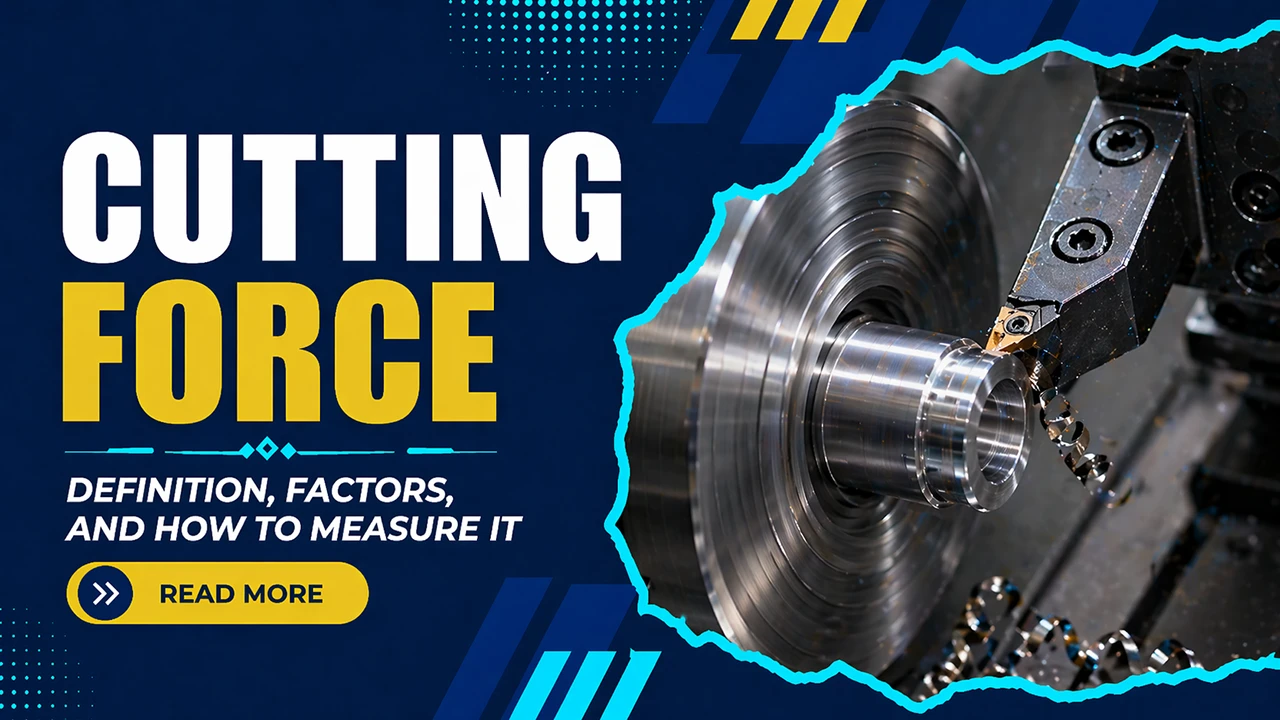
From basic definition to real machining behavior, this article takes a structured look at cutting force in machining. It covers its core components, why it matters in cutting operations, what factors shape it, how it behaves across different processes, how it is measured, and how it is managed in practical machining conditions.

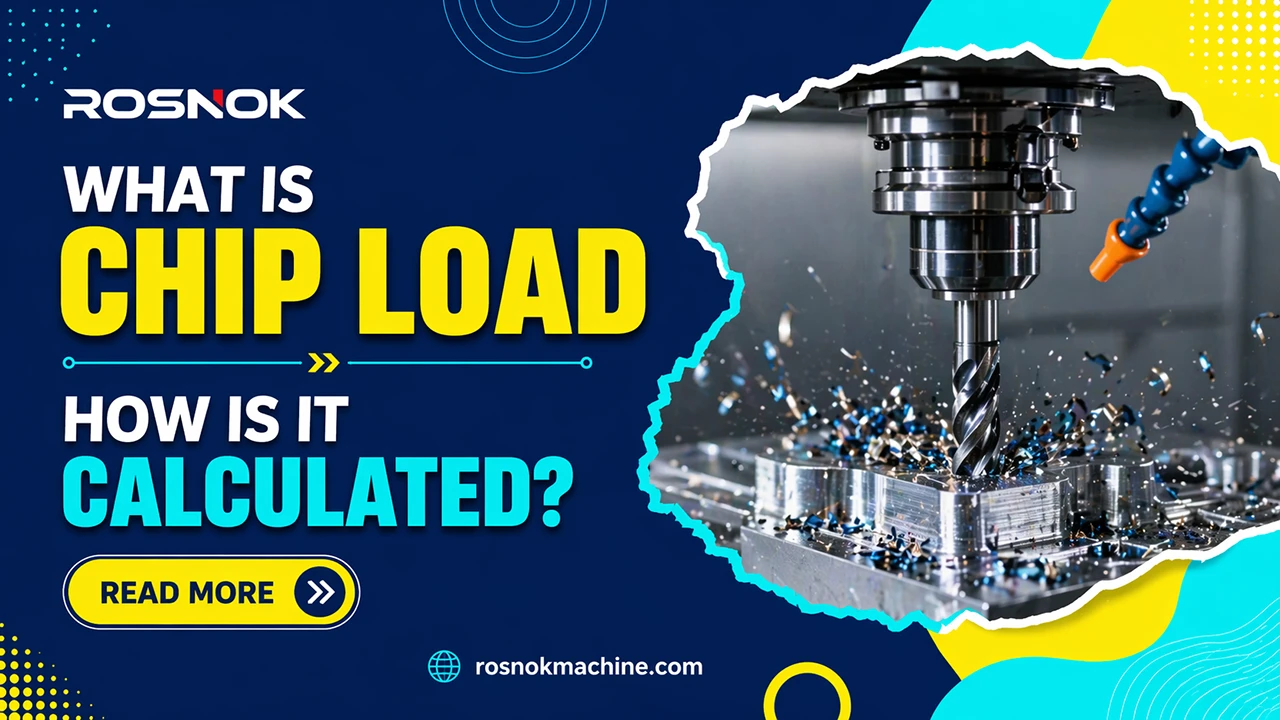
This article provides a complete overview of chip load in milling, covering its practical importance, the key variables that influence it, the standard calculation method, and the consequences of running too low or too high. It also explains how machinists can read cutting feedback to judge whether chip load is working with or against process stability, efficiency, and tool performance.

This article explains roughing vs finishing in machining by clarifying their roles, differences, and relationship in real production. It covers machining purpose, material removal rate, cutting parameters, tooling, accuracy, surface quality, and process strategy, helping readers understand how both stages work together to improve efficiency and final part quality.

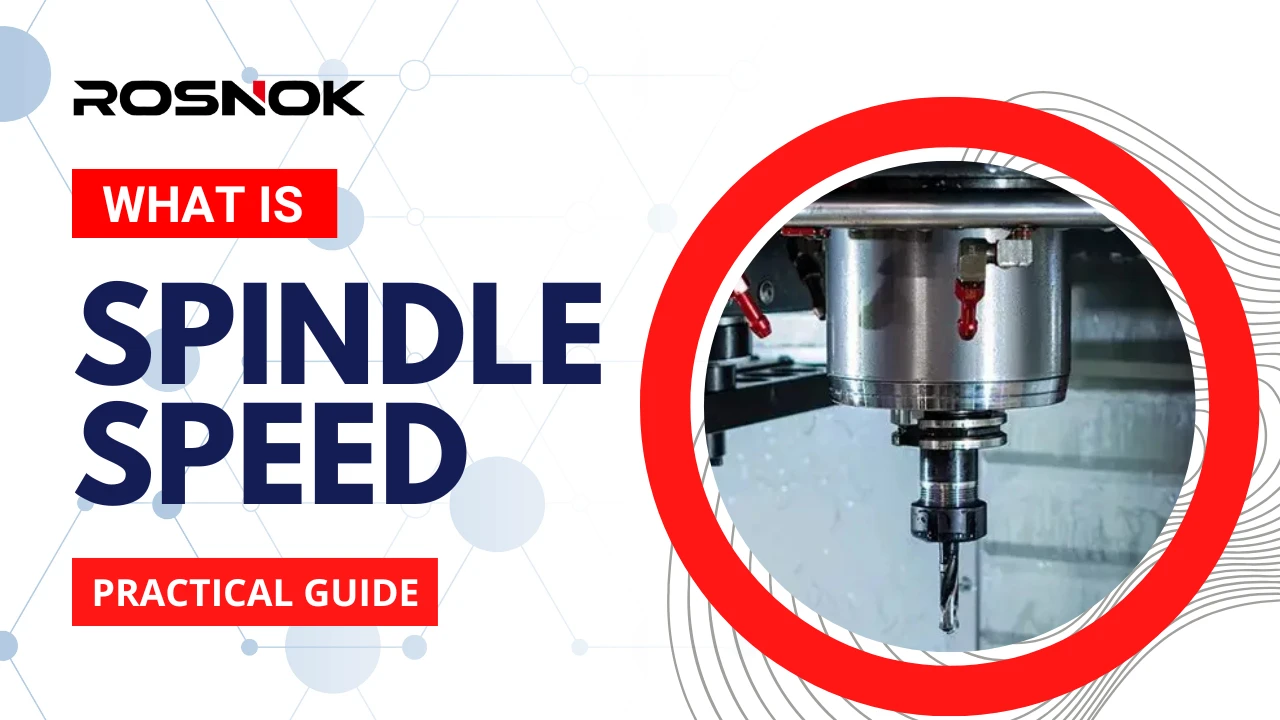
Spindle speed is a key CNC machining parameter that directly affects cutting stability, surface finish, tool life, heat control, and production efficiency. This article explains what spindle speed means, how to calculate it, what factors influence it, how to choose it correctly, and which common mistakes should be avoided in real machining.

This article introduces what material removal is and explains how it works in modern manufacturing. It covers the main process types, key operating principles, influencing factors, material removal rate, major industrial applications, and practical limitations, giving readers a clear overview of its role in machining quality and production efficiency.

This article explains what surface feet per minute means in CNC machining, how it is calculated, how it differs from RPM, and how it influences cutting speed, tool life, surface finish, and machining efficiency. It also explores the main factors that affect SFM selection in practical machining operations.

Feed rate and cutting speed are two essential CNC machining parameters, but they control different parts of the cutting process. This article explains what each term means, how they differ in heat generation, mechanical load, tool life, surface finish, and machining strategy, and how they apply in turning, milling, and drilling.
Click to Chat
I'm online now.
Chat with our engineer on WhatsApp for fast quotes, detailed specs & expert advice.
WhatsApp Us
🟢 Online | Privacy policy
WhatsApp us
Fill out the form below, and our engineers will contact you within 12 hours to provide a tailored CNC Machine Solution for your needs.