In practical terms, material removal includes a range of processes and types. It can involve mechanical cutting, abrasive action, thermal methods, or other controlled techniques used to shape metal and engineered materials. Different types of material removal are selected according to part geometry, workpiece properties, accuracy requirements, and production goals.
This article moves beyond a basic definition to show how material removal works in real manufacturing, what types define it, and where it creates the most value. By the end, you will have a clearer understanding of this essential process.
What Is Material Removal?
When exploring the world of manufacturing, one of the most essential concepts you will encounter is material removal. It is a fundamental operation behind shaping countless industrial products today. Before looking at its main types and real-world applications, it is helpful to first understand what this term actually means.
Material Removal Definition
At its core, material removal is the engineered operation of systematically extracting excess material from a solid workpiece. This is not a random process, but a strictly controlled interaction designed to achieve a specific target geometry, exact dimensional size, and a desired surface quality. By guiding a cutting tool or energy source along a planned path, manufacturers can shape raw stock with the precision needed to meet engineering drawings and functional requirements.
Material Removal in Simple Terms
If the technical definition sounds complex, it can be understood in a much simpler way. Material removal is the process of taking a raw, oversized blank and shaping it step by step into a precise, usable part.
A helpful comparison is sculpture. A sculptor starts with a solid block of stone and removes everything that does not belong to the final statue. In manufacturing, the principle is very similar. Instead of stone and chisels, engineers work with metal, plastics, or other engineered materials and use precise machine tools to remove unwanted sections until the required part remains.
Material Removal vs. Material Forming
To understand material removal more clearly, it helps to compare it with another major manufacturing approach: material forming.
Forming processes, such as casting, forging, bending, or stamping, reshape material without making removal the central step. In casting, molten metal is poured into a mold and allowed to solidify. In forging, solid metal is pressed into a new form under force. In these methods, the original material is mainly shaped rather than reduced through cutting or erosion.
Material removal follows a different logic. It begins with a workpiece that is larger than the final design and reduces it by removing the excess in the form of chips, particles, or other byproducts. While forming is widely used for producing basic or near-net shapes, material removal is often used when a part requires closer dimensional control, added detail, or improved surface quality.
How Does Material Removal Work?
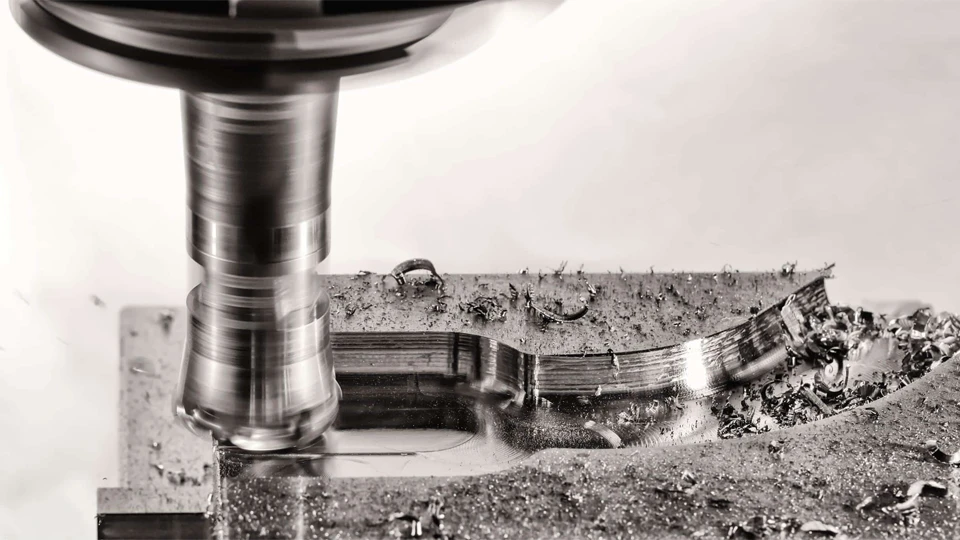
Material removal works by creating a controlled interaction between a workpiece and a tool or energy source. During this interaction, excess material is separated from the surface in a planned way. The purpose is not simply to reduce size, but to do so with enough control to produce the required geometry, dimensional accuracy, and surface condition.
The Basic Working Principle of Material Removal
The basic principle is straightforward. A machine creates relative motion between the workpiece and a cutting tool, abrasive medium, or energy source, while force, friction, heat, or electrical energy is applied in a controlled manner. As this action continues, a small portion of the material is removed from the original stock.
In conventional machining, this usually happens through direct contact between the cutting tool and the workpiece. The tool penetrates the surface and removes a thin layer at a time. In other processes, removal may come from abrasive contact, thermal energy, or electrical discharge rather than a traditional cutting edge. Even so, the core idea remains the same: controlled action removes excess stock so the remaining form matches the design target.
What Happens During the Removal Process
As material removal begins, the surface layer of the workpiece is forced to separate from the main body. Depending on the process, this separated portion may appear as chips, fine particles, molten debris, or vaporized matter. The exact form depends on the method being used and the properties of the workpiece itself.
This stage must stay stable. If the removal action becomes too aggressive, the process may damage the surface or reduce dimensional accuracy. If it is too light or inconsistent, it may fail to remove stock efficiently. For that reason, material removal is always a balance between controlled force and controlled result.
Key Elements in Material Removal
Several core elements make the process possible:
- Workpiece: the starting stock that will be shaped into the final part.
- Cutting tool or energy source: the element that performs the actual removal.
- Machine motion: the controlled movement that determines how and where removal takes place.
- Process control: the parameters and adjustments that keep the operation accurate and repeatable.
- Support stability: the worktable or supporting structure must do more than hold the workpiece in place. It helps carry the cutting load, resist unwanted movement, and maintain system rigidity during the operation. This stability is essential because even a well-designed tool path cannot produce reliable results if the machine structure and support system are not steady enough.
Together, these elements determine whether material removal can be carried out with consistency, control, and reliable results.
Main Types of Material Removal Processes
In industrial manufacturing, material removal is not a one-size-fits-all operation. Different part designs and materials require different cutting methods. These processes are generally categorized by the type of mechanism or energy they use to separate material. The most common categories are mechanical, abrasive, thermal, and chemical.
Mechanical Material Removal
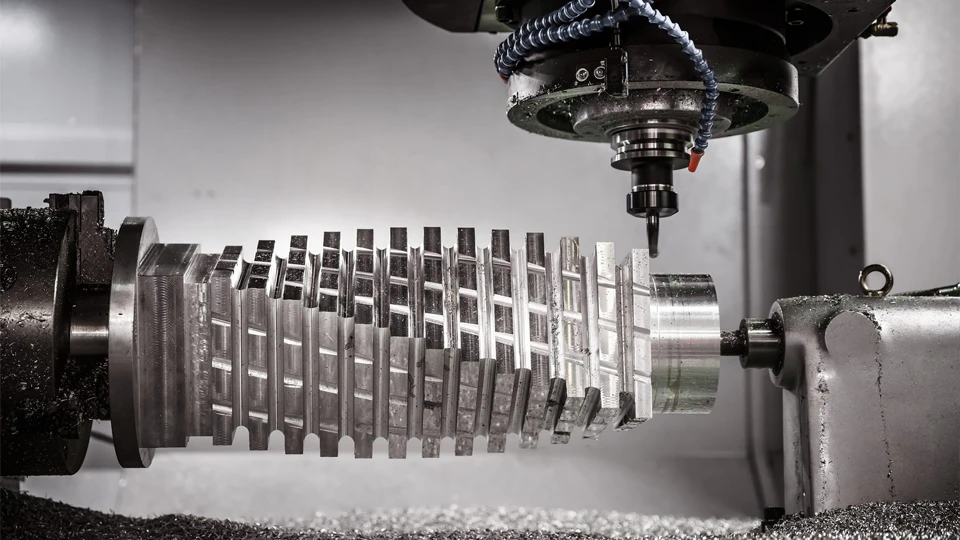
Mechanical material removal is a core category in the modern machine shop. In these processes, a physical cutting tool comes into direct contact with the workpiece to shear away excess stock in the form of chips. This category includes some of the most widely used machining operations in manufacturing today:
Turning
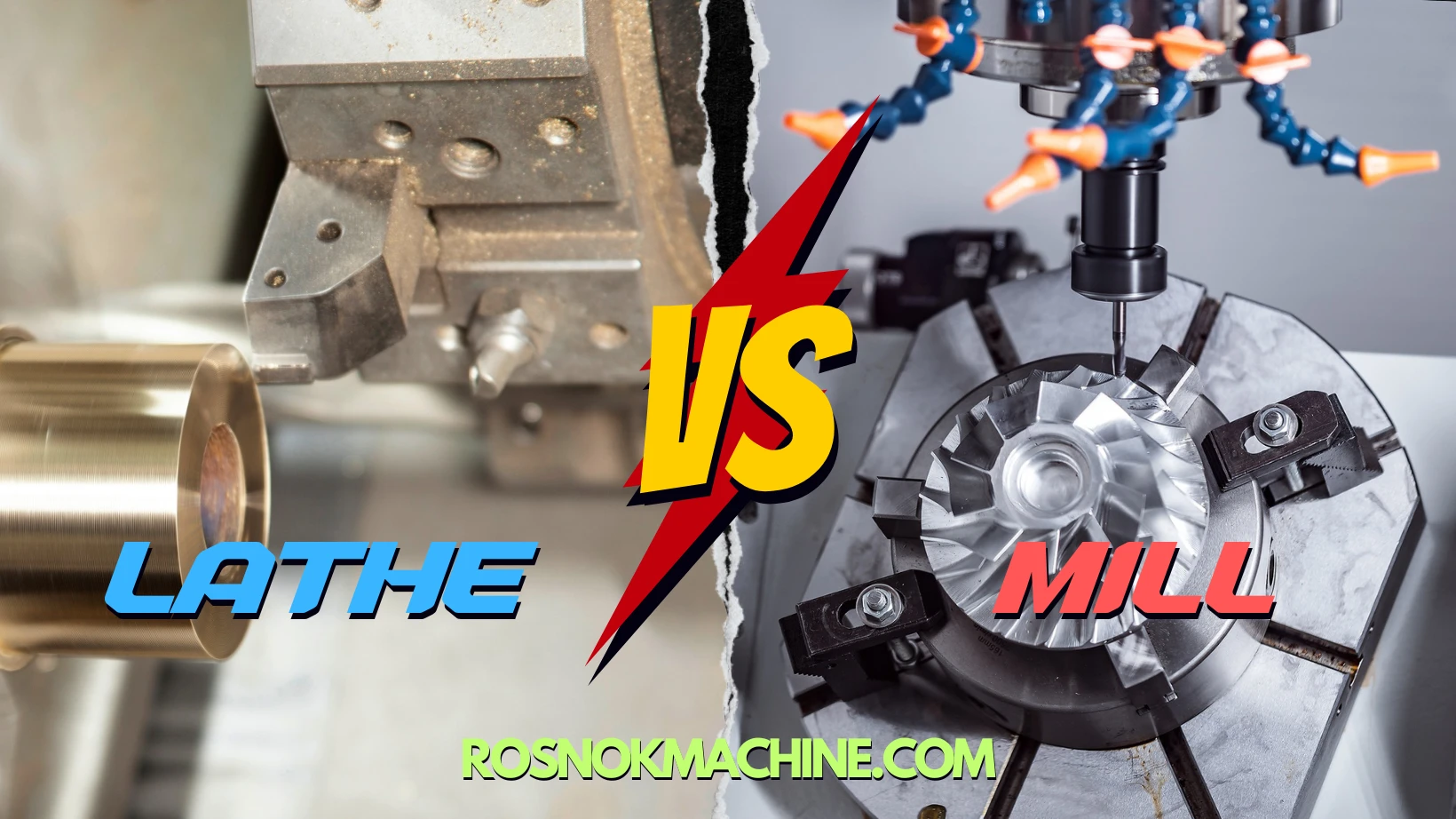
Turning is the go-to process for creating cylindrical or round parts. The principle is simple: the workpiece is held in a chuck and rotated at controlled speed, while a stationary cutting tool moves in a straight line along or across its surface to remove material.
- Best for: Shafts, pins, pipe fittings, and any part requiring rotational symmetry.
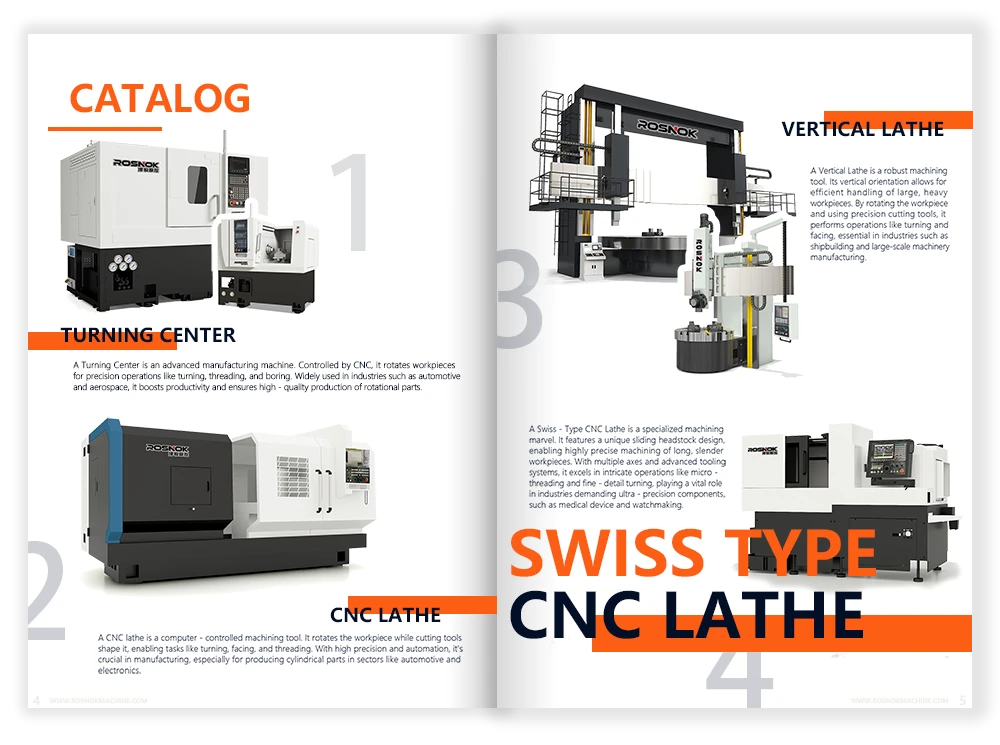
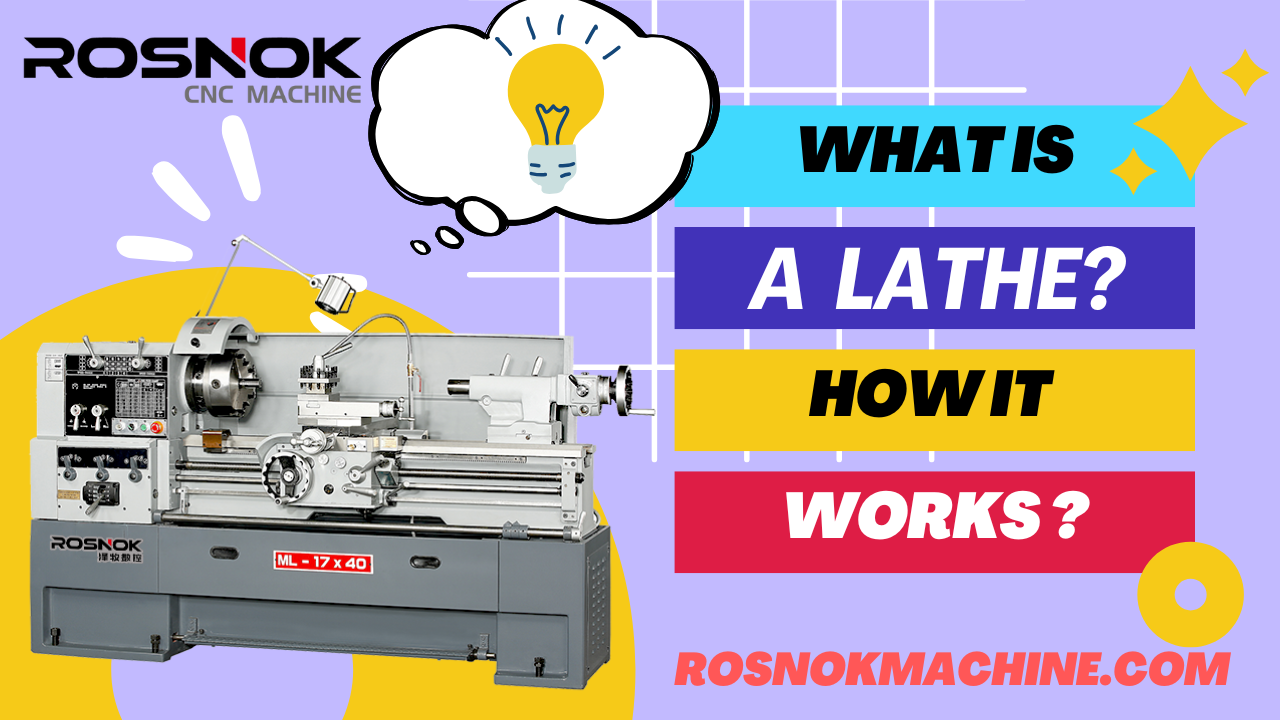
- Machine used: Lathes or CNC turning centers. Modern turning centers often feature automated tool turrets that allow the machine to switch quickly between different cutting tools without stopping the production cycle.
Milling
If turning is mainly used for round parts, milling is widely used for flat surfaces, slots, and complex 3D shapes. In this process, a multi-point cutting tool rotates at high speed while the workpiece, machine table, or tool moves along a controlled path to remove material.
- Best for: Engine blocks, aerospace structural frames, custom enclosures, and non-round geometric parts.
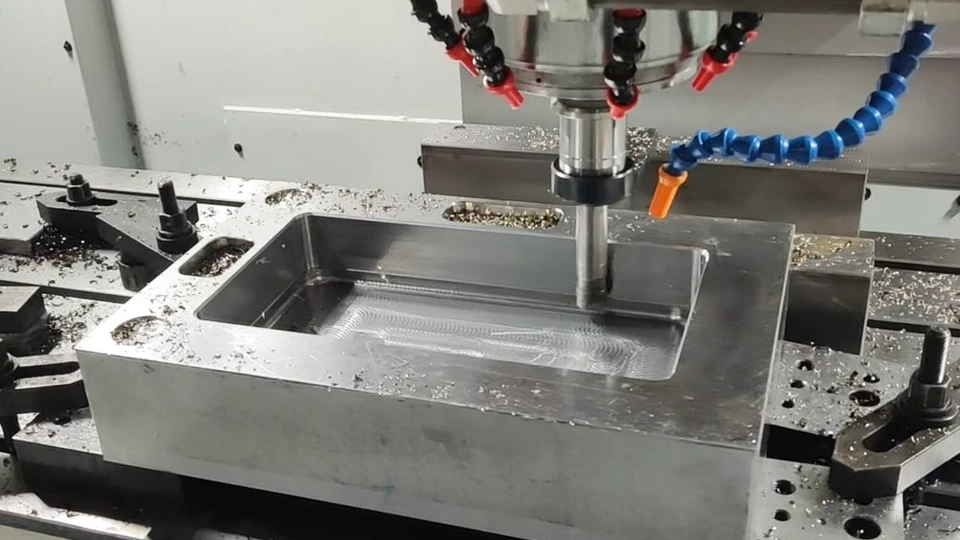
- Machine used: Milling machines or vertical and horizontal machining centers. In milling, the worktable plays a major role. It secures the workpiece and helps absorb cutting load, allowing the machine to maintain stability and accuracy during the machining process.
Drilling
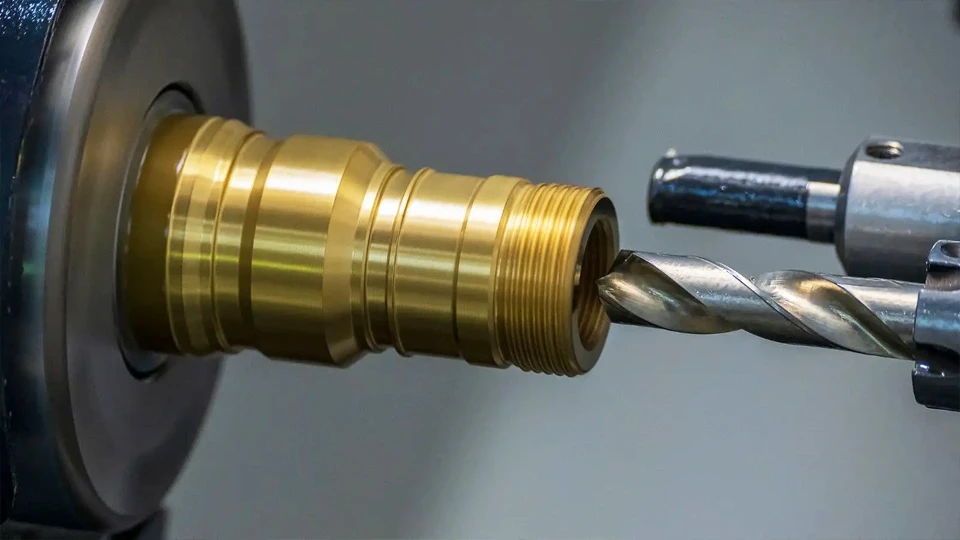
Drilling is perhaps the most recognizable material removal process. It uses a rotating, cylindrical drill bit that advances into the workpiece to create a round hole. Although it seems simple, industrial drilling still requires precise control of speed, feed, and alignment to keep the hole accurate and prevent tool damage.
- Best for: Creating initial holes for bolts, screws, or fluid passages.
- Machine used: Drill presses, or as an automated step within CNC milling and turning centers.
Boring
While drilling creates a new hole, boring is used to refine an existing one. A single-point cutting tool is fed into a hole that has already been drilled, cast, or otherwise formed to remove a small amount of material from the inner surface. The goal of boring is usually not heavy stock removal, but improved diameter accuracy, better alignment, and a smoother internal finish.
- Best for: Engine cylinders, bearing housings, and any application where an internal hole must be precisely sized.
- Machine used: Boring mills, or specialized boring tools used on standard CNC machines.
Abrasive Material Removal
Abrasive material removal works differently from conventional cutting. Instead of relying on a defined cutting edge, it uses hard abrasive particles to remove very small amounts of material from a surface. These processes are especially useful when the goal is fine dimensional correction, better surface finish, or improved geometric accuracy.
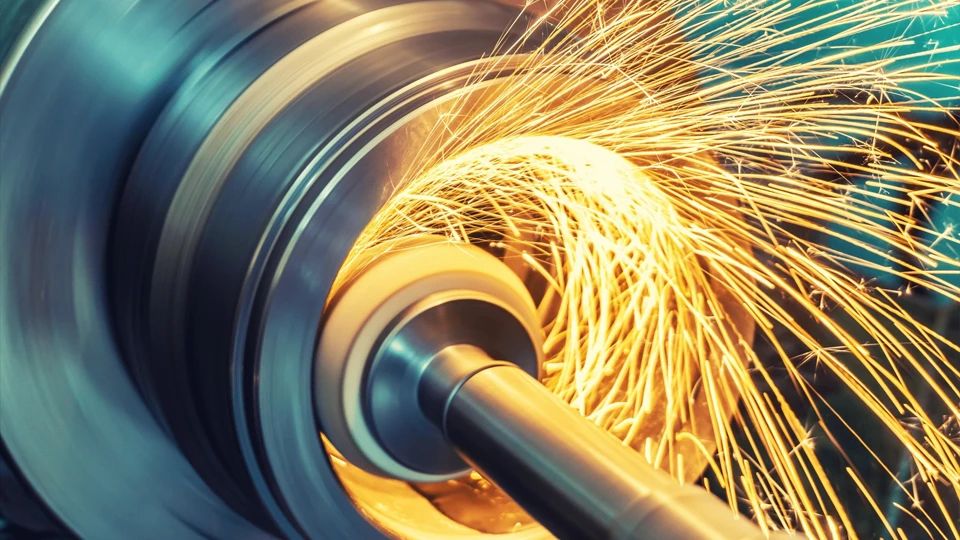
Grinding
Grinding uses a rotating abrasive wheel to remove small amounts of stock from the workpiece surface. It is commonly used after earlier machining steps when tighter tolerance or smoother finish is required.
- Best for: Precision shafts, hardened components, flat reference surfaces, and finishing operations.
- Machine used: Surface grinders, cylindrical grinders, and other specialized grinding machines.
Honing
Honing is mainly used to improve the internal surface of a hole. It removes a very small amount of stock while improving geometric accuracy and producing a controlled surface pattern.
- Best for: Cylinders, precision bores, and parts that require improved internal finish.
- Machine used: Honing machines or dedicated bore-finishing equipment.
Lapping
Lapping is a very fine finishing process that uses loose or embedded abrasive particles to remove an extremely small amount of material. It is chosen when very high surface quality or very small dimensional correction is needed.
- Best for: Precision sealing surfaces, gauges, optical components, and ultra-fine finishing work.
- Machine used: Lapping machines or precision finishing systems.
Thermal Material Removal
Thermal material removal uses concentrated heat or electrical energy to separate material from the workpiece. Instead of relying mainly on mechanical cutting force, these methods remove stock by melting, burning, or eroding the material. They are often selected for complex profiles, hard materials, or situations where conventional cutting is less suitable.
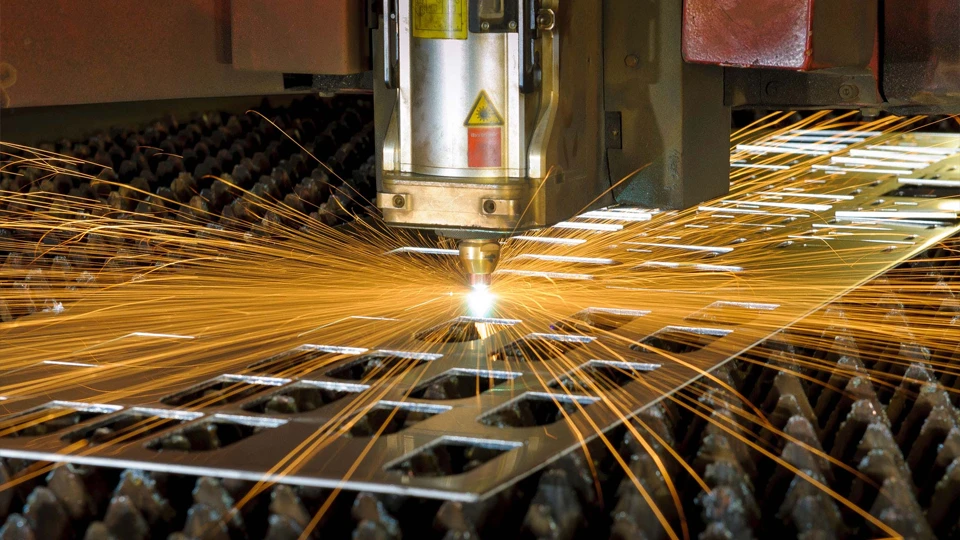
Laser Cutting
Laser cutting uses a focused energy beam to remove or separate material. The beam heats a narrow area until the material melts, burns, or vaporizes.
- Best for: Sheet metal parts, fine contours, and precise profile cutting.
- Machine used: Laser cutting machines.
Plasma Cutting
Plasma cutting uses a high-temperature ionized gas stream to cut through electrically conductive material. It is often selected for faster cutting of thicker stock.
- Best for: Steel plate, structural sections, and thicker conductive metals.
- Machine used: Plasma cutting systems.
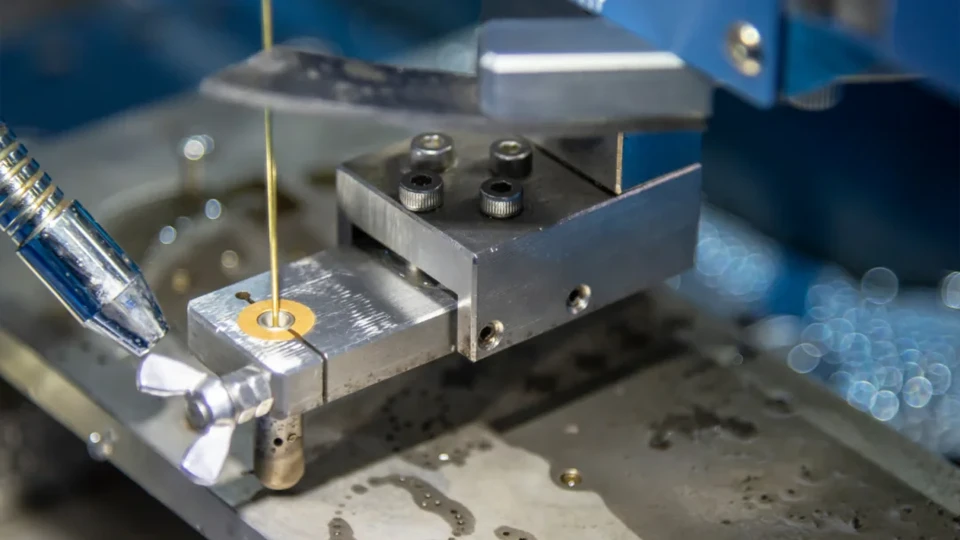
EDM
Electrical discharge machining, or EDM, removes material through repeated electrical discharges between an electrode and the workpiece. The process does not rely on a conventional cutting edge in direct contact with the material.
- Best for: Hard conductive materials, intricate cavities, and detailed precision shapes.
- Machine used: EDM machines, including sinker EDM and wire EDM systems.
Chemical and Electrochemical Material Removal
This category removes material through chemical reaction or electrochemical action rather than ordinary cutting force. These methods are less common than mechanical cutting, but they remain important in specialized manufacturing applications where contact-based machining is not ideal.
Chemical Machining
Chemical machining removes material by exposing selected areas of the workpiece to a chemical etchant. The unwanted portion is dissolved while protected areas remain unchanged.
- Best for: Thin sections, detailed patterns, and applications where mechanical cutting is not preferred.
- Machine used: Chemical machining systems or etching setups.
Electrochemical Machining
Electrochemical machining removes material through controlled anodic dissolution. In simple terms, the workpiece loses material through an electrochemical reaction rather than through direct cutting pressure.
- Best for: Conductive materials, complex shapes, and parts that require low mechanical stress during machining.
- Machine used: Electrochemical machining systems.
Factors That Affect Material Removal
The success of a material removal process is not just about choosing the right machine. It depends on several interacting variables. These factors determine how easily the material can be cut, how long the tools will last, and the overall quality of the finished part.
Workpiece Material
The physical properties of the raw material play a major role in the removal process. Harder materials generally require more cutting force and often cause faster tool wear. Softer materials may be easier to cut, but they can sometimes stick to the tool or deform under pressure. Other properties, such as toughness and thermal conductivity, also influence how the material responds to cutting and heat.
Tool Material and Tool Geometry
The cutting tool must be properly matched to the workpiece. First, the tool material, such as carbide or high-speed steel, must be harder and more heat-resistant than the stock being machined. Second, the tool geometry, such as the angle of its cutting edge, determines how it penetrates the surface, how chips are formed, and how cutting forces are distributed.
Cutting Speed, Feed Rate, and Depth of Cut
These three parameters control the physical interaction between the tool and the workpiece during mechanical machining:
- Cutting speed: The speed at which the cutting edge moves relative to the workpiece surface.
- Feed rate: The distance the tool advances into the material per revolution or pass.
- Depth of cut: The thickness of the material layer removed in a single pass.
Adjusting these settings helps operators balance production speed, tool life, and part accuracy.
Heat, Friction, and Tool Wear
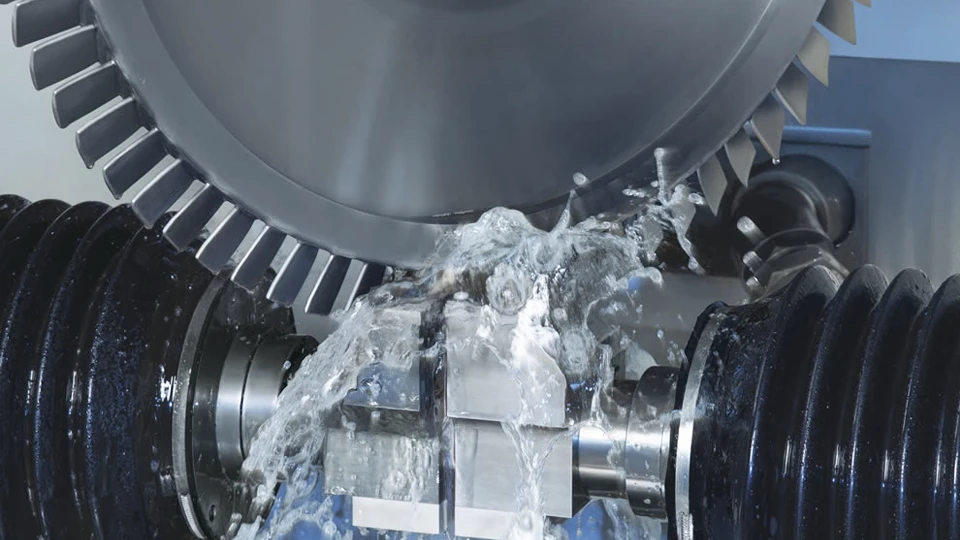
Material removal generates friction, which naturally creates heat. If this heat is not managed, it can accelerate tool wear, cause tool failure, or even affect the properties of the workpiece surface. To control this, manufacturers often use cutting fluids, or coolants, to reduce temperature, flush away chips, and provide lubrication during the cut.
Surface Finish and Dimensional Accuracy
The final requirements of the part influence how the removal process is planned. If a part requires strict dimensional accuracy or a very smooth surface finish, the operation will typically need lighter cuts, lower feed rates, or secondary finishing steps such as grinding or honing. A rougher part, by contrast, allows for more aggressive stock removal.
Material Removal Rate and Why It Matters
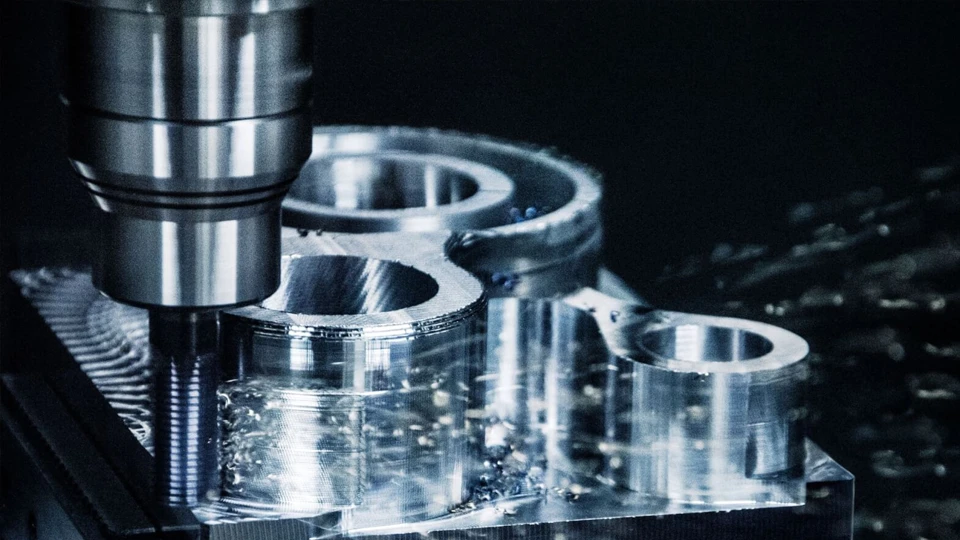
In practical applications, understanding how material is removed is only part of the equation. It is equally important to understand how fast that removal happens. This is measured by the Material Removal Rate (MRR), a critical metric that connects the machining process directly to production efficiency and costs.
What Is Material Removal Rate?
Material removal rate is a straightforward measurement: it is the volume of material removed from a workpiece in a given amount of time. In many conventional machining operations, it is estimated from cutting speed, feed rate, and depth of cut. Depending on the region, MRR is usually expressed in cubic inches per minute (in³/min) or cubic centimeters per minute (cm³/min). Simply put, it tells the operator how fast the machine is clearing away the stock.
How Material Removal Rate Affects Productivity
MRR is a direct indicator of manufacturing efficiency. A higher removal rate means the machine completes the cutting operation faster. This reduces the total cycle time for each part, allowing the factory to produce more components in a single shift. For high-volume production, optimizing the MRR is one of the most effective ways to maximize machine utilization and lower the overall cost per part.
The Balance Between Speed and Quality
While a high MRR improves production speed, it cannot be increased endlessly. Pushing the removal rate too high creates excessive cutting forces, heat, and vibration. This can lead to rapid tool wear, tool breakage, or thermal damage to the workpiece. More importantly, an overly aggressive MRR almost always results in a rougher surface finish and lower dimensional accuracy.
Therefore, MRR selection is always a compromise. The goal for engineers is to find the optimal balance: maximizing the MRR during the initial roughing stages to clear material quickly, and then lowering the MRR during the finishing stages to ensure the final part meets strict quality and tolerance requirements.
Applications of Material Removal in Different Industries
Material removal is an essential manufacturing step across a wide range of sectors. Below is an overview of several key industries that rely heavily on these processes.
Aerospace Industry
Aerospace manufacturing frequently involves machining tough, heat-resistant alloys such as titanium and high-grade aluminum. Material removal is essential for producing parts with complex geometries and strict weight-to-strength requirements.
- Common components: Turbine blades, landing gear components, engine mounts, and structural fuselage frames.
- Process focus: Precision is critical. Aerospace machining often relies on advanced CNC systems with high spindle stability and thermal control to maintain exact dimensions during long cutting cycles.
Automotive Industry
The automotive industry relies heavily on material removal for both mass production and high-performance customized parts. It is widely used for drivetrain and engine components that require exact mechanical fit and reliable sealing performance.
- Common components: Engine blocks, cylinder heads, transmission housings, brake rotors, and drive shafts.
- Process focus: Repeatability and efficiency. Automotive machining depends on automated turning centers and milling machines to produce accurate bores, flat reference surfaces, and consistent part geometry at high volume.
Medical Device Manufacturing
Medical applications require the shaping of biocompatible materials such as medical-grade stainless steel, titanium, and specialized plastics. Because these parts often interact directly with the human body, machining standards are especially strict.
- Common components: Orthopedic implants, bone screws, dental abutments, and surgical instruments.
- Process focus: Fine surface quality and micro-machining capability. The process must minimize burrs, unintended tool marks, and dimensional variation that could affect safety or performance.
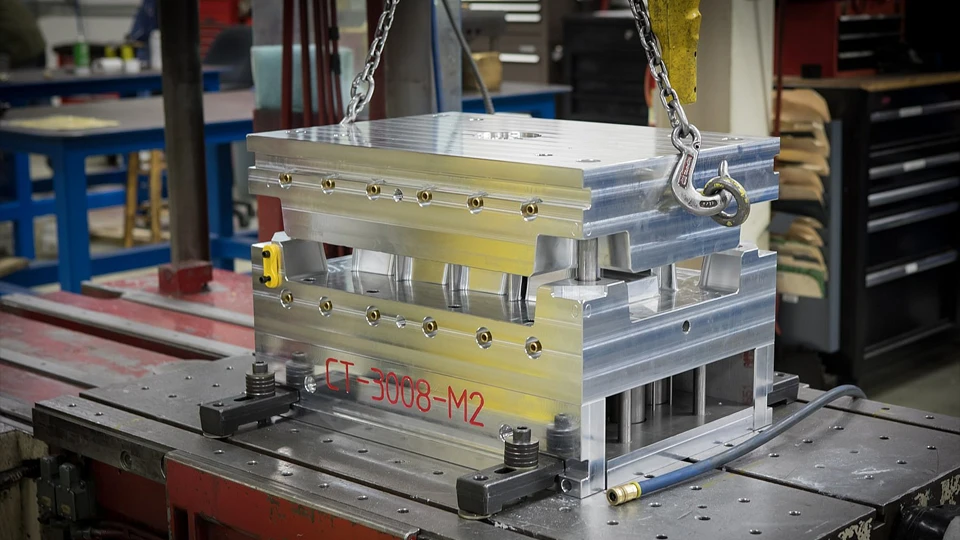
Tool, Die, and Mold Making
Material removal is also the foundation of the tooling industry itself. It is used to produce the hardened components that later shape plastics, sheet metal, and other materials in large-scale manufacturing.
- Common components: Plastic injection molds, stamping dies, forging dies, and extrusion profiles.
- Process focus: High rigidity and surface accuracy. Machining heavy tool steel blocks requires robust machine structures and stable worktables that can absorb cutting forces while producing complex cavities and detailed profiles.
General Metalworking and Job Shops
Unlike highly specialized sectors, general metalworking facilities handle a wide range of everyday industrial needs. Material removal provides the flexibility needed to produce custom parts, repair machinery, and support low-to-medium volume production.
- Common components: Custom brackets, machine frames, replacement parts, industrial fasteners, and prototype components.
- Process focus: Versatility and quick setup. General machining often relies on flexible CNC equipment and standard cutting tools that can adapt quickly to different materials and part geometries without dedicated tooling.
Challenges and Limitations of Material Removal
Material removal is highly effective, but it is not without trade-offs. Every removal process involves limitations that affect cost, efficiency, tool condition, and final part quality. Understanding these limits helps explain why machining decisions must always balance performance with practicality.
Tool Wear
Cutting tools do not last forever. As material is removed, the tool edge gradually wears down due to friction, heat, and repeated contact with the workpiece. This wear reduces cutting performance and can eventually lead to poor accuracy or tool failure. In practice, tool wear is one of the most common limits in material removal. Even a stable process will become less reliable if the tool is not replaced or monitored in time.
Heat Generation
Material removal naturally creates heat, especially when cutting speed or friction is high. Excessive heat can damage the tool, affect surface quality, and in some cases alter the condition of the workpiece surface. This is why heat control is so important in machining. Without proper management, higher removal efficiency may come at the cost of lower process stability.
Material Waste
Unlike forming processes, material removal works by taking material away and discarding the excess. In many operations, this means chips, abrasive debris, or other waste byproducts are unavoidable. For some parts, this is not a major concern. But for expensive metals or high-volume production, waste can become an important cost issue. The more excess stock that must be removed, the less efficient the process becomes from a material usage standpoint.
Surface Damage Risks
Material removal is intended to improve part shape and quality, but poor process control can do the opposite. Too much heat, unstable cutting, excessive force, or a worn tool may leave burrs, tool marks, burns, or micro-cracks. This risk is especially important when the part requires high precision or good surface integrity. A part may appear finished in shape, yet still fail to meet quality standards because of hidden or visible surface damage.
Process Cost and Energy Use
Material removal often requires machine time, cutting tools, coolant, maintenance, and electrical power. As process complexity increases, the total cost of producing the part usually rises as well. Energy use is another practical limitation. High-speed or high-load machining can remove stock efficiently, but it may also consume more power and increase operating costs. For that reason, material removal must be judged not only by technical capability, but also by economic efficiency.
Conclusion
Material removal remains one of the most essential manufacturing processes in modern industry because it connects design intent with real part production. From its definition and major process types to its industrial applications, influencing factors, and practical limitations, this article shows that material removal is far more than simply cutting away excess stock. It is a controlled manufacturing approach that determines how accurately, efficiently, and reliably a part can be produced in real-world machining environments.
For manufacturers seeking that level of control in daily production, machine capability becomes just as important as process knowledge. In this context, Rosnok stands out as a CNC machine manufacturer focused on practical machining performance, precision, and long-term production stability. Through its range of CNC lathes, milling machines, pipe thread lathes, and other metalworking equipment, Rosnok supports the material removal needs of modern industries with solutions designed for accuracy, efficiency, and dependable operation.