Blog

Explore the latest in CNC machining with practical maintenance tips, component breakdowns, buyer’s guides, and industry insights. Each article is designed to help you understand machine tools deeply and choose the right solutions for your production line.

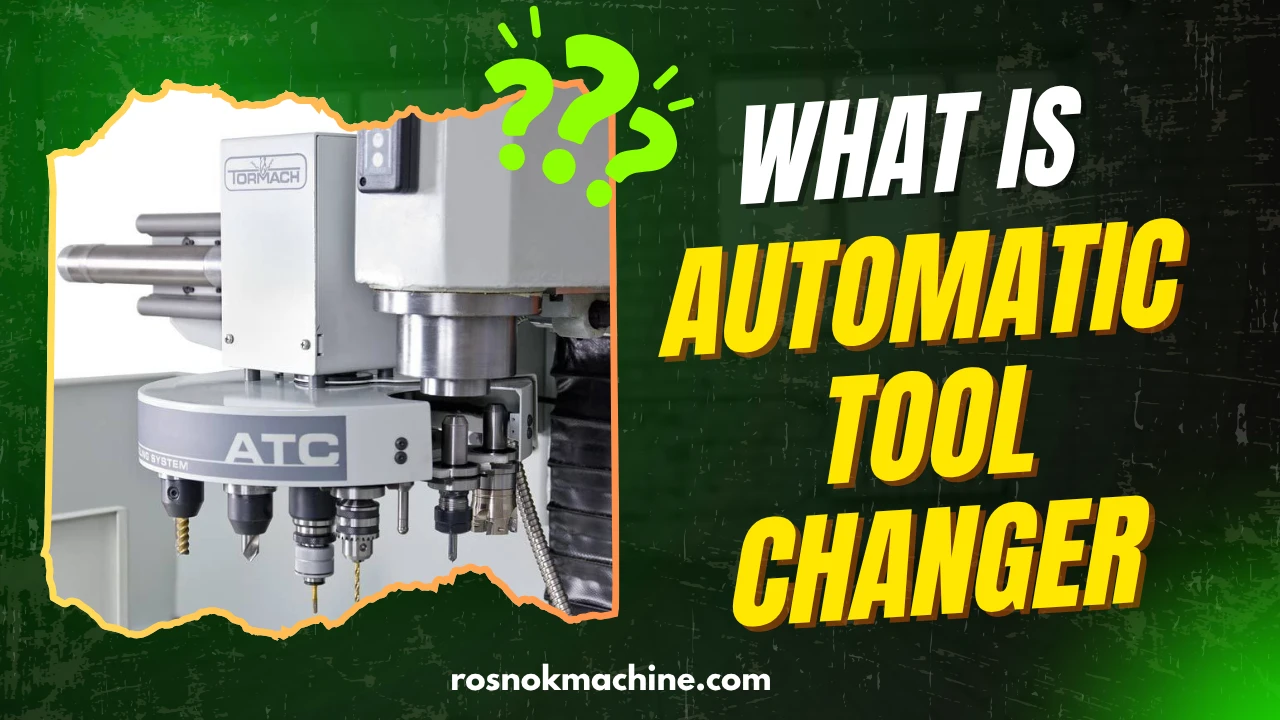
What Is an Automatic Tool Changer (ATC) and How It Works

What Is an Automatic Tool Changer (ATC) and How It Works?

This article explains what an Automatic Tool Changer (ATC) is, how it works, and why it matters in CNC machining. I cover key components, types (disc, chain, drum/arm), operation steps, maintenance, guidance for choosing an ATC when buying a CNC machine, and future trends—helping engineers, buyers, and enthusiasts assess ATC benefits and ROI.

Read More »
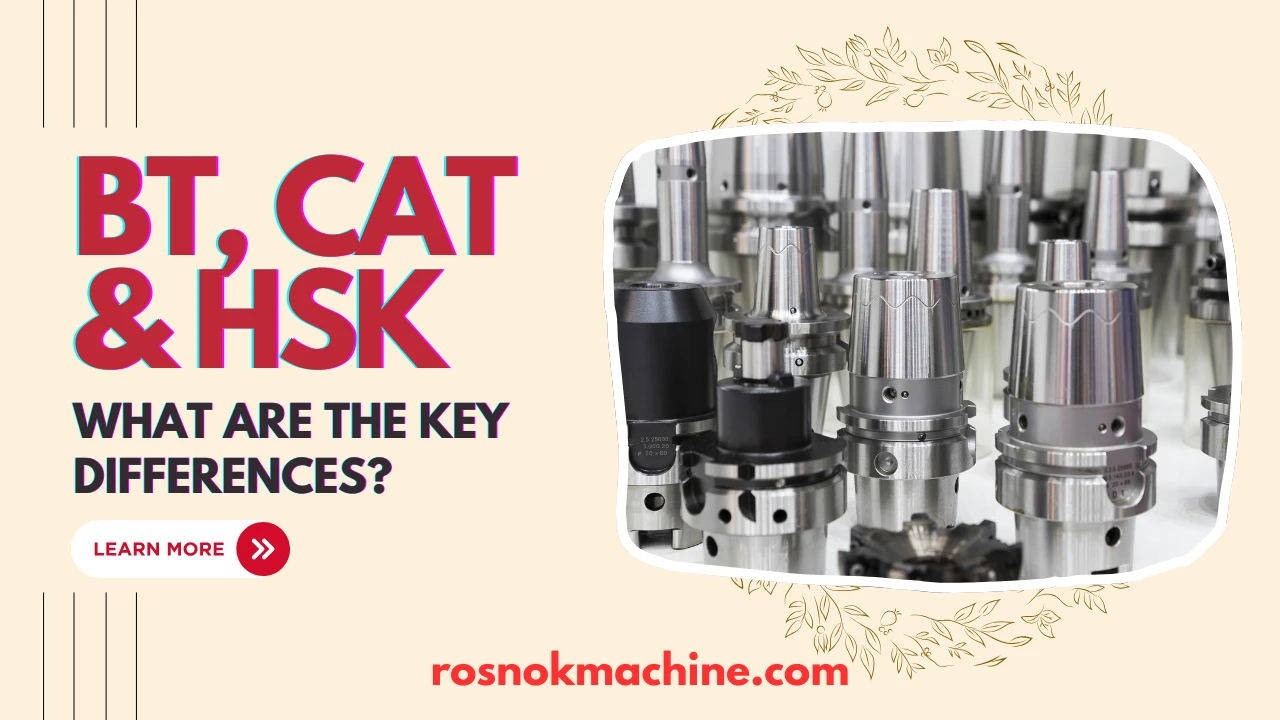
BT, CAT & HSK Tool Holders What Are the Key Differences

BT, CAT & HSK Tool Holders: What Are the Key Differences?

This article explores the differences among BT, CAT, and HSK tool holders, highlighting how design details, performance trade-offs, and regional preferences influence machining results. From balance and rigidity to precision at speed, it provides a clear comparison that helps engineers and buyers understand where each standard excels.

Read More »
What Is Through-Spindle Coolant (TSC) and Why It Matters

What Is Through-Spindle Coolant (TSC) and Why It Matters?

This article explores the role of Through-Spindle Coolant (TSC) in CNC machining, outlining how it functions inside the machine, its advantages for tool life, accuracy, chip evacuation, and productivity, as well as its limitations, practical maintenance considerations, and the technology trends that will shape its future role.

Read More »
FANUC vs Siemens vs Mitsubishi Which CNC Control Wins

FANUC vs Siemens vs Mitsubishi: Which CNC Control Wins?

Compare FANUC, Siemens and Mitsubishi CNC controllers across precision, uptime, usability, compatibility, cost and support to help manufacturers choose the right system. I explain where each excels. The right CNC controller is not about the brand itself, but about finding the one that keeps your production running smoothly and profitably.

Read More »
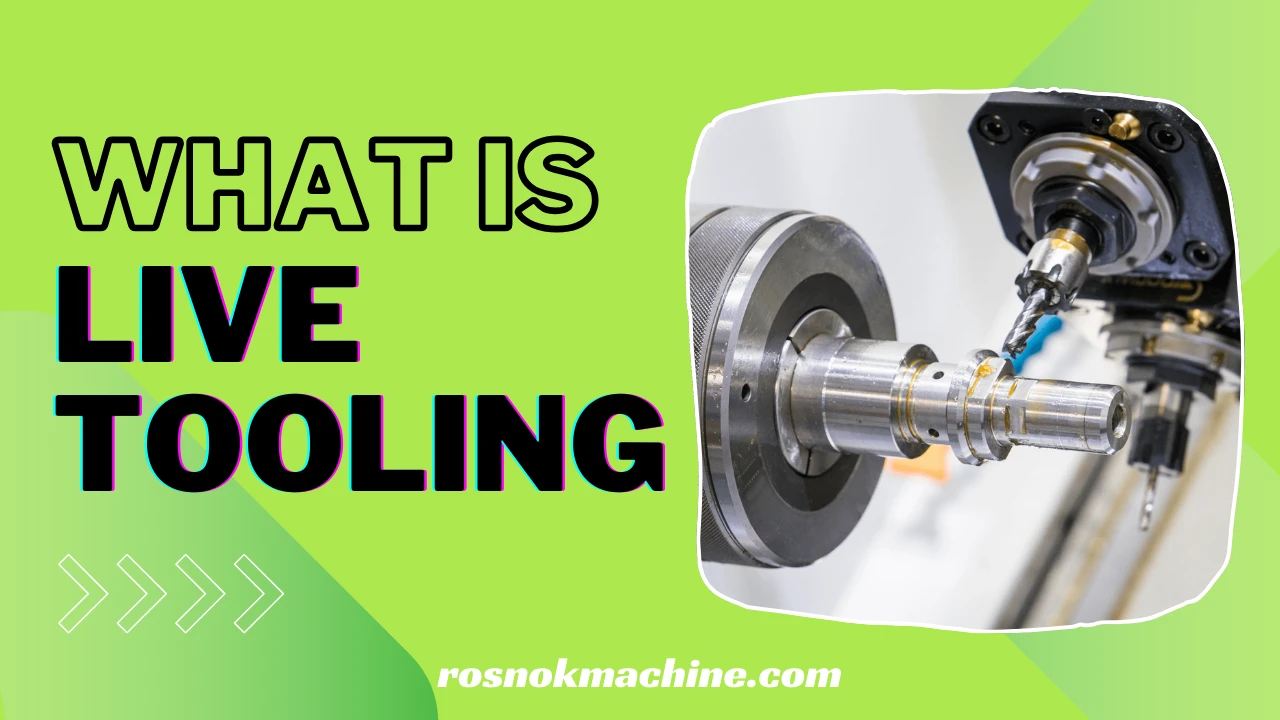
What Is Live Tooling and Why It Matters in CNC Lathes

What Is Live Tooling and Why It Matters in CNC Lathes

This article explains what live tooling is, how it works inside CNC lathes, and why it matters for modern machining. It covers key benefits, typical applications across industries, setup and tool holder choices, maintenance tips, and ROI factors—giving manufacturers a clear guide to evaluate and apply live tooling effectively.

Read More »
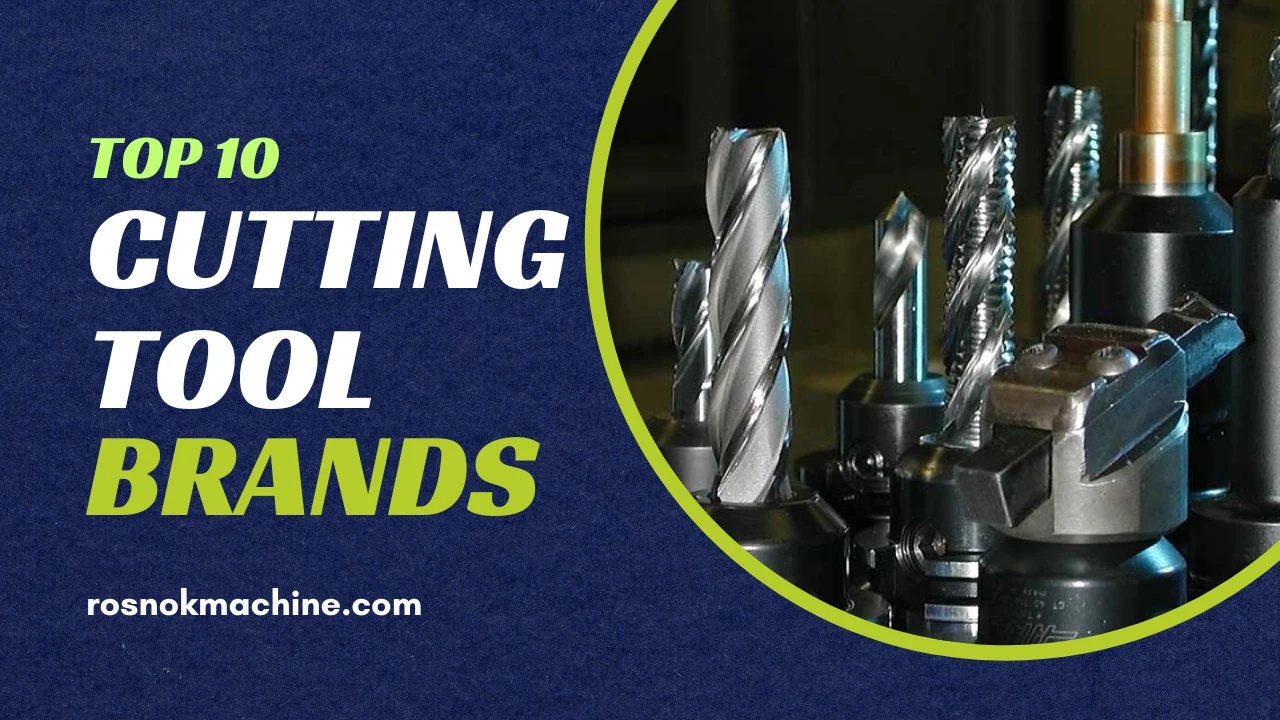
Top 10 Cutting Tool Brands in CNC Machining ROSNOK

Top 10 Cutting Tool Brands in CNC Machining

In CNC machining, the right cutting tool brand defines predictable results. This guide presents the top 10 global manufacturers, their strengths, and how coatings, geometries, and product portfolios shape real-world performance. By comparing options, shops can select tools that meet production goals and deliver consistent, high-quality performance.

Read More »
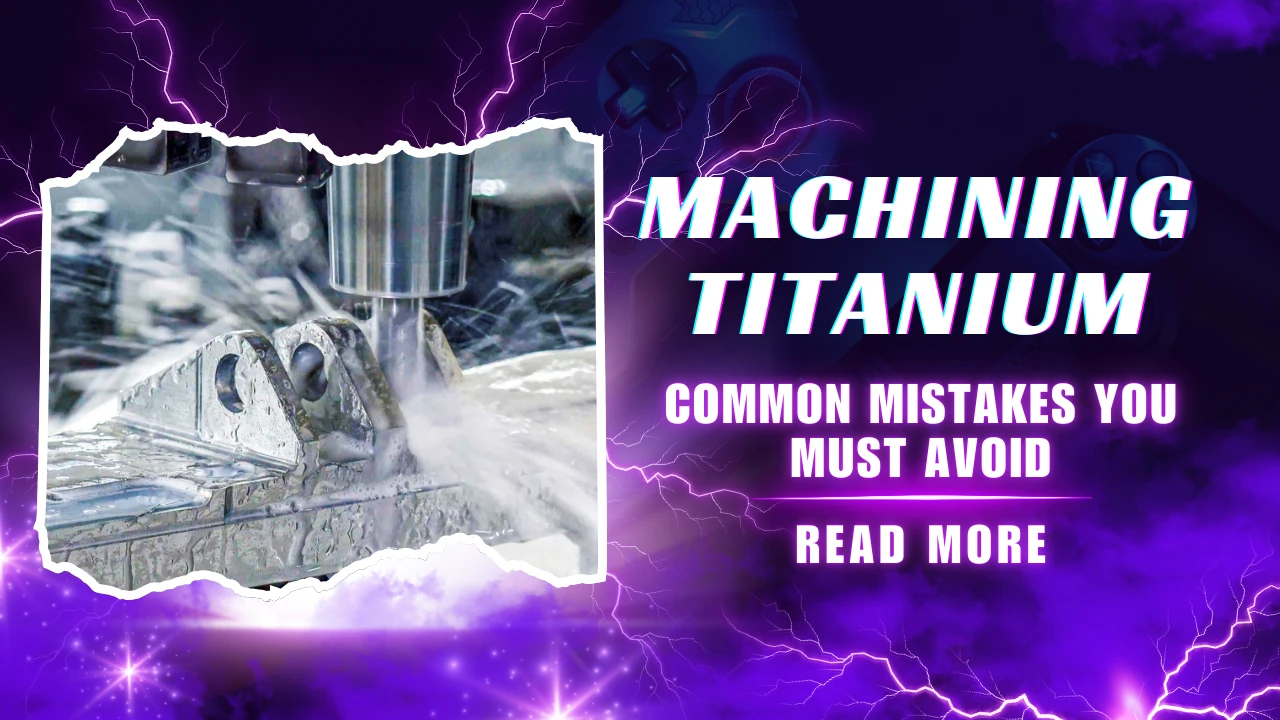
Machining Titanium Common Mistakes You Must Avoid

Machining Titanium: Common Mistakes You Must Avoid

Machining titanium is challenging due to high cutting forces, heat buildup, and strict tolerances. This article outlines why titanium is difficult to machine, the most common mistakes made in tool selection, parameters, cooling, rigidity, planning, chip control, and monitoring, and provides expert solutions for achieving stable and precise results.

Read More »
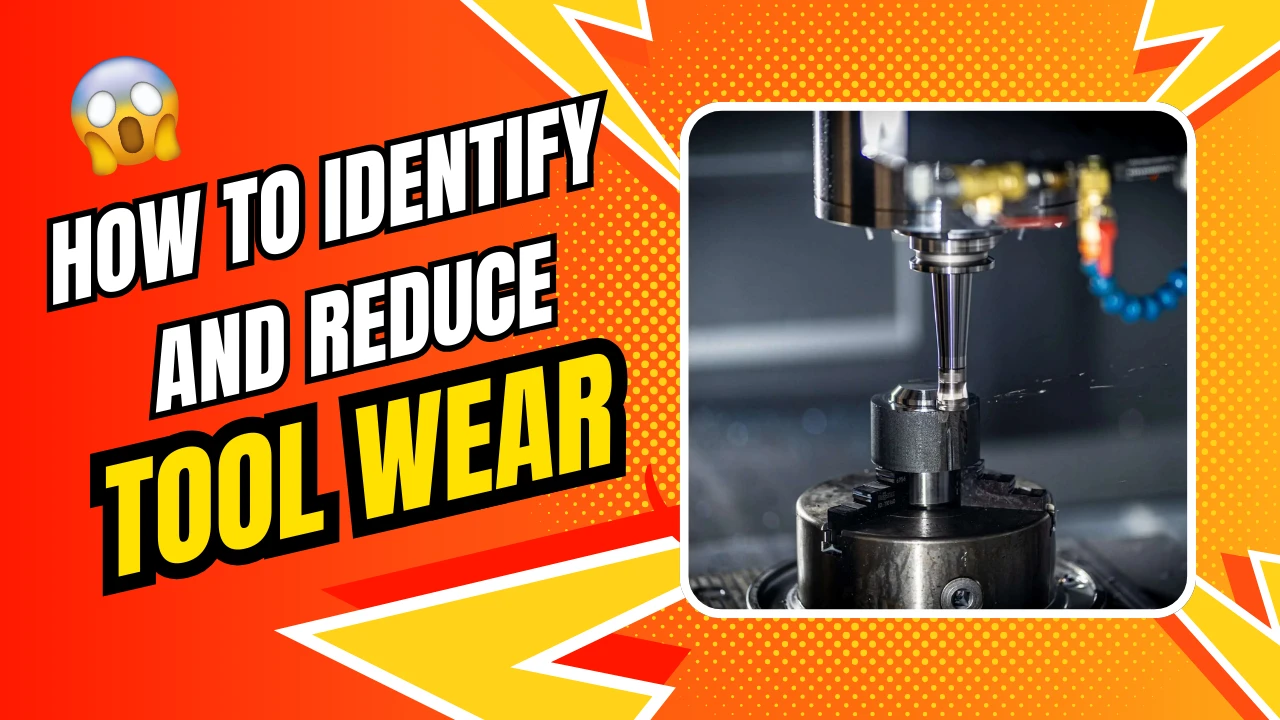
How to Identify and Reduce Tool Wear in CNC Machining

How to Identify and Reduce Tool Wear in CNC Machining

Tool wear shapes the outcome of CNC machining, influencing precision, costs, and efficiency. This article explains what tool wear is, its major types, and how to detect it early. It explores the consequences on quality and downtime, uncovers key causes like cutting conditions and materials, and presents proven methods to control wear for reliable, cost-effective machining.

Read More »
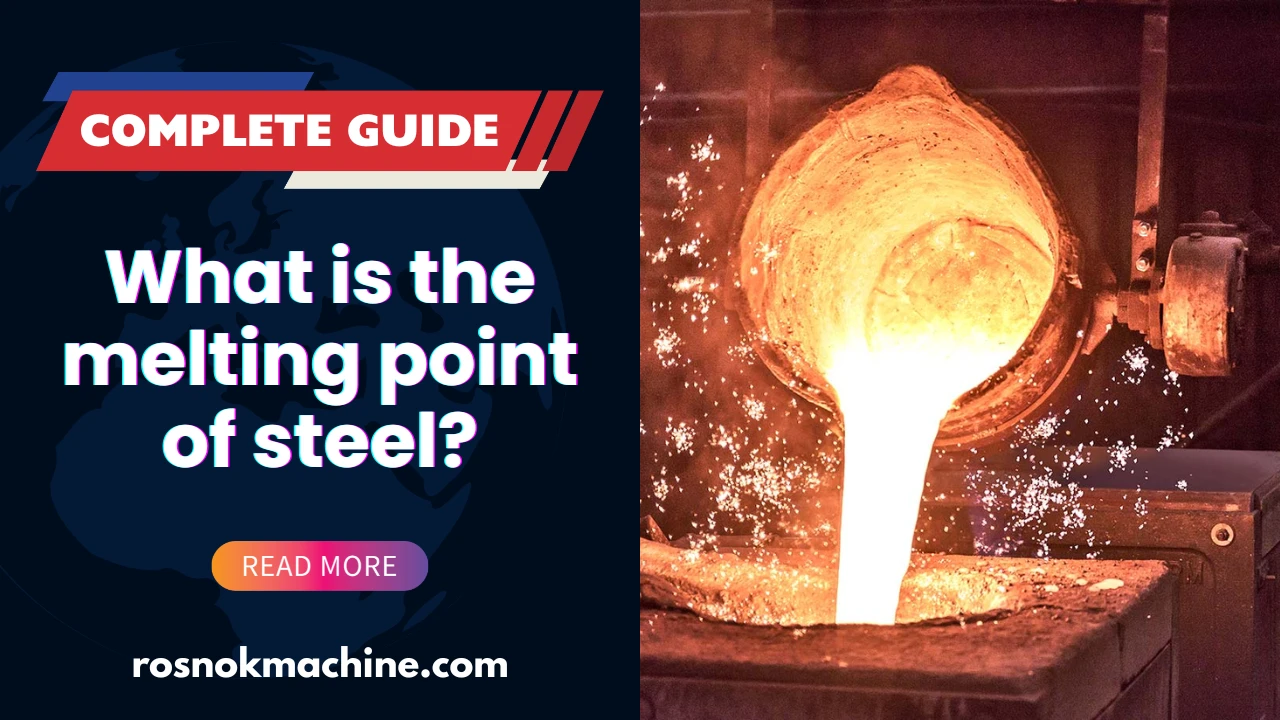
What is the melting point of steel Your Complete Guide

What is the melting point of steel? Your Complete Guide

The melting point of steel is not a single figure but a range shaped by carbon content, alloying elements, and microstructure. This article explains the melting ranges of carbon, stainless, mild, alloy, tool, and high-speed steels, and why these differences matter for welding, casting, and machining.

Read More »
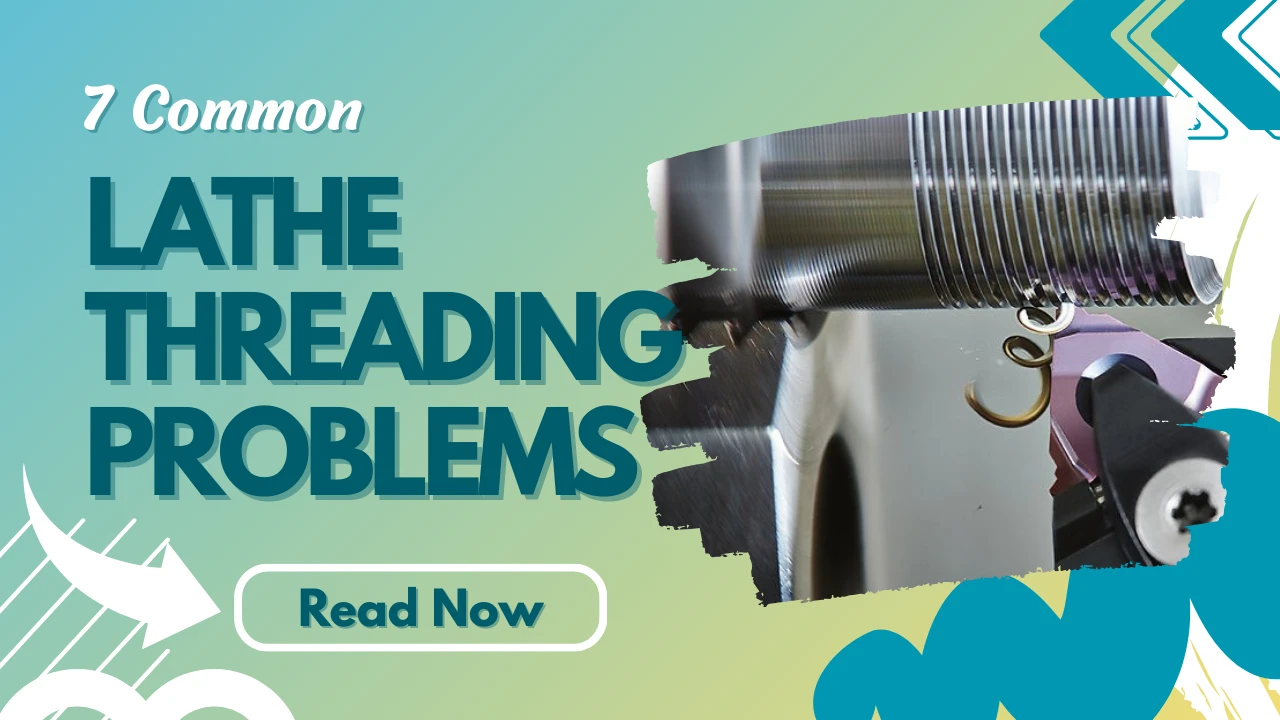
7 Common Lathe Threading Problems and How to Fix Them

7 Common Lathe Threading Problems and How to Fix Them

Lathe threading problems such as pitch errors, depth variation, misalignment, poor surface finish, tool wear, vibration, and lubrication issues often disrupt production. This article explains their causes, offers practical fixes, and shares best practices to prevent recurrence, helping manufacturers achieve consistent, high-quality threads.

Read More »
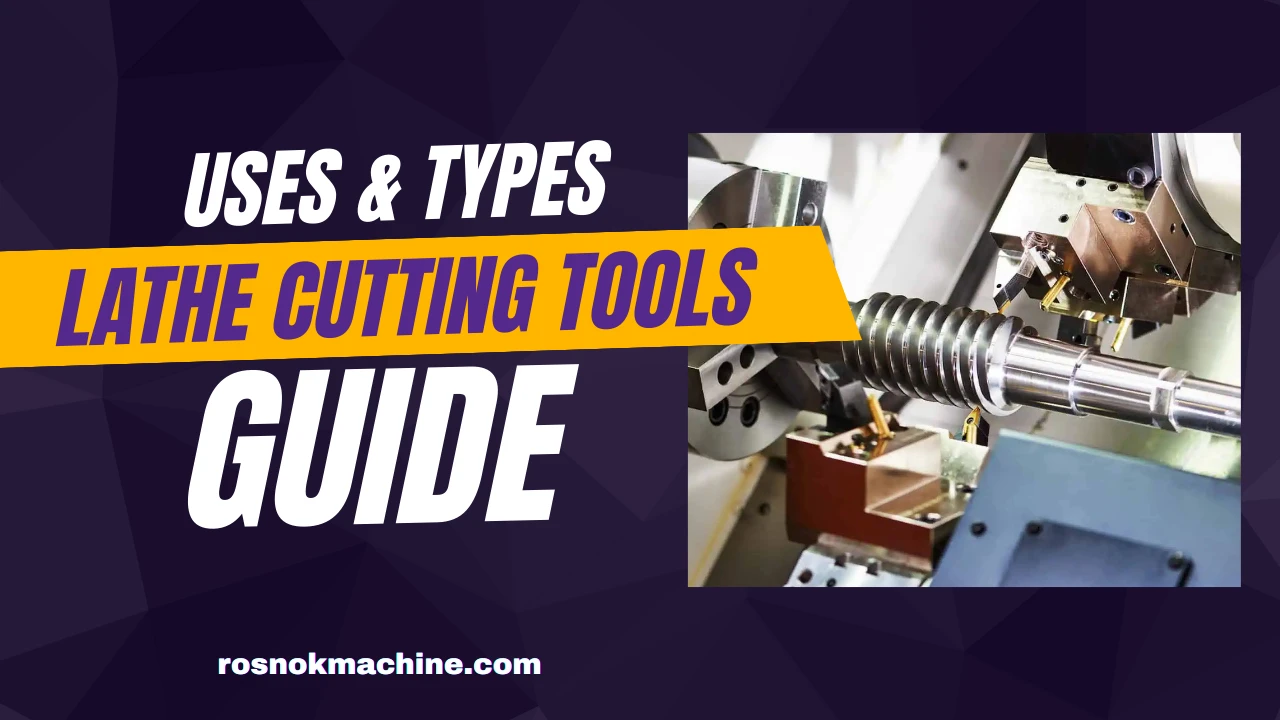
Lathe Cutting Tools Guide Uses, Types, and How to Choose

Lathe Cutting Tools Guide: Uses, Types, and How to Choose?

Lathe cutting tools define the quality, speed, and cost of CNC turning. This guide covers their uses, types, and materials, plus key factors for selecting the right tool. It also highlights maintenance and safety practices that extend tool life, ensuring reliable, efficient machining in modern production.

Read More »
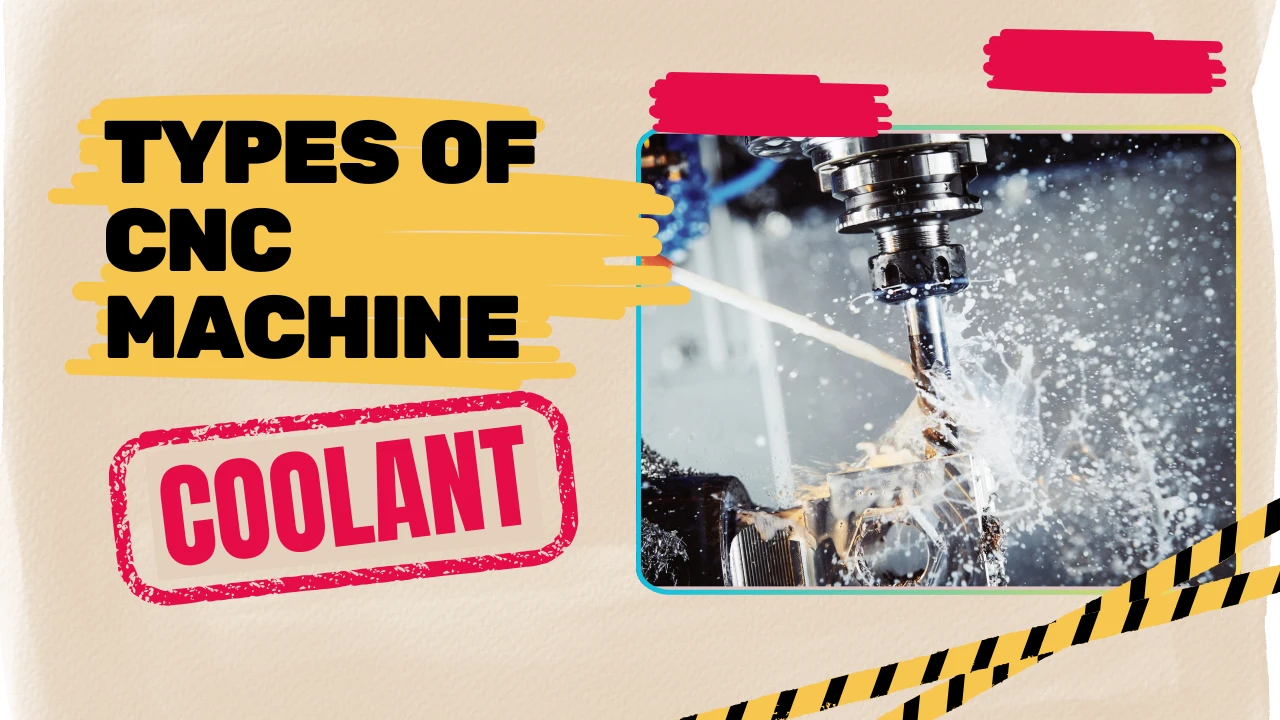
Types of CNC Machine Coolant How to Choose the Right One ROSNOK CNC MACHINE

Types of CNC Machine Coolant: How to Choose the Right One

Choosing the right type of CNC machine coolant is critical for machining performance. This guide explains soluble oils, synthetics, semi-synthetics, and straight oils, with insights on delivery systems, concentration, and material-specific needs. The right coolant improves tool life, surface finish, and cost efficiency in modern CNC machining.

Read More »
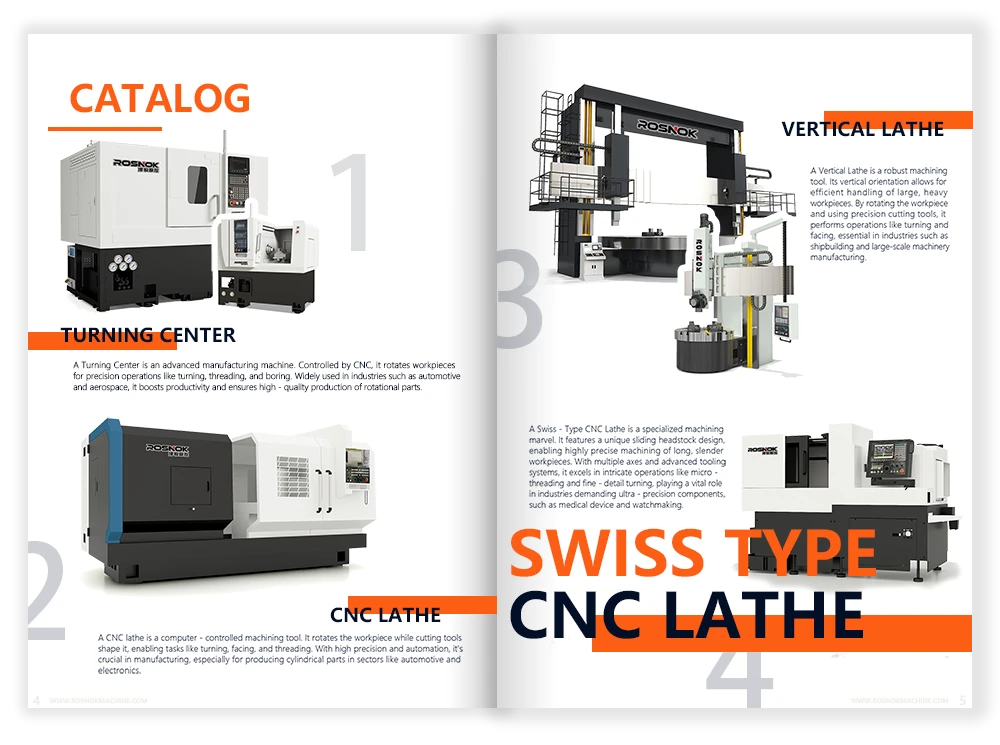
ROSNOK CNC Machine Product Catalog Listing

Get Custom CNC Machine Solutions

Fill out the form below, and our engineers will contact you within 12 hours to provide a tailored CNC Machine Solution for your needs.