Lathe spindle bore is one of the most important yet often misunderstood specifications in CNC machining. This guide explains what the spindle bore is, how it determines the size of material a lathe can accommodate, and why it plays a critical role in real-world turning operations. In many industrial settings, the wrong spindle bore size has led to limited part capacity, reduced efficiency, or production mismatches. By the end of this article, you will clearly understand what a lathe spindle bore is, why it matters, and how to choose the right size for your specific machining needs.
What Is Spindle Bore on a Lathe?
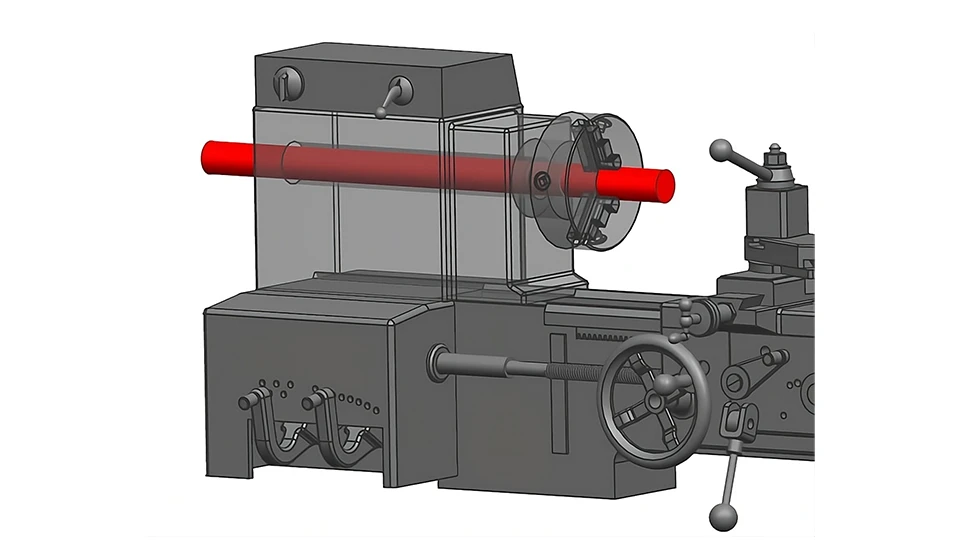
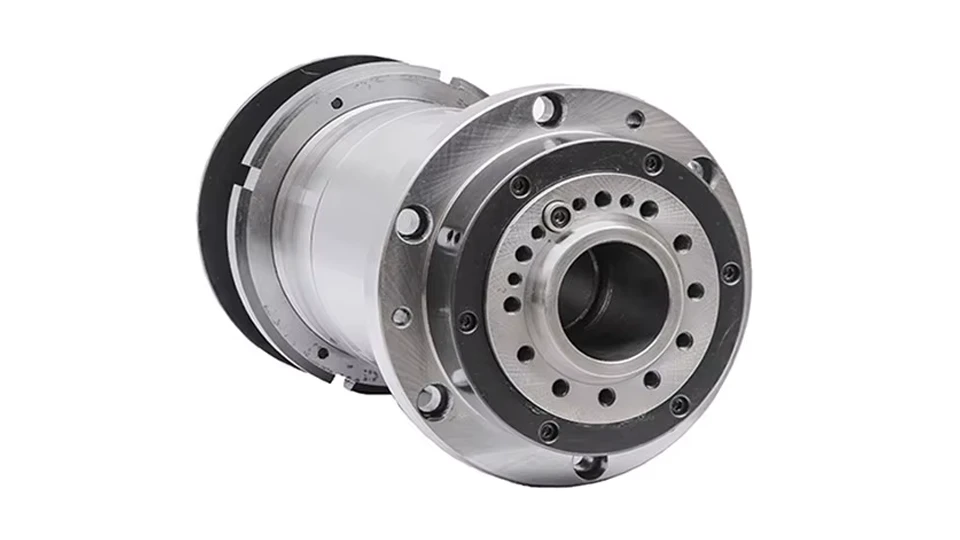
The lathe spindle bore is the internal cylindrical passage that runs through the main spindle of a lathe. It allows raw materials—such as metal bars, rods, or pipes—to pass through the spindle from the back side, making it possible to machine longer or larger workpieces efficiently. Rather than being a standalone component, the spindle bore is a built-in design feature of the lathe spindle itself, and its size directly determines the maximum diameter of material that can be fed through the lathe during operations.
Importantly, the spindle bore is not a separate part or an optional accessory. It is an integral design feature of the spindle body itself. When professionals refer to the spindle bore in a lathe, they are describing this hollow channel that enables efficient handling of long materials—without needing to cut them down beforehand.
The primary function of the spindle bore is to expand the lathe’s capacity for through-hole machining and bar feeding. In operations where continuous stock or pipe must be machined from end to end, the bore becomes a critical factor. Without it, such setups would require external supports or entirely different machines.
Understanding the meaning of the spindle bore is foundational to working with any lathe. It is not just a number on a spec sheet, but a physical constraint that directly affects the type and size of material your machine can handle.
What Does the Spindle Bore Do?
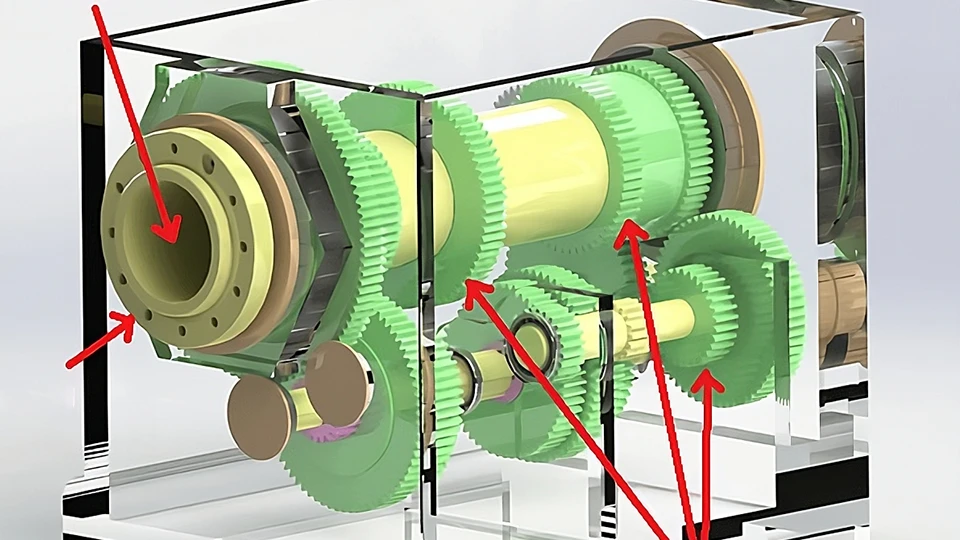
The spindle bore isn’t just a passive feature—it has a direct impact on what a lathe can do. From enabling bar feeding to making long-part machining possible, the bore plays a central role in how flexible and automated a turning setup can be. The sections below break down its key functions.
Enables Bar Feeding for High-Efficiency Production
The spindle bore allows raw material—typically round bars—to be fed into the lathe from the rear. In automated CNC environments, this setup works with bar feeders to supply continuous stock, enabling the production of multiple parts from a single bar with minimal downtime. The larger the bore, the wider the bar you can feed, making this feature essential in high-efficiency, unattended machining.
Allows Through-Hole Machining of Long Parts
For long shafts, tubes, and pipes, the spindle bore enables machining operations that would otherwise be impossible with front-loading alone. By passing material through the spindle, the lathe can handle workpieces that exceed its nominal swing or bed length—making the machine much more versatile without requiring custom fixturing or tailstock extension.
How Spindle Bore Affects Lathe Applications
The spindle bore directly determines the range of materials and part sizes a lathe can handle. A larger bore expands your machining options, while a smaller bore limits both the type and size of stock you can load. This single specification has a wide impact across practical applications in industrial machining.
In bar machining, for instance, the bore must be wide enough to allow raw material to pass through the spindle for continuous feeding. If the bore is too narrow, larger diameter stock will require additional cutting or may not be machinable at all on that lathe. This reduces efficiency and increases waste.
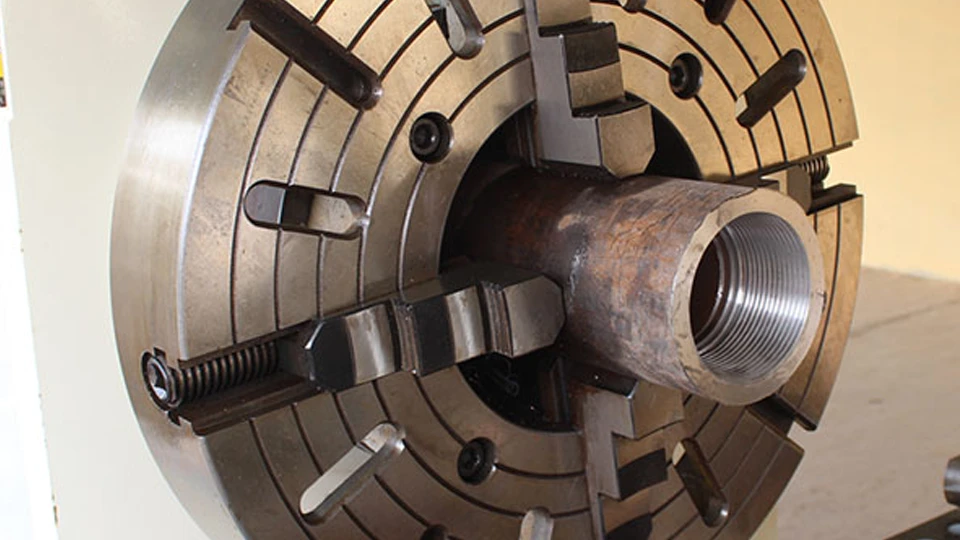
In pipe threading or shaft production, where long and hollow workpieces are common, a sufficiently large spindle bore is critical. It allows the workpiece to pass through the spindle and rotate concentrically with minimal vibration. Without this ability, operators may need external supports or custom jigs, complicating setup and reducing productivity.
Applications in automotive, oil and gas, and heavy machinery often require large bore machines—sometimes over 500 mm—to handle structural tubing, drill collars, or drive shafts. Meanwhile, Swiss-type lathes or precision lathes for electronics or medical components may work with small bores that prioritize speed and precision over diameter capacity.
The spindle bore size also affects automation compatibility. Machines integrated with bar feeders, robotic loaders, or high-volume part conveyors must have a bore size that aligns with the size of the material being handled. Mismatch here can prevent automation from working at all.
Common Spindle Bore Sizes in CNC Lathes
CNC lathes are available in a wide range of spindle bore sizes, each corresponding to a different class of machining tasks. While the spindle bore is often listed as a single number on a specification sheet, it follows patterns based on the lathe’s size, chuck type, and intended application.
The most common spindle bore sizes fall within these categories:
• Small lathes and Swiss-type CNC lathes
These machines are used for high-precision work, often in electronics or medical device production. Typical spindle bore diameters range from 20 mm to 35 mm, allowing for small-diameter bar stock and tight tolerance control.
• Standard slant-bed CNC lathes
Widely used in automotive parts production and general job shop machining, these lathes typically feature spindle bores of 52 mm, 65 mm, or 80 mm. These sizes are well-suited for bar feeding operations and standard 6″ to 10″ hydraulic chucks.
- 52 mm bore → matches 6″ or 8″ chuck
- 80 mm bore → matches 10″ or 12″ chuck
These configurations strike a balance between versatility and rigidity.
• Heavy-duty and oilfield lathes
Used for pipe threading, shaft turning, and energy industry applications, these machines feature large spindle bores, often ranging from 130 mm up to 500+ mm.
- Pipe threading lathes commonly feature 180 mm, 230 mm, or 280 mm bores
- Specialized large-bore lathes exceed 300 mm and are custom-built for massive tubular workpieces
Such machines are designed to accommodate long, hollow components and support bar-through operations for heavy stock.
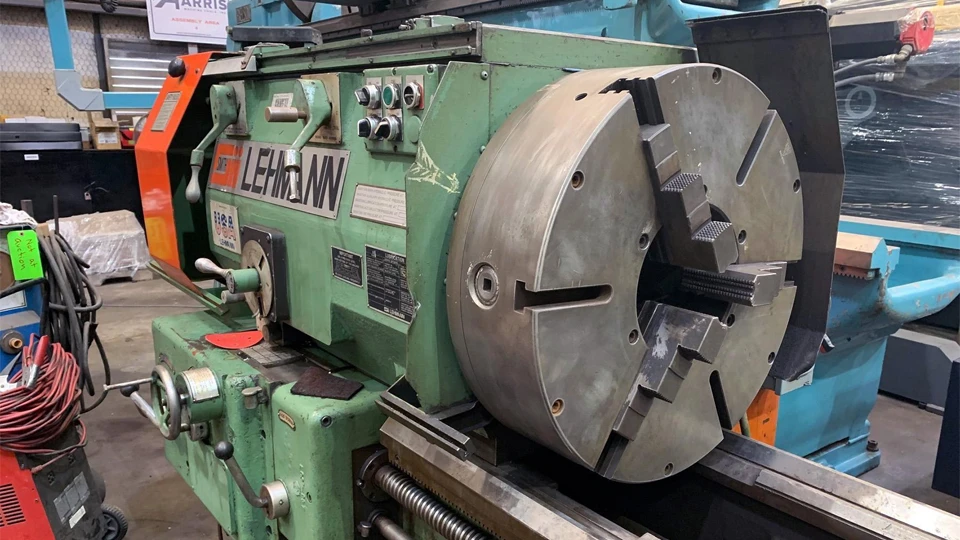
It’s worth noting that chuck size and spindle bore are often correlated. However, a larger chuck doesn’t always imply a wider bore—some machines are configured for larger chucks but still have a moderate bore for rigidity reasons. Always consult the full specification sheet, not just the chuck diameter.
Manufacturers may also round bore sizes to fit standard chuck models. For example, a bore of 82 mm might be labeled as 80 mm for simplicity in matching with an 8″ or 10″ chuck system.
What Size Spindle Bore Do You Need?
Selecting the right spindle bore size is all about aligning the machine’s capabilities with your material dimensions, production workflow, and future flexibility. While it may seem like a simple number on a spec sheet, the spindle bore can be the difference between efficient operations and constant rework—or even machine replacement.
Here’s how to think through the decision logically:
1. Match the Bore to Your Maximum Material Diameter
Your spindle bore must be larger than the largest diameter of the bar, pipe, or rod you expect to pass through the spindle. For example, if you commonly machine 65 mm round stock, a 66 mm or 70 mm spindle bore is a safe minimum. Always build in clearance to ensure smooth feeding and avoid jamming.
2. Consider Bar Feeding and Automation
If you plan to use automatic bar feeders or loaders, your bore size directly limits your automation options. Bar feeders typically require 1–2 mm of clearance between the stock and the bore. Undersizing the bore will force you to cut stock into short lengths, interrupting workflow and reducing machine uptime.
3. Think About Workpiece Length
Long components such as shafts, axles, or threaded pipes benefit from a through-spindle setup. A large enough bore allows the material to extend beyond the chuck and into the spindle, eliminating the need for tailstock or external supports. If the part won’t fit through the spindle, setup becomes more complicated and less stable.
4. Don’t Oversize Without a Reason
While a bigger bore increases versatility, it’s not always the best choice. Larger bores can lead to:
- Increased machine cost
- Heavier spindle assemblies
- Reduced rigidity or slower spindle speeds
If you’re working with smaller precision parts, an oversized bore might actually hinder your performance.
5. Plan for Special Jobs and Future Growth
Even if your current production only uses small stock, consider potential future requirements. Quoting new projects, accepting one-off long parts, or shifting to higher-volume bar feeding may require more spindle clearance than your current jobs. Choosing a slightly larger bore can save you from needing a new machine later.
A good rule of thumb: Select a spindle bore based on your maximum expected stock diameter, then round up to the next standard size. This ensures long-term compatibility without over-investing in oversized hardware.

FAQs About Lathe Spindle Bores
Is the spindle bore a separate part I can replace or upgrade?
A: No. The spindle bore is not a separate component—it’s the internal passage machined directly into the main spindle. To change the bore size, you would need to replace the entire spindle assembly, which is complex and costly.
Does a larger spindle bore mean I can handle larger chucks?
A: Not necessarily. While there is often a correlation between chuck size and spindle bore, they serve different purposes. Chuck size affects how large a part you can grip, while the bore size determines what can pass through the spindle. Some machines have large chucks with relatively small bores for rigidity.
Q3: Can I feed hexagonal or square bar stock through the spindle bore?
A: Hexagonal bar stock is commonly used and can be safely fed through the spindle bore, provided the across-flats dimension fits within the bore diameter. However, square or irregular shapes may cause issues like vibration or jamming unless the bore is oversized or specially designed to handle them. Always ensure compatibility with both the bore and the chuck system.
Are all spindle bores standardized across manufacturers?
A: No. While there are common size categories (e.g., 52 mm, 80 mm, 130 mm), the exact bore diameter may vary slightly between brands or models. Always check the specific machine’s technical documentation rather than assume compatibility.
What happens if I choose a bore that’s too small?
A: A too-small bore limits the size of material you can machine through the spindle. This might force you to cut stock down, avoid longer parts, or miss out on automated bar feeding. In some cases, it can make the machine unusable for certain jobs.
Conclusion
The spindle bore might look like a simple hole through the spindle, but it defines what your lathe can truly achieve. It shapes the limits of your creativity, productivity, and efficiency — whether you’re turning small precision parts or threading massive steel pipes. Understanding how spindle bore size affects material capacity, automation, and machining range isn’t just technical knowledge — it’s the foundation of smarter, more confident equipment decisions.
In the modern machining world, precision and practicality go hand in hand. That’s why manufacturers who understand spindle bore selection build machines that work harder, last longer, and adapt faster to changing production needs. At Rosnok, every CNC lathe and machining center is designed with this philosophy — engineered for optimal spindle performance, consistent accuracy, and the flexibility required by today’s metalworking professionals. The result isn’t just a machine — it’s a tool built around real-world machining logic.