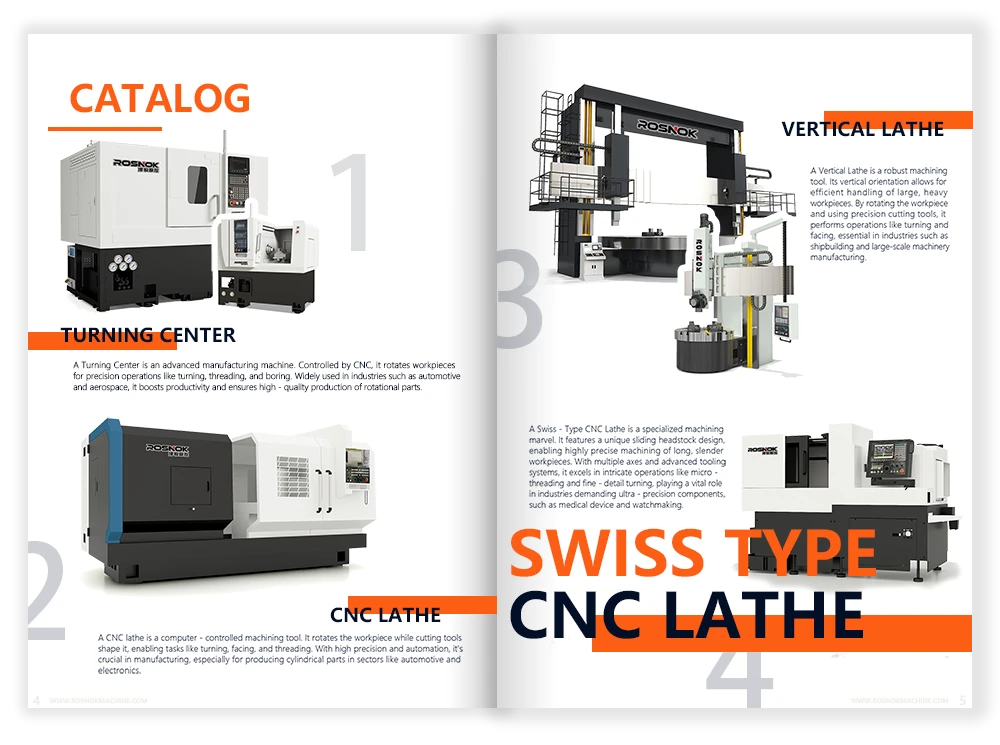
In real CNC production, spindle speed affects much more than machine movement. It influences cutting stability, surface finish, tool wear, heat generation, and overall machining efficiency. Whether the job involves milling aluminum, turning steel, or finishing precision parts, the right spindle speed helps improve consistency and reduce unnecessary costs, while the wrong setting can quickly lead to poor results.
This practical guide explains what spindle speed means, why it matters in CNC machining, how it affects results, and what factors should be considered when selecting it correctly.
What Is Spindle Speed in CNC Machining?
At its most fundamental level, spindle speed is the exact rotational frequency of the machine’s spindle. It measures how many full 360-degree rotations the spindle completes in exactly sixty seconds, universally expressed as Revolutions Per Minute (RPM).
Depending on the type of CNC equipment, the spindle drives different components:
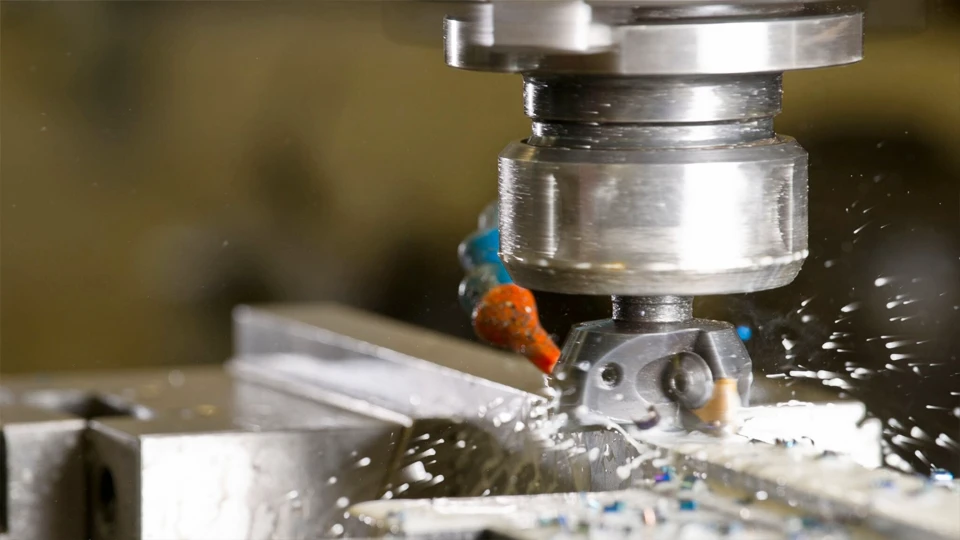
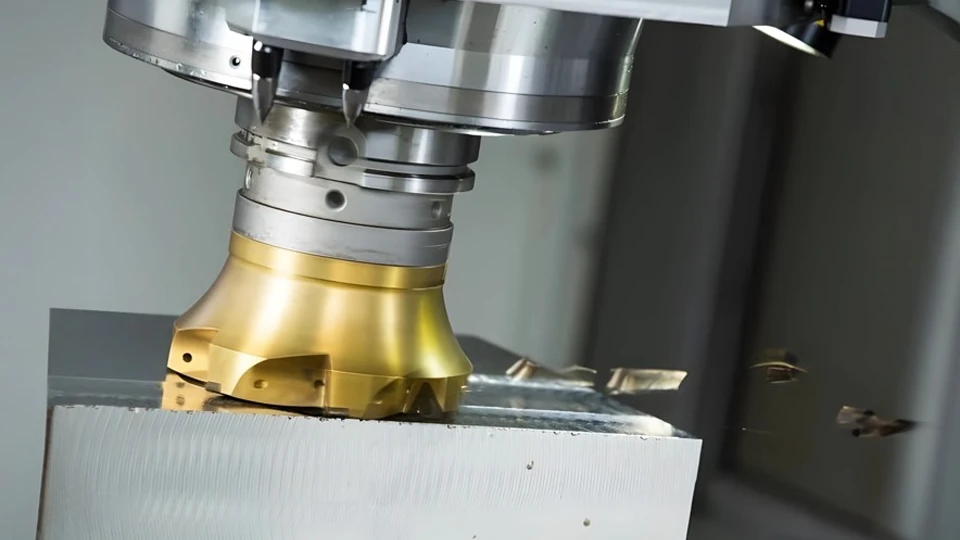
- In CNC Milling: The spindle clamps and rotates the cutting tool against a stationary workpiece.
- In CNC Turning (Lathes): The spindle holds and rotates the workpiece itself against a stationary cutting tool.
Why Spindle Speed Matters in CNC Machining
In CNC machining, spindle speed is the primary engine of the material removal process. It is not just about how fast a part can be finished; it fundamentally dictates the physical and thermal dynamics at the exact point where the cutting tool meets the workpiece.
When the spindle rotates, it generates the cutting force required to shear the material. The speed of this rotation directly influences cutting stability, cutting load, vibration tendency, machining efficiency, tool wear, surface quality, and heat control. If the spindle speed is perfectly tuned, the tool glides through the material, chip evacuation is smooth, and heat is carried away efficiently by the chips. However, any deviation from the optimal range disrupts this delicate engineering balance.
To understand why this parameter is so critical, it helps to look at the physical consequences of setting the spindle speed incorrectly.
What Happens When Spindle Speed Is Too High?
The most immediate consequence of excessive spindle speed is thermal overload. As RPM increases beyond the optimal range, the friction between the tool and the workpiece generates heat much faster than it can be dissipated. This rapid temperature spike breaks down the tool coating, accelerates flank wear, and can cause the cutting edge to chip or fail catastrophically. Additionally, if the speed exceeds the machine’s dynamic stiffness limits, it introduces severe high-frequency vibrations, leading to chatter marks on the workpiece and potential damage to the spindle bearings.
What Happens When Spindle Speed Is Too Low?
Running the spindle too slowly might seem like a safe, conservative approach, but it is equally destructive. At insufficient speeds, the cutting tool struggles to shear the material cleanly. Instead of cutting, it begins to rub or tear the material, which significantly increases the mechanical cutting load on the tool. This excessive mechanical force can lead to tool deflection or sudden breakage. A low spindle speed also drastically increases the likelihood of built-up edge, a condition where workpiece material welds itself to the cutting edge, immediately ruining the surface finish and altering the tool geometry. Furthermore, operating below the optimal speed needlessly reduces the material removal rate, severely impacting overall machining efficiency.
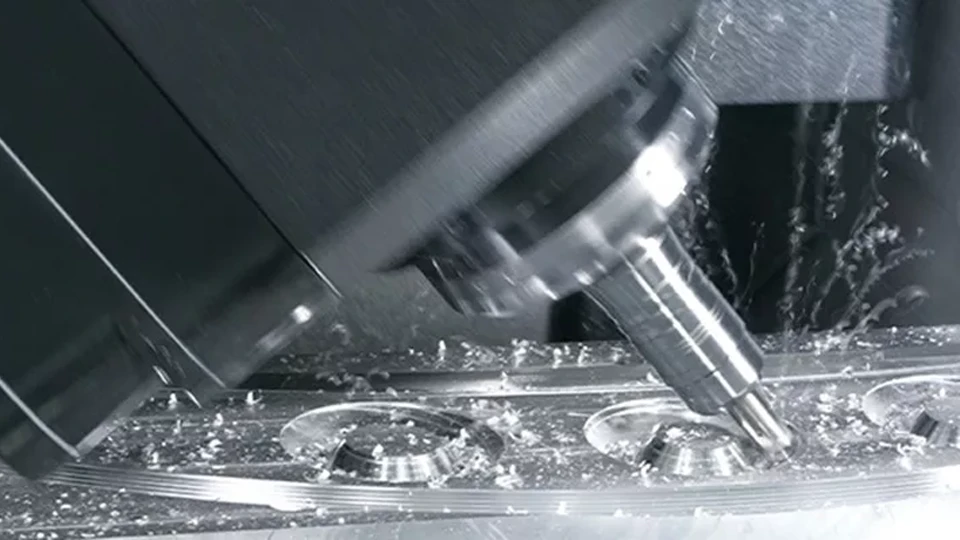
Spindle Speed and Surface Finish
Surface finish is one of the clearest signs of whether spindle speed is properly set. Even when the tool, material, and setup are acceptable, an unsuitable spindle speed can still leave visible problems on the machined surface.
When spindle speed is within a suitable range, the cutting action is more controlled and consistent. The tool engages the material more smoothly, which helps produce a cleaner surface with more uniform machining marks. This is especially important in finishing operations, where visual quality and dimensional consistency both matter.
If spindle speed is too high, surface quality can become unstable. Excess heat and vibration may leave chatter marks, irregular tool marks, or a burned-looking surface on some materials. If spindle speed is too low, the cut may become less clean, and the surface may show tearing, roughness, or built-up edge effects instead of a smooth finish.
Spindle Speed and Tool Life
Tool life is also closely related to spindle speed, because spindle speed directly affects heat generation and cutting stress at the tool edge. A tool may fail from excessive speed, but it can also wear badly when speed is too low for the material and operation.
When spindle speed is too high, the cutting edge is exposed to more heat in a shorter time. This can accelerate flank wear, damage the tool coating, cause thermal softening at the edge, and increase the risk of chipping. In harder materials or unstable setups, this effect becomes more severe.
When spindle speed is too low, the tool may not cut efficiently. Instead of shearing the material cleanly, it may rub, drag, or form built-up edge. That increases mechanical load on the tool and can shorten tool life in a different way.
For this reason, tool life is not simply improved by lowering speed or increasing speed. The goal is to keep spindle speed within a suitable range for the tool material, workpiece material, and the specific cutting operation, whether roughing or finishing.
What Factors Affect the Right Spindle Speed
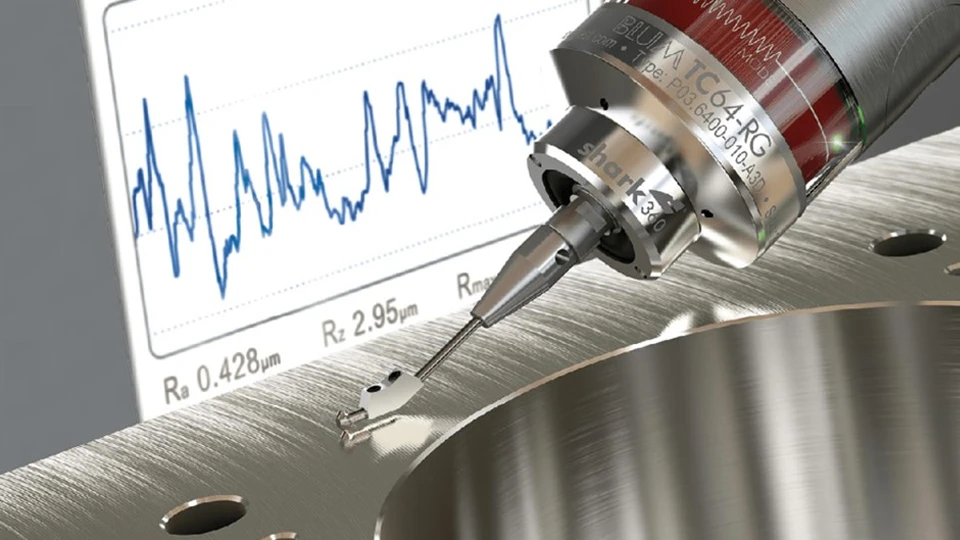
The right spindle speed is never determined by one variable alone. In CNC machining, it is the result of several conditions working together, including the material being cut, the tool being used, the type of operation, and the machine’s ability to remain stable under load.
Workpiece Material
The material being machined is the primary factor in determining RPM. Different materials have different levels of hardness, thermal conductivity, and chemical stability. For example, soft materials like aluminum allow for very high spindle speeds, while tough or heat-sensitive materials like stainless steel, titanium, or hardened carbon steel require much lower speeds to prevent rapid tool failure.
Tool Material
The material of the cutting tool itself dictates how much heat and friction it can endure. High-Speed Steel (HSS) tools are limited to lower spindle speeds because they lose their hardness at high temperatures. In contrast, Carbide tools can handle significantly higher RPMs, and tools with specialized coatings (like TiAlN) are engineered to operate at even higher speeds by providing better thermal protection.
Tool Diameter
Tool diameter has a mathematical relationship with spindle speed. A larger tool has a greater circumference, meaning its outer edge travels a longer distance in a single rotation than a smaller tool. To maintain a consistent cutting speed at the edge, larger tools must run at lower RPMs, while smaller tools require much higher RPMs to achieve the same cutting effect.
Cutting Operation
The nature of the task determines the speed strategy. Roughing operations, which focus on heavy material removal, often use more conservative spindle speeds to manage high cutting forces. Finishing operations, however, usually employ higher spindle speeds to achieve better surface quality. Specialized tasks like drilling or threading also have specific speed requirements based on the tool’s geometry and chip evacuation needs.
Machine Rigidity
The stability of the machine tool limits the usable spindle speed. Regardless of what the tool or material can handle, the machine must be able to support the rotation without excessive vibration. If the spindle bearings, the tool holder, or the overall machine structure lack sufficient rigidity, high speeds will trigger chatter, leading to poor accuracy and potential machine damage.
Coolant Condition
Coolant plays a vital role in managing the heat generated by the spindle’s rotation. Effective cooling and lubrication allow for higher spindle speeds by carrying heat away from the cutting zone. If machining dry or with limited coolant, spindle speed must often be reduced to prevent the tool from overheating and the material from galling.
Required Surface Finish
The final quality requirements of the part influence the speed setting. When a high-precision surface finish is required, engineers often increase the spindle speed within a safe range to ensure clean shearing of the material. If the finish requirement is less critical, speed may be optimized more toward tool life or machine load instead.
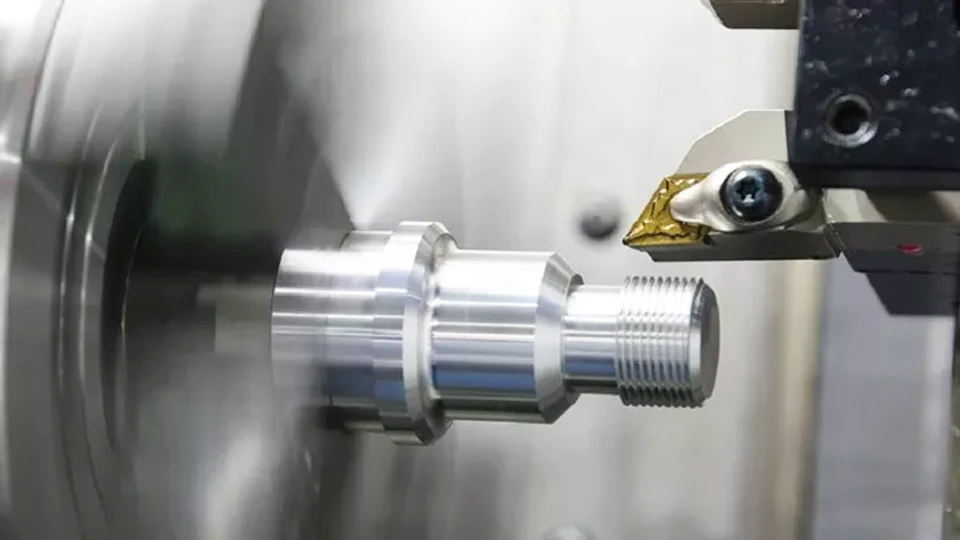
How to Calculate Spindle Speed?
While experience is valuable, calculating spindle speed provides a scientific starting point for any machining project. The goal is to translate the recommended cutting speed of a material into the actual rotational speed (RPM) of your machine’s spindle.
What Cutting Speed Means
Before using the formula, it is essential to understand cutting speed (expressed as Vc in metric or SFM in imperial). Cutting speed is the relative velocity at which the cutting edge of the tool moves across the surface of the workpiece. While RPM measures how fast the spindle rotates, cutting speed measures how much material surface the tool “covers” in a given time. This value is determined primarily by the material being cut and the tool material.
The Basic Formula for Spindle Speed
The formula for spindle speed establishes the relationship between the desired cutting speed and the diameter of the tool (in milling) or the workpiece (in turning). In simple terms, spindle speed must increase when the diameter becomes smaller and decrease when the diameter becomes larger, so that the cutting edge can maintain the intended surface speed.
Metric and Imperial Units
Because machining standards vary globally, you must use the formula that matches your units of measurement.
Metric System:
When using millimeters (mm) for diameter and meters per minute (m/min) for cutting speed (Vc):
Imperial System:
When using inches (in) for diameter and Surface Feet per Minute (SFM) for cutting speed:
Variable Key:
- N: Spindle Speed (RPM)
- Vc / SFM: Recommended Cutting Speed
- D: Diameter of the tool or workpiece
- π: Approximately 3.14159
Why Tool Diameter Matters
Diameter is the critical constant in the formula. A larger diameter tool has a larger circumference; therefore, one full rotation of a large tool covers much more surface area than a small tool. To maintain the same cutting speed (Vc or SFM) at the cutting edge, a larger tool must rotate at a lower RPM, whereas a smaller tool must rotate significantly faster to achieve the same surface velocity.
Why Calculation Is Only a Starting Point
A calculated RPM is a theoretical value based on ideal conditions. In a real shop environment, this number must be treated as a baseline. Factors such as the actual age of the machine, the specific batch of raw material, and the rigidity of the setup may require you to override the calculated speed. Always be prepared to adjust the RPM based on the real-time feedback of the machine—such as abnormal noise, excessive heat, vibration, or unstable chip formation—once the cut begins.
How to Choose the Right Spindle Speed
Choosing the right spindle speed is a systematic process that moves from theoretical data to real-world adjustment. Relying solely on a single number or a past habit often leads to inefficiency. To find the optimal RPM, follow these practical steps in order.
Identify the Workpiece Material
Everything starts with the material. Before setting the machine, confirm the specific grade of the workpiece (e.g., Aluminum 6061 vs. 7075, or 304 vs. 316 Stainless Steel). Because different materials react differently to heat and friction, this identification sets the boundaries for your cutting speed (Vc or SFM).
Understand the Cutting Operation
Specify whether you are performing roughing, finishing, or a specialized task like drilling. Roughing requires a more conservative spindle speed to handle high material removal rates and heavy loads. Finishing allows for higher RPMs to prioritize surface quality. Matching the speed to the operation ensures the tool is utilized for its intended purpose.
Check Tool Recommendations
Always consult the data sheet provided by the tool manufacturer. These guidelines are based on extensive testing and provide the specific cutting speed range (Vc or SFM) for which the tool’s geometry and coating were designed. This provides the most reliable “starting window” for your calculations.
Calculate a Starting Speed
Using the tool manufacturer’s recommended cutting speed and the actual diameter of your tool or workpiece, apply the spindle speed formula:
This gives you a scientifically grounded RPM to enter into your CNC program, moving away from “guesswork” and toward a data-driven setup.
Match Spindle Speed with Feed Rate
A spindle speed is only effective if it is synchronized with the feed rate. You must calculate the feed speed based on the RPM and the required “chip load” (feed per tooth). If you increase the spindle speed, you must generally increase the feed rate accordingly to ensure the tool is actually cutting material and not just rubbing against it.
Test and Optimize in Real Production
The final step happens at the machine. Start the operation at your calculated speed and observe. Look at chip color (blue chips in steel often indicate good heat transfer), listen for high-pitched chatter or deep groaning, and check the vibration. If the tool is overheating or the machine is vibrating, adjust the RPM in small increments (usually 5–10%) until the cutting action is stable and efficient.
Common Spindle Speed Mistakes to Avoid
Even when the formula is correct, spindle speed can still be wrong in practice. Many machining problems come not from a lack of data, but from common setup mistakes that shift the process away from stable cutting.
Choosing Speed by Habit Alone
One of the most common mistakes is using the same RPM simply because it worked on a previous job. Spindle speed should not be copied from habit without checking the current material, tool, diameter, and operation. A speed that works well for one setup may be completely unsuitable for another.
Ignoring Material Differences
Different materials do not respond to the same spindle speed in the same way. Treating aluminum, stainless steel, cast iron, and titanium as if they belong to one RPM range often leads to poor cutting behavior. Material grade also matters. Even within the same category, one alloy may tolerate much higher speed than another.
Using High Speed Without Considering Heat
Higher spindle speed is often associated with higher efficiency, but increasing RPM without considering heat is a serious mistake. Excessive speed can raise cutting temperature beyond the tool’s thermal threshold, leading to rapid edge softening and a destabilized cut. In heat-sensitive materials or limited-coolant conditions, this problem becomes more severe.
Failing to Match Speed with Feed Rate
Spindle speed and feed rate must work together. If RPM increases while feed stays too low, the tool may rub instead of cut properly. If feed is too high for the chosen speed, the cutting edge may be overloaded. A mismatch between these two values is one of the fastest ways to reduce process stability.
Overlooking Machine Limits
A calculated spindle speed is only useful if the machine can run it reliably. Ignoring spindle limits, machine rigidity, holder stability, or setup conditions can lead to chatter, inconsistent accuracy, and unnecessary wear on the machine itself. The recommended RPM must always be checked against the machine’s specific spindle power curve and dynamic stability limits.
Conclusion
Spindle speed is far more than a simple RPM setting. Throughout CNC machining, it directly shapes cutting stability, surface finish, tool life, heat control, and overall efficiency. A correct spindle speed does not come from guesswork. It comes from understanding the material, the tool, the operation, the machine condition, and the real behavior of the cut. When spindle speed is selected and adjusted properly, machining becomes more stable, more predictable, and more cost-effective.
In modern metalworking, this is exactly why machine capability matters as much as process knowledge. As a CNC machine manufacturer focused on metal machining solutions, Rosnok works within this practical reality by providing lathes, machining centers, milling machines, Swiss-type lathes, and other equipment designed to support reliable machine performance, consistent machining results, and efficient production across different industrial applications.