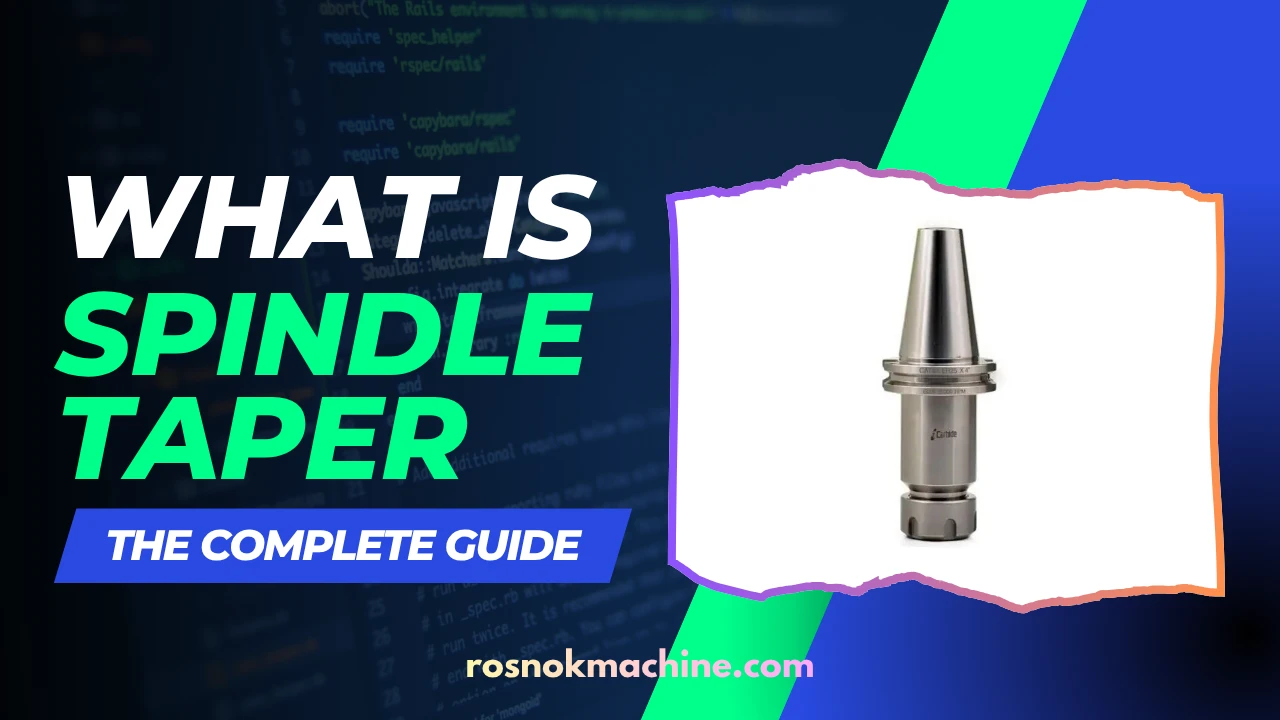
Why Is a Spindle Taper Important?
A spindle taper is important because it directly affects how securely and accurately the toolholder connects to the spindle. In machining, that connection is not a minor detail. It influences cutting stability, machining accuracy, and overall process reliability. When the spindle taper performs well, the machine is more likely to deliver consistent and predictable results throughout the operation.
Its Role in Tool Holding
One of the most important functions of a spindle taper is tool holding. The spindle taper helps self-center and support the toolholder inside the spindle so the tool can rotate with proper alignment and grip. A secure connection reduces the risk of movement during cutting and helps the tool remain seated correctly under load. This matters in both roughing and finishing, because unstable tool holding can quickly affect the reliability of the machining process.
Its Effect on Rigidity and Stability
The spindle taper also plays a major role in rigidity and stability. During cutting, the tool is constantly exposed to force, vibration, and changing resistance from the material. A well-matched spindle taper helps the spindle and toolholder act as a more stable unit, which improves resistance to deflection and helps reduce unwanted vibration. Better rigidity usually means smoother cutting behavior and more consistent performance, especially when machining harder materials or using larger tools.
Its Influence on Accuracy and Surface Finish
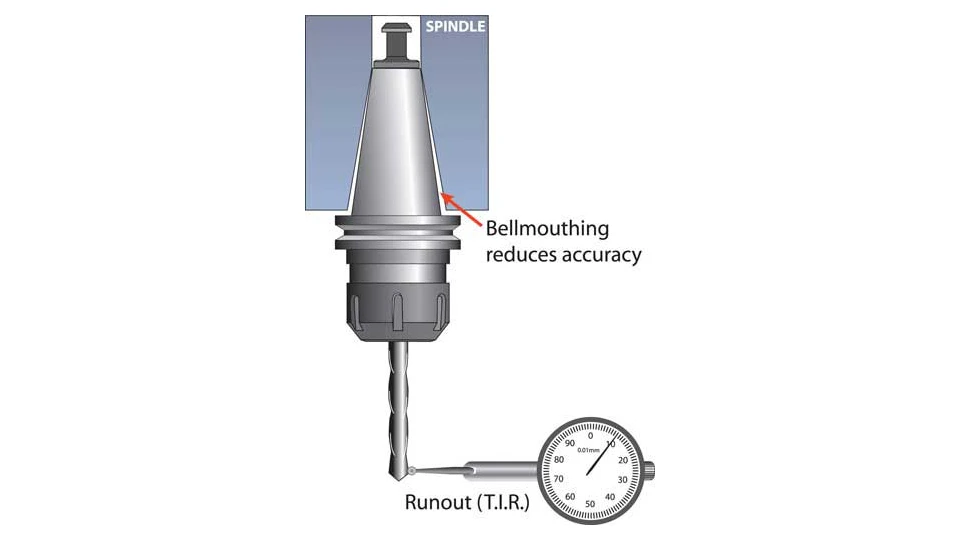
Spindle taper quality has a direct impact on machining accuracy. If the toolholder does not seat properly or the interface loses precision, runout can increase and the tool may not rotate as accurately as it should. That can reduce dimensional consistency and make the machined surface less uniform. In practical terms, the spindle taper affects how well the machine maintains precision from one operation to the next. It also supports better surface finish by helping the tool cut more smoothly and consistently.
Its Impact on Machining Efficiency
A good spindle taper supports machining efficiency because it helps the machine perform more predictably. Stable tool holding and better accuracy reduce the chance of interruptions, poor-quality parts, or unnecessary tool stress. A more stable taper connection can also support more even tool wear and longer tool life, which helps reduce unnecessary tool changes during production. This improves process consistency and makes it easier to maintain production quality over time. In other words, the spindle taper matters not only because of mechanical fit, but because it contributes to overall machining performance and dependable results.
How the Spindle Taper Connects the Spindle and Toolholder
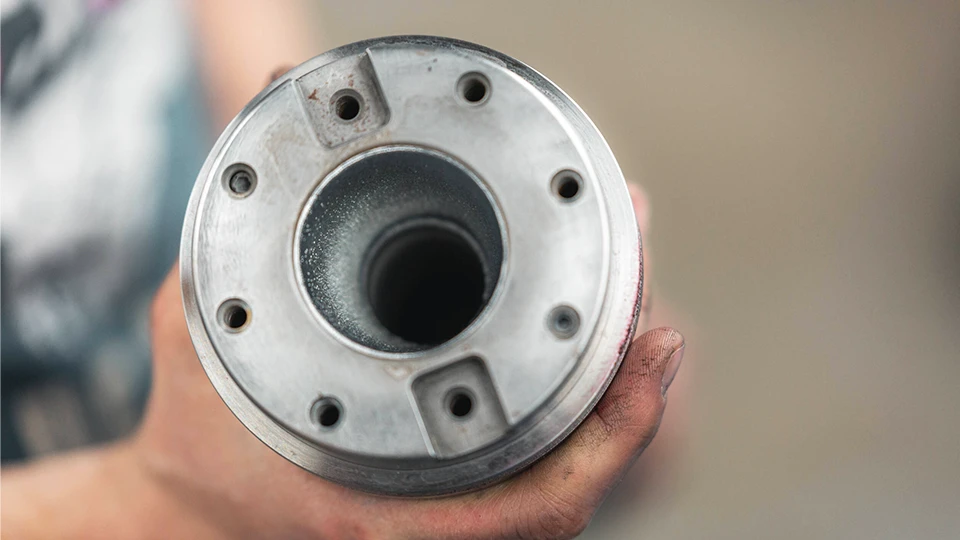
The spindle taper connects the spindle and toolholder through a precision-matched tapered interface. When the toolholder is inserted into the spindle, the tapered surfaces contact each other and help align the toolholder in the correct position. This connection is designed to provide accurate seating, stable support, and reliable clamping during rotation and cutting.
The Tapered Contact Between the Spindle and Toolholder
The connection begins with matching conical surfaces on the spindle and the toolholder. As the toolholder enters the spindle, the taper helps guide it into position and improve centering. This shape allows the toolholder to seat in a controlled and repeatable way, which is essential for consistent machining performance. The taper does not simply hold the toolholder in place. It also helps create the alignment needed for a stable cutting process.
How Clamping Force Secures the Toolholder
Taper contact alone is not enough to keep the toolholder secure during machining. After the toolholder seats in the spindle, the clamping mechanism applies force to pull or lock it firmly into place. This force helps maintain contact between the two tapered surfaces and reduces the risk of movement under cutting load. In practice, clamping force helps the spindle and toolholder act more like a single rigid unit, which improves stability during rotation and cutting.
Why Contact Quality Matters
The quality of contact at the taper interface has a direct effect on machining performance. If the taper surfaces do not match correctly, the toolholder may not seat fully or evenly inside the spindle. That can weaken support at the interface and make the connection less stable. A high-quality taper contact helps maintain alignment, improve consistency, and support more reliable cutting results. Even small contact problems at this interface can reduce the overall quality of the machining process.
Main Types of Spindle Taper
Spindle taper is not a single standard. Several spindle taper types are used in different machine tools, and each has its own design and typical application. Understanding the main types is an essential step in gaining a deeper understanding of spindle taper systems.
BT Taper
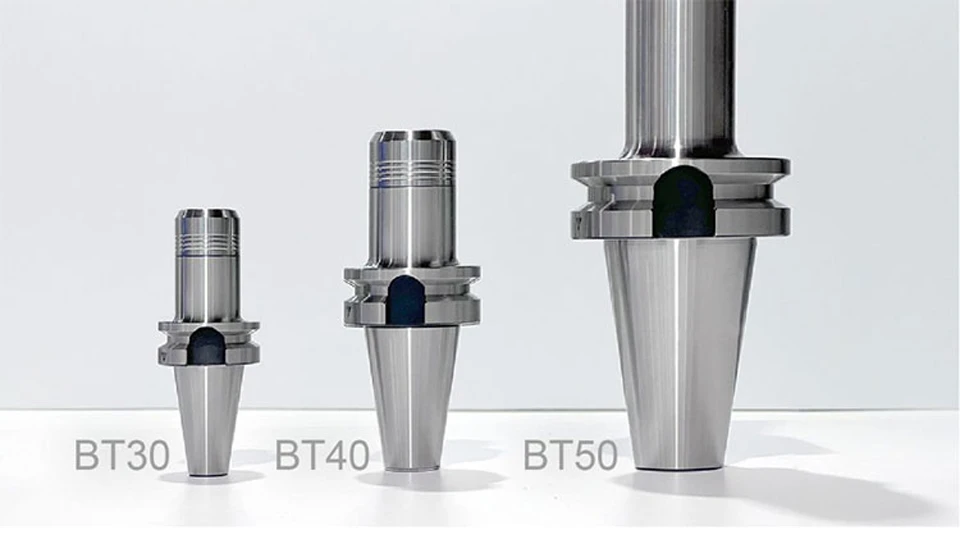
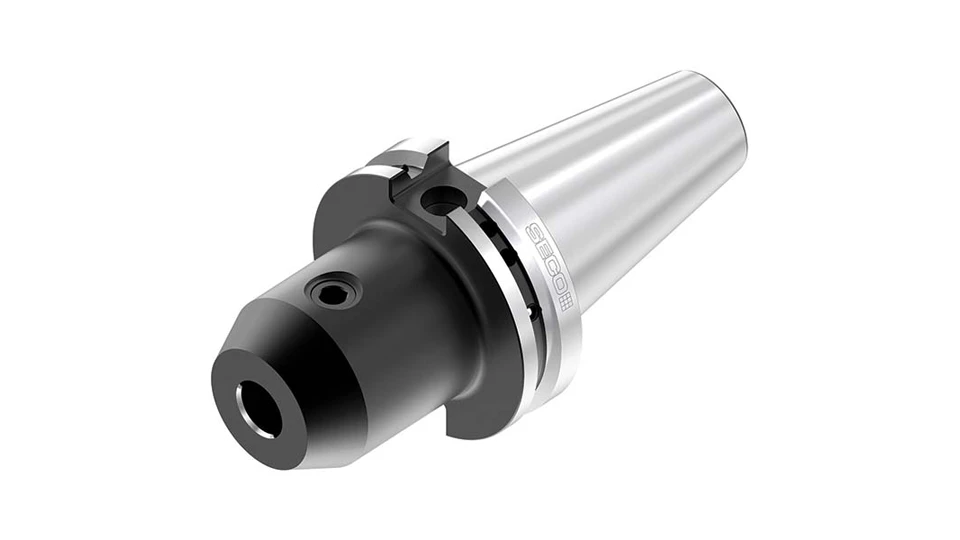
BT taper is one of the most common spindle taper types in CNC machining. It is widely used in vertical and horizontal machining centers, especially in Asian markets. BT taper uses a 7/24 steep taper design, and common sizes include BT30, BT40, and BT50. A key feature of BT taper is its symmetrical flange design, which helps support good balance during rotation. BT taper is widely used because it offers broad tooling availability and suits a wide range of general CNC milling applications.
CAT Taper
CAT taper is also a very common machine taper type, especially in North America. Like BT taper, it uses a 7/24 steep taper design and is widely used in machining centers with automatic tool changing. Common sizes include CAT30, CAT40, and CAT50. CAT taper is known for strong toolholding and long-established industrial use. Its flange design is not symmetrical in the same way as BT, which is one of its recognizable structural characteristics. CAT taper remains a familiar and well-supported choice in many production shops.
HSK Taper
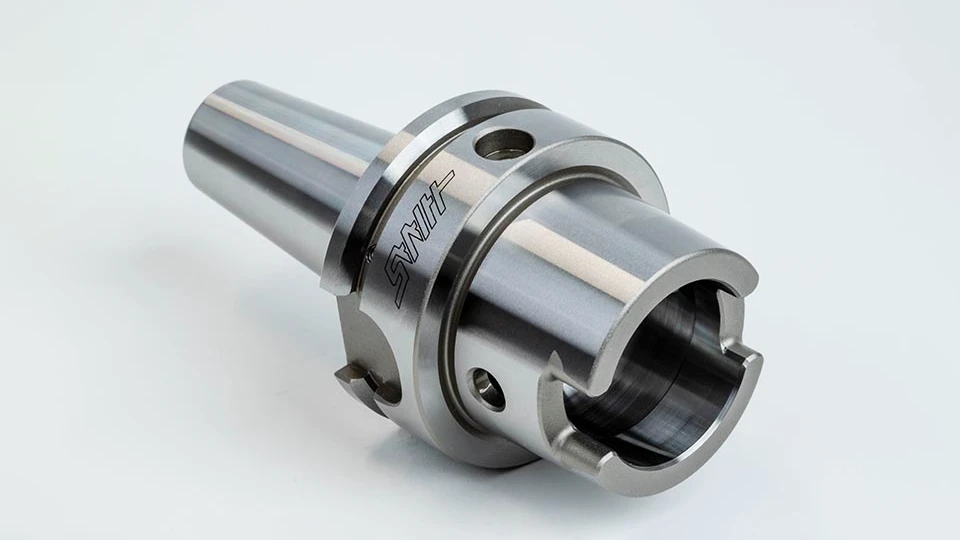
HSK taper is commonly associated with high-speed and high-precision machining applications. Unlike traditional steep taper systems, HSK uses a hollow shank design, which gives it a different interface structure from BT and CAT taper. It is often used where speed, accuracy, and repeatability are especially important. HSK taper is common in advanced machining environments, including high-speed milling and precision production. Its design makes it an important spindle taper type in modern CNC machining.
Morse Taper
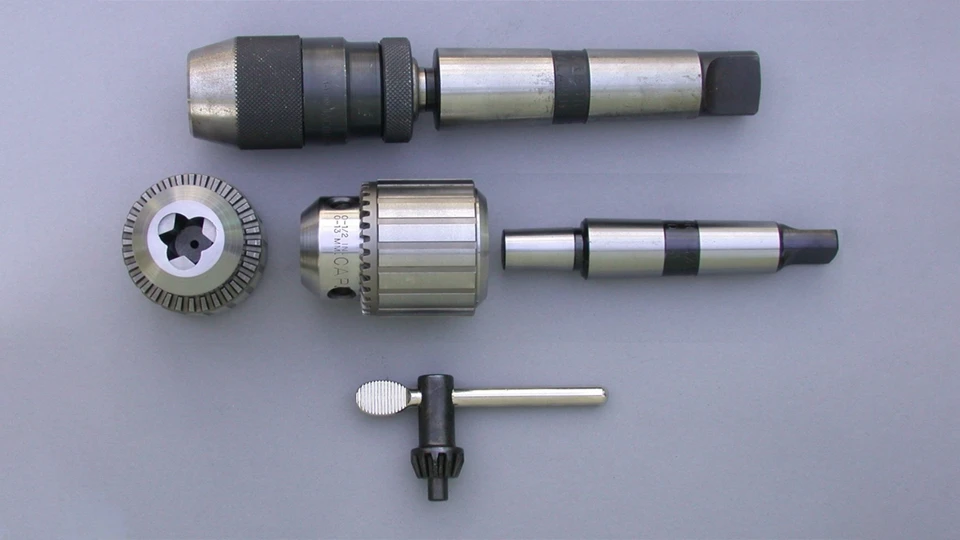
Morse taper is one of the most traditional spindle taper types in machining. It is widely used in drills, drill presses, tailstocks, and some manual machines. Morse taper is known for its self-holding design, where the shallow taper angle creates enough friction to help keep the tool in place in many applications. Compared with BT, CAT, and HSK, Morse taper is more closely associated with conventional machine tools and accessory mounting. It remains important because it is simple, widely recognized, and still used in many practical machining setups.
Other Less Common Spindle Taper Types
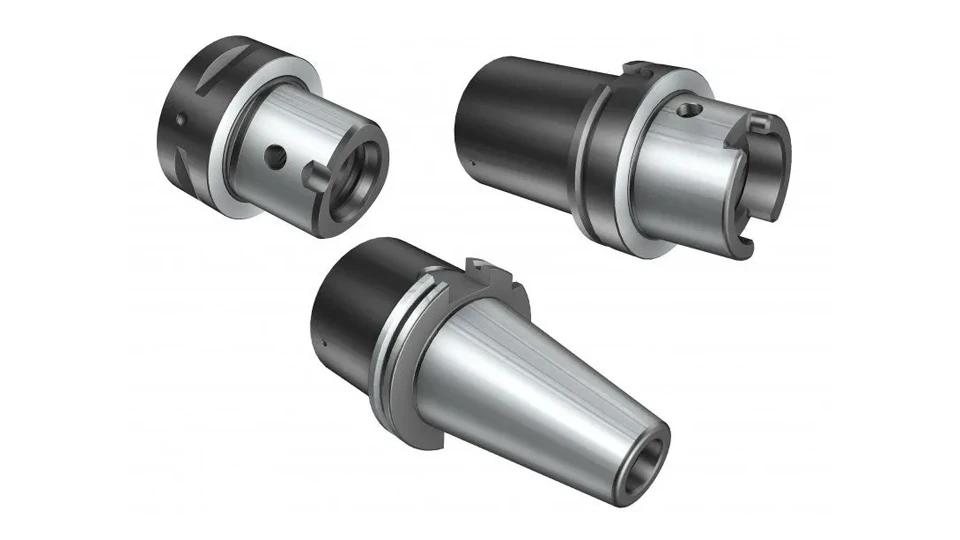
In addition to BT, CAT, HSK, and Morse taper, other spindle taper types also exist. These include older or more specialized systems used on legacy equipment, certain manual milling machines, or specific industrial applications. Examples include SK taper, which is based on DIN 69871 and is widely recognized in European machine tool systems. Not all of these taper types are common in modern CNC production, but they are still relevant in some shops and machine categories. This is why spindle taper should be understood as a broader tooling interface concept rather than a single universal standard.
What Are the Differences Between Common Spindle Taper Types?
Common spindle taper types may serve the same basic purpose, but they differ in design and application. These differences help explain why one taper system may be a better fit than another.
BT vs CAT
BT and CAT taper are both 7/24 steep taper systems and are widely used in CNC machining centers. One of the most noticeable differences is flange design. BT taper uses a symmetrical flange, while CAT taper uses an asymmetrical flange. This gives BT an advantage in rotational balance, especially in applications where spindle speed is higher. BT and CAT are also not directly interchangeable in normal production use, even though they share the same basic taper geometry, because they differ in flange details and pull stud design. CAT taper, however, remains a very common and well-established system, particularly in North American production environments. In practical terms, both are strong industrial standards, but their structural differences affect how they are commonly used and supported.
BT vs HSK
BT and HSK differ more clearly in overall interface design. BT is a traditional steep taper system, while HSK uses a hollow shank structure. Because of this, HSK is more closely associated with high-speed and high-precision machining, while BT is widely used in general-purpose CNC milling. BT is known for its versatility and broad tooling support, while HSK is often chosen where speed, repeatability, and precision are more demanding. A key difference is that HSK uses a dual-contact design, with contact at both the taper and the spindle face, which helps improve concentricity and stability at higher spindle speeds. Its hollow shank design also helps maintain a more secure connection as spindle expansion becomes more significant at high speed.
CAT vs HSK
CAT and HSK also differ significantly in both structure and typical use. CAT is a conventional steep taper system widely used in machining centers for general milling applications, while HSK uses a hollow shank design more closely associated with high-speed and high-precision work. CAT is often valued for its familiarity, tooling availability, and strong industrial presence, especially in established production environments. HSK, by contrast, is more often chosen in applications where higher spindle speeds, tighter repeatability, and more advanced machining performance are required. This makes the difference between CAT and HSK both structural and application-based.
HSK vs Morse Taper
HSK and Morse taper represent two very different spindle taper approaches. HSK is commonly used in advanced CNC machining, especially where speed, precision, and fast tool changing are important. Morse taper is more traditional and is widely used in drills, tailstocks, and manual machine tools. HSK is associated with modern CNC production environments, while Morse taper is more often found in conventional setups and manual insertion or removal. This makes the difference between them not just technical, but also practical in terms of machine type and usage.
| Taper Type | Typical Speed Suitability | Interface / Retention Style | Typical Use Context |
|---|---|---|---|
| BT | Medium to High | Steep taper with drawbar retention | General CNC machining, especially in Asia |
| CAT | Medium to High | Steep taper with drawbar retention | General CNC machining, especially in North America |
| HSK | High to Very High | Dual-contact interface | High-speed and high-precision CNC machining |
| Morse | Low to Medium | Self-holding taper | Manual machines, drills, tailstocks, and conventional tooling |
How to Choose the Right Spindle Taper
Choosing the right spindle taper depends on how the machine will actually be used. The best option is not simply the newest or most advanced taper system. It is the one that fits the machine, the cutting requirements, and the production environment in the most practical way.
Based on Machine Type
Machine type is one of the first things to consider. CNC machining centers commonly use BT, CAT, or HSK taper systems, while conventional machines, drills, and tailstocks often use Morse taper. In most cases, machine taper is a fixed part of the machine platform. Choosing a machine often also means choosing the tooling system that comes with it. For that reason, spindle taper selection usually starts with machine compatibility rather than personal preference.
Based on Workpiece Material
The material being machined also matters. General steel, cast iron, aluminum, and stainless steel do not place the same demands on the spindle and toolholder connection. For many standard milling applications, BT and CAT are both practical choices. Where high speed, light cutting, fine finishing, or high precision are more important, HSK may be a better fit. The goal is to choose a spindle taper that supports the cutting conditions required by the material.
Based on Tool Size and Cutting Load
Tool size and cutting load affect how much support and rigidity the taper system needs to provide. Larger tools and heavier cuts usually require a stronger and more stable connection. In many cases, larger taper systems such as BT50 or CAT50 are preferred for heavier-duty cutting because they offer stronger support and rigidity. Smaller tools and lighter cutting conditions may place more value on speed, balance, and precision. This is why spindle taper selection should reflect the actual cutting load instead of relying only on general machine class.
Based on Speed and Precision Requirements
Some machining environments place greater emphasis on spindle speed and repeatable accuracy. In these cases, the taper system must support stable performance under more demanding conditions. For general-purpose machining, a standard steep taper system may be fully appropriate. For higher-speed or higher-precision work, the spindle taper choice may need to favor a system designed for that type of performance. This is one reason HSK is often considered in applications such as high-speed machining, mold work, or precision finishing.
Based on Tooling Availability and Cost
Tooling availability is a practical but often overlooked factor. A spindle taper may perform well technically, but it still needs a reliable supply of holders, accessories, and replacement components. Cost also matters over time, not just at the point of machine purchase. Tooling availability can also vary by region. In many Asian markets, BT tooling is more widely available, while CAT remains more common in North American production environments. In many cases, the right spindle taper is the one that balances machining needs with long-term tooling practicality.
Common Spindle Taper Problems
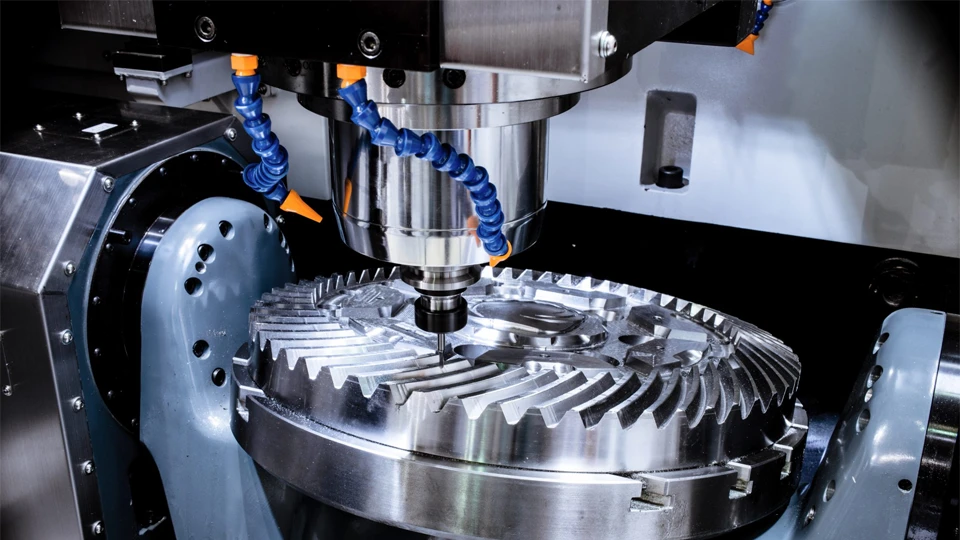
A spindle taper can develop several common problems during use. These problems can reduce toolholding quality, machining stability, and long-term accuracy if they are not addressed in time.
Wear and Damage
Over time, the taper surface can wear or become damaged through repeated use, poor handling, or contact with damaged toolholders. Even small marks, dents, or surface damage can affect how the toolholder seats in the spindle. Once the contact is no longer even, the connection may become less stable and less accurate. Surface damage can also lead to fretting corrosion, where small vibrations at the interface create wear that further degrades contact quality.
Dirt, Chips, and Poor Contact
Contamination is one of the most common spindle taper problems. Chips, dust, oil residue, or other debris inside the taper can prevent full contact between the spindle and the toolholder. When that happens, the toolholder may not seat correctly, even if the machine and holder are otherwise in good condition. Even a very small chip or particle at the taper interface can increase tool runout, reduce contact quality, and make machining results less consistent.
Taper Mismatch
A taper mismatch happens when the toolholder and spindle are not designed for the same taper system or are incorrectly paired in use. Similar-looking taper systems are not always interchangeable. If the taper standard, flange details, or retention components do not match correctly, the connection may be unstable or incomplete, especially if the pull stud or retention knob is incorrect. This can prevent the clamping mechanism from securing the toolholder properly and lead to poor fit, unreliable toolholding, or machining errors.
Poor Toolholder Quality
The spindle taper can only perform as well as the toolholder that fits into it. If the toolholder is poorly made, worn, or damaged, the quality of the taper connection will suffer. Low-quality holders can reduce seating accuracy, increase instability, and make machining performance less predictable. In many cases, the problem is not the spindle taper alone, but the condition of the holder used with it.
Loss of Accuracy Over Time
Spindle taper performance can gradually decline over time if wear, contamination, or repeated poor contact are not addressed. The change may not appear suddenly. Instead, the machine may become less consistent, the tool may stop seating as accurately, or the results may become harder to repeat. This gradual loss of accuracy is one of the reasons spindle taper condition should never be ignored in long-term machine use.
How to Maintain a Spindle Taper Properly
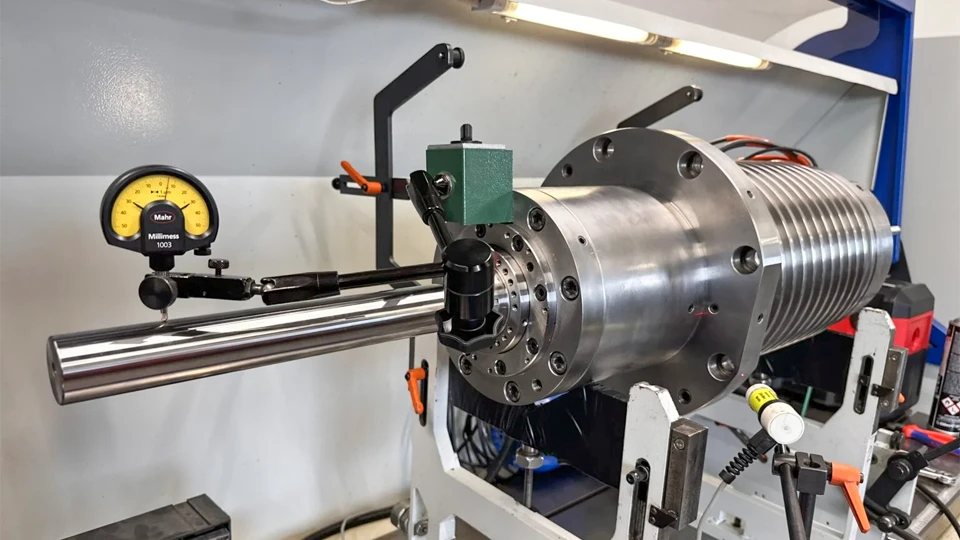
Proper spindle taper maintenance is mainly about keeping the interface clean, accurate, and protected from avoidable damage. Good maintenance does not need to be complicated, but it does need to be consistent. Small problems at the taper can become larger machining problems if they are ignored.
Daily Cleaning
Daily cleaning is one of the most basic and most important maintenance steps. The spindle taper and the toolholder taper should be kept free of chips, dust, oil residue, and other debris before contact. Using a dedicated spindle taper wiper or a lint-free cloth helps keep the taper surface clean before tool insertion. Even a small particle can affect seating quality and reduce consistency. Regular cleaning helps preserve full contact at the interface and lowers the risk of avoidable runout or poor toolholding.
Inspection of the Taper Surface
The taper surface should be checked regularly for signs of wear, dents, scratches, corrosion, or other damage. A spindle taper is a precision surface, so even minor damage can affect how the toolholder seats. Inspection does not need to be complicated, but it should be done carefully and consistently. For a more thorough check, layout fluid or high-spot blue can be used with a master holder to help verify contact condition at the taper interface. The goal is to identify problems early, before they begin to affect machining accuracy or stability.
Toolholder Handling Best Practices
Toolholder handling also affects spindle taper condition. Holders should be stored properly, kept clean, and protected from impact. If a damaged or dirty holder is inserted into the spindle, it can transfer the problem directly to the taper interface. Good handling practices help protect both the holder and the spindle, which is why maintenance should not focus on the machine alone.
Preventing Wear and Contamination
Wear and contamination are easier to prevent than to correct. Keeping the taper clean, using toolholders in good condition, and avoiding careless handling all help reduce long-term damage. Repeated poor contact, dirty holders, or neglected cleaning routines can gradually reduce taper performance. If the machine will sit idle for an extended period, a light protective oil film can help prevent rust caused by coolant residue or ambient moisture. Preventive care is important because spindle taper problems often develop over time rather than all at once.
When to Repair or Replace Components
Some spindle taper issues can no longer be solved through cleaning alone. If the taper surface is damaged, if the holder no longer seats correctly, or if machining accuracy continues to decline, repair or replacement may be necessary. The same applies to worn or damaged toolholders. Once a component begins to compromise the quality of the taper connection, continuing to use it usually creates more problems than it solves.
Conclusion
A spindle taper may look like a small machine detail, but it plays a major role in how a machine performs every day. From toolholding and rigidity to accuracy, stability, and long-term consistency, the spindle taper affects far more than many buyers first expect. Understanding how spindle taper systems work, how the main types differ, how to choose the right one, and how to maintain it properly is essential for making better machining decisions and avoiding unnecessary performance problems over time.
For manufacturers and buyers who want more than basic specifications, spindle taper should always be considered as part of the complete machine solution. Rosnok focuses on CNC machine tools built for practical production needs, with close attention to spindle structure, tooling compatibility, and long-term machining reliability. Whether the application involves general metal cutting, heavy-duty machining, or higher-precision work, the right machine platform and the right spindle taper system should be matched from the beginning.