How Does a 4 Jaw Chuck Work?
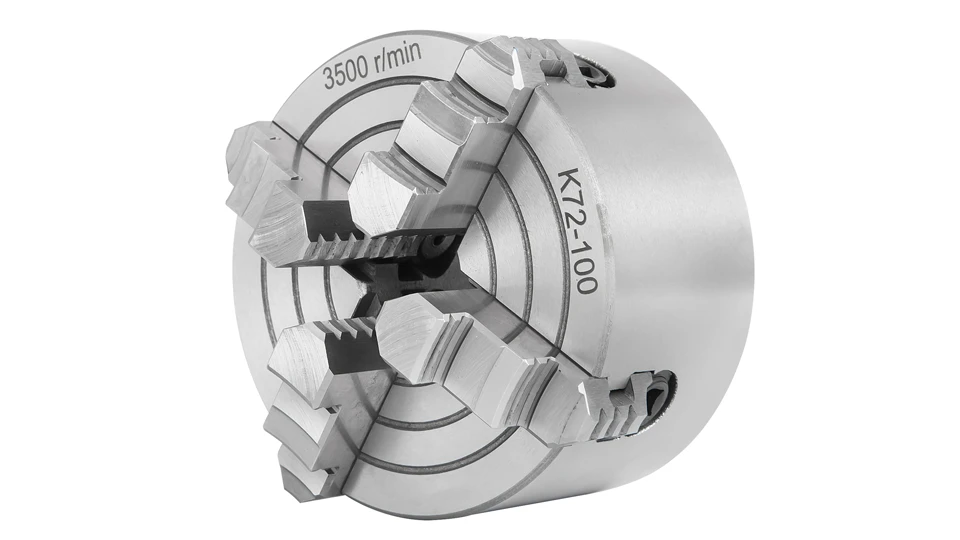
A 4 jaw chuck is a type of lathe chuck that uses four independently adjustable jaws to hold a workpiece in place during machining. Each jaw can be moved individually by turning a dedicated screw with a chuck key. Unlike self-centering chucks, where all jaws move simultaneously and symmetrically, the 4 jaw configuration allows each jaw to slide along its own path, giving the operator full manual control over the positioning of the workpiece.
The basic mechanism is simple but precise. Each jaw is housed in a radial T-slot or dovetail groove cut into the chuck body. When the screw is turned, it pushes or pulls the jaw in or out. By adjusting each jaw separately, the operator can position the workpiece exactly where it is needed—either centered along the chuck’s rotational axis or intentionally offset, depending on the machining requirement.
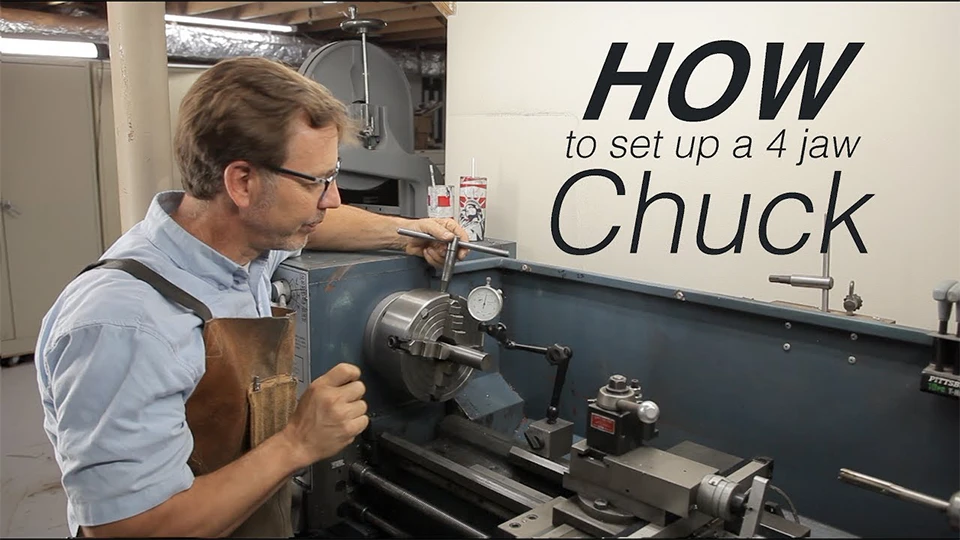
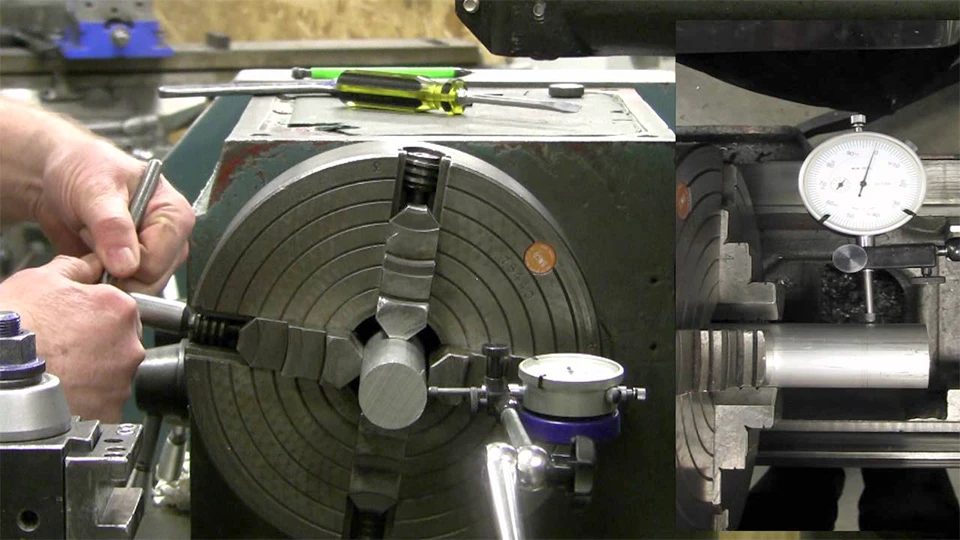
To achieve proper alignment, machinists often use a dial indicator. With the spindle rotating slowly by hand, the indicator reads deviations in the workpiece’s surface as each jaw is adjusted incrementally. This process is repeated until the desired alignment is achieved. It requires patience and careful coordination, but the setup enables accurate positioning for both standard and nonstandard shapes.
Advantages of Using a 4 Jaw Chuck
Unlike self-centering chucks, a 4 jaw chuck offers distinct mechanical and operational benefits that make it ideal for a range of complex machining tasks. From holding irregular parts to enabling off-center turning, this type of chuck plays a unique role in precision work. The following are some of its key advantages:
Precise Independent Centering
Each of the four jaws can be moved separately, allowing operators to center the workpiece with a high degree of accuracy. This is especially useful when dealing with parts that are not perfectly round. Using a dial indicator, machinists can adjust the jaws incrementally to eliminate runout, making it possible to align the workpiece manually with exceptional precision.
Clamping Irregular or Asymmetrical Parts
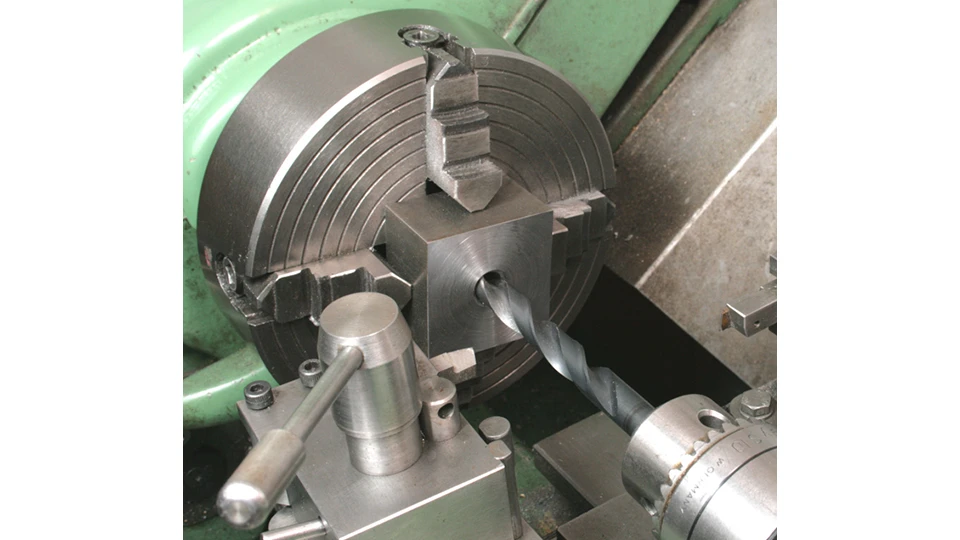
The independent movement of each jaw enables secure clamping of square, rectangular, or irregularly shaped components. Unlike 3 jaw chucks, which are limited to round or hexagonal stock, the 4 jaw chuck is capable of gripping parts that have unusual geometries. This makes it ideal for repair jobs, custom parts, and non-standard components.
Eccentric Turning and Specialized Operations
With the ability to intentionally offset the workpiece from the center, the 4 jaw chuck supports eccentric turning operations such as cam machining and multi-axis profiles. This makes it the preferred solution for tasks where off-center features are required, eliminating the need for additional fixtures or complex setups.
High Flexibility for One-Off or Low-Volume Jobs
Because it is not limited by workpiece shape or size, the 4 jaw lathe chuck is particularly well-suited for low-volume production, prototyping, and repair work. It offers flexibility in handling a wide variety of materials and part configurations, allowing machinists to adapt quickly to new tasks without needing a specialized setup for each one.
Setup and Adjustment Tips
Correctly setting up a 4 jaw chuck is critical to achieving accurate and safe machining results. Unlike self-centering chucks, where setup is relatively quick, the 4 jaw chuck requires manual adjustment of each jaw to align the workpiece. This section outlines key techniques and practical tips for precise alignment and secure clamping.
Use a Dial Indicator for Accurate Centering
One of the most important tools in setting up a 4 jaw chuck is the dial indicator. After loosely mounting the workpiece, the chuck is rotated slowly by hand while the dial indicator is positioned against the surface of the part. The reading helps identify how far off-center the part is. Each jaw is then adjusted incrementally to bring the part into true alignment. This process may take several passes but is essential for minimizing runout, especially in precision applications.
Tighten Opposing Jaws Gradually and Evenly
To prevent distortion or slipping, it is important to tighten opposing jaws alternately and gradually. For example, if you start by adjusting Jaw 1, follow with Jaw 3, then move to Jaw 2 and finish with Jaw 4. Applying even pressure across all jaws ensures a stable grip and helps maintain concentricity. Uneven tightening can cause misalignment, vibration, or even damage to the workpiece or tooling.
Account for Part Geometry Before Setup
Before starting the adjustment process, consider the geometry of the workpiece. For asymmetrical or irregular parts, plan the jaw positions in advance. Make sure enough contact area is available for each jaw to grip securely. In some cases, soft jaws or additional fixtures may be used to avoid damaging delicate surfaces or to improve grip stability.
Set the Chuck at Low Spindle Speed During Alignment
Always perform centering operations at very low or zero spindle speed. In manual lathes, the chuck can be turned by hand. For CNC lathes, use jog mode with caution. This allows safe observation of dial readings and reduces the risk of injury or accidental part ejection during setup.
Differences Between Manual and CNC Lathe Setup
While the fundamental process is similar, CNC lathes may require different setup strategies due to automation and machine control systems. For example, some CNC chucks may include digital readouts for jaw position or allow programmable jaw actuation. However, the core principle of manual adjustment with indicator feedback remains relevant when using a 4 jaw chuck, even in CNC environments.
Maintenance and Safety Basics
Regular maintenance and safe operation are essential when working with a 4 jaw chuck. Because each jaw operates independently and is manually adjusted, keeping the mechanism clean and secure not only extends the life of the chuck but also ensures reliable performance and operator safety. Below are the core practices to follow.
Clean and Lubricate the Chuck Regularly
Over time, metal chips, dust, and coolant residue can accumulate in the jaw slides and threads, affecting jaw movement and overall accuracy. It’s important to clean the chuck thoroughly after each use, especially the internal screw threads and sliding surfaces. Use compressed air with caution and follow up with a brush to remove fine particles. Apply light machine oil or grease to the jaw screws and sliding tracks to maintain smooth movement and reduce wear.
Inspect for Wear and Jaw Play
Periodically check for signs of wear or looseness in the jaws, particularly if the chuck is used for heavy or frequent machining. Excessive play in the jaws can lead to inaccurate clamping and increased runout. If the jaws do not hold position well after tightening, inspect the internal threads and mating surfaces for damage. Replace worn components as needed to maintain precision.
Avoid Over-Tightening
Because clamping force is applied manually, there is a risk of over-tightening, which can distort the workpiece or damage the chuck. Use controlled and even pressure across opposing jaws, and avoid applying unnecessary torque. If precise torque control is required, consider using a torque wrench or chuck force gauge to standardize clamping pressure.
Keep Hands Clear and Use Proper Tools
During setup and adjustment, keep your hands away from the rotating chuck at all times. Only use appropriate chuck keys and tools—never attempt to hold the workpiece with your hands while tightening the jaws. Make sure the chuck key is removed before starting the spindle to avoid accidents. These safety basics are simple but critical in preventing serious injury.
Use Proper Spindle Speed for Each Setup
After clamping the part, verify that the selected spindle speed is safe for the size, weight, and balance of the workpiece. Irregular or off-center parts should be turned at lower speeds to minimize centrifugal force and vibration. Unbalanced loads can pose a safety hazard if operated too fast. Always start at a low speed and increase gradually if needed.
Conclusion
A 4 jaw chuck is defined not just by its structure, but by what it enables—custom positioning, secure clamping, and the handling of parts others can’t hold. In this article, we’ve covered its mechanical design, how it works on the lathe, and why it remains an essential tool for machinists working across varied setups. From fundamentals to real-world relevance, the 4 jaw chuck proves its worth as a core element in precision turning.
While the 4 jaw chuck plays a specific role in workholding, it ultimately functions as part of a larger system—the lathe itself. At Rosnok, we specialize in building lathe machines that support a wide range of chucking methods and machining demands. From heavy-duty CNC turning centers to compact CNC lathes, our machines are designed to deliver stability, precision, and adaptability for shops working with both standard and unconventional parts.