How High Speed Machining Works
The process of high speed machining revolves around three critical parameters: spindle speed, feed rate, and depth of cut. Machines typically operate at rotational speeds above 15,000 RPM, sometimes reaching 40,000 RPM or higher. These elevated spindle speeds allow for more consistent tool engagement, reduced deflection, and improved control—especially when working with difficult-to-machine metals like titanium or hardened steel.
One key feature is the use of multiple shallow passes instead of heavy cuts, which reduces tool load and helps maintain dimensional stability. Although each pass removes less material, the overall material removal rate remains high due to the speed and repetition of cuts.
Toolpath optimization is another cornerstone of the process. Advanced CAM software is used to generate smooth, fluid motion that avoids abrupt direction changes. This minimizes vibration and keeps chip load consistent, both of which are essential for tool longevity and surface quality.
Unlike conventional machining, where high cutting forces can lead to tool chipping or thermal distortion, high speed machining significantly reduces mechanical and thermal stress. This enables better tolerance control and reduces the need for secondary finishing.
A less obvious, but equally important factor is the dynamic behavior of the machine itself. Machines designed for high speed machining often feature lightweight moving parts, high-response servo motors, and advanced motion control algorithms. These allow the system to accelerate and decelerate quickly while maintaining accuracy, making it possible to follow complex toolpaths at high speed without overshooting or backlash.
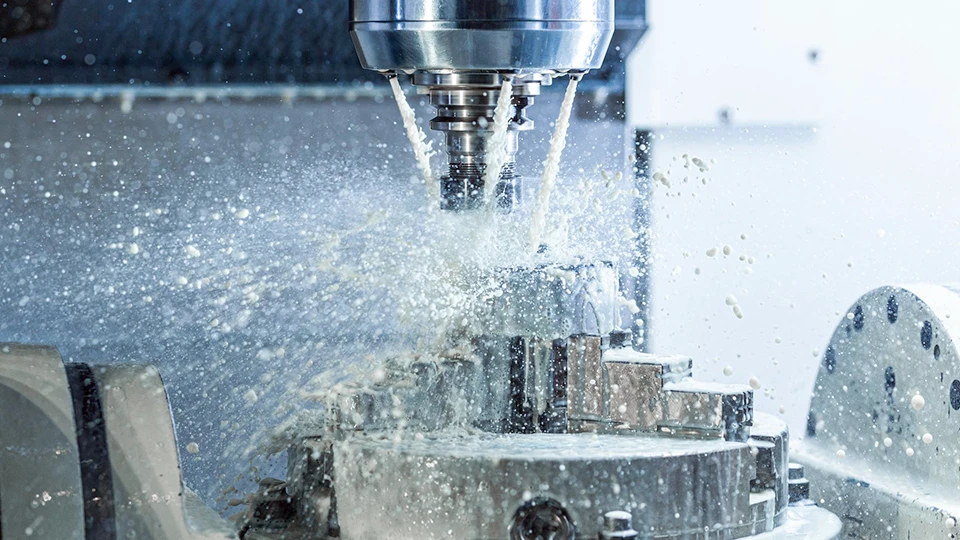
Key Benefits of High Speed Machining
High speed machining offers several important advantages that have made it a standard approach in industries like aerospace, medical devices, automotive, and mold manufacturing. These benefits are not limited to speed alone—they reflect a combination of higher efficiency, improved quality, and smarter material removal strategies.
Reduced Cycle Time
One of the most immediate benefits of high speed machining is the dramatically reduced machining cycle time. By using high spindle speeds and optimized feed rates, manufacturers can remove more material in less time. Although each cut may be shallower, the rapid sequence of passes accumulates to a much higher overall metal removal rate. This allows production teams to achieve faster throughput without sacrificing part quality.
Improved Surface Finish and Accuracy
High speed machining also improves surface finish and dimensional accuracy. The process produces smaller, more consistent chips with reduced cutting forces. These stable conditions minimize tool deflection and vibration—two major causes of poor surface texture or dimensional error in conventional machining. As a result, manufacturers often find that parts produced through high speed machining require little or no post-processing, such as grinding or polishing, which further enhances overall productivity.
Extended Tool Life
Another benefit is extended tool life under properly controlled high speed machining conditions. Despite the high spindle speeds, the process reduces heat generation and maintains stable engagement between tool and material. This allows cutting tools to retain sharper edges for longer periods, decreasing the frequency of tool changes and minimizing unplanned downtime in production environments.
Better Thermal Control
Thermal control is significantly improved with high speed machining. Because cutting passes are lighter and faster, the process transfers less heat into the workpiece. This minimizes the risk of thermal expansion and distortion—especially important for materials like aluminum or titanium alloys. With reduced thermal stress, workpieces remain dimensionally stable, and tight tolerances are easier to maintain throughout the cycle.
Stable Cutting Force for Thin Features
High speed machining is particularly advantageous when working with thin-walled parts or intricate features. It offers better control over cutting forces, which helps prevent part deformation. This allows engineers and designers to implement more aggressive geometries without compromising structural integrity—especially valuable in aerospace or medical applications where lightweight precision components are critical.
Cost Efficiency Over Time
Over the long term, high speed machining contributes to improved cost efficiency. Faster cycle times, fewer tool changes, and minimal post-processing all help reduce per-part production costs. Even though the initial investment in high speed-compatible equipment can be higher, manufacturers typically see a strong return on investment through reduced scrap rates, increased uptime, and greater overall throughput.
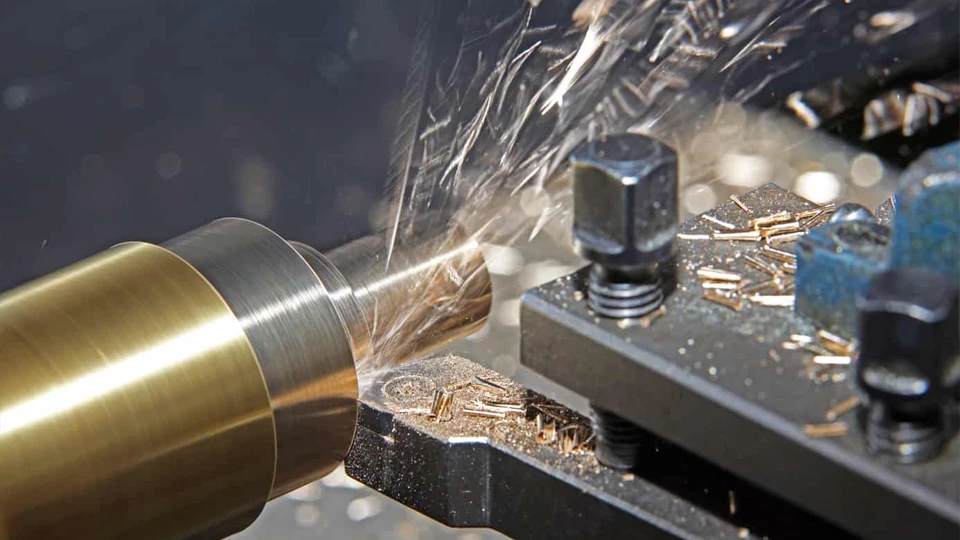
Structural Requirements for High Speed Machining Equipment
High speed machining places unique demands on the mechanical and control architecture of CNC machines. To support stable, precise, and repeatable operations at extremely high spindle speeds and rapid tool movements, the equipment must be designed with enhanced rigidity, thermal stability, and advanced motion control.
Machine Frame and Rigidity
The machine’s mechanical structure is the foundation of its performance. High speed machining machines often use a lightweight but rigid frame, commonly made from materials like polymer concrete or reinforced cast iron with dampening elements. These structures help absorb vibration and minimize deformation during high-speed movements. Stiffness in the base and column is essential to maintain tool accuracy and reduce chatter during rapid acceleration or direction changes.
High-Speed Spindle Systems
Equally critical is the spindle system. Unlike conventional machines that may operate below 8,000 RPM, high speed machining requires spindles capable of sustaining 15,000–60,000 RPM. These high-speed spindles must be dynamically balanced and supported by advanced bearing systems, often hybrid ceramic or air bearings, to reduce heat and friction. Spindle motors are typically integrated with direct-drive technology for faster response and less backlash.
Thermal Management and Compensation
Thermal control is another structural priority. As high spindle speeds generate localized heat, the machine must incorporate active thermal management systems. These may include chilled spindle housings, heat-exchange enclosures, and integrated temperature sensors that stabilize the cutting zone. Thermal compensation algorithms are often embedded in the control software to adjust positioning based on real-time temperature data.
Motion Control and Drive Technology
On the motion side, high speed machining machines are equipped with high-response servo motors and linear guides. Traditional ball screws may not offer the responsiveness needed for high-speed interpolation, so linear motor drives are increasingly used. These allow for ultra-fast acceleration, smoother travel, and micron-level precision even at rapid traverse speeds.
CNC Controller Performance
The CNC controller must also be capable of processing complex tool paths at high speeds without introducing delays. Modern high speed machining systems use multi-channel control loops, real-time look-ahead features, and block processing rates in the range of several thousand blocks per second. This ensures the machine can maintain smooth, continuous motion along intricate contours without stalling or overshooting.
Vibration Suppression and Dynamic Balancing
To further enhance performance, many high speed machining centers incorporate vibration suppression systems and automatic dynamic balancing. These technologies allow the machine to adapt to varying cutting conditions in real-time, minimizing wear and extending component life.
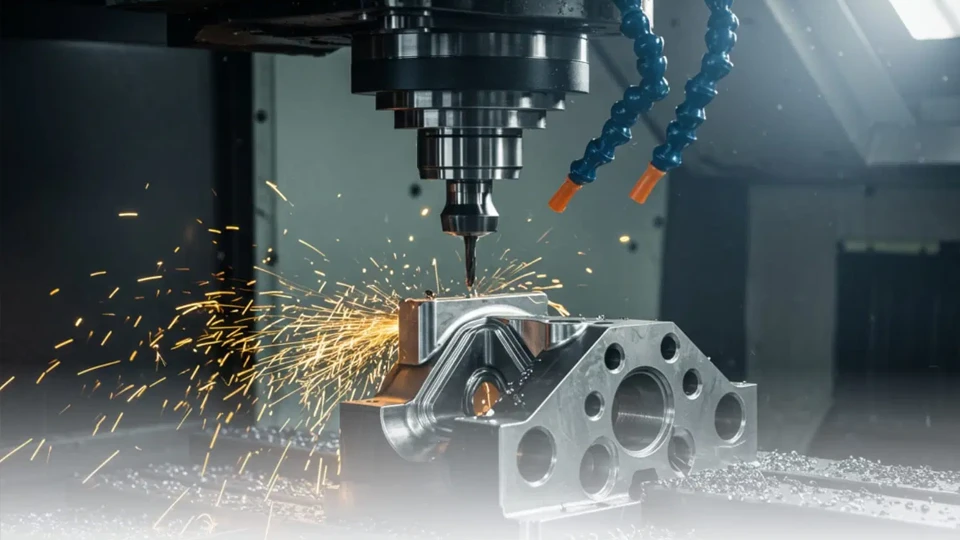
Machine Types for High Speed Machining
Not all CNC machines are capable of high speed machining. The process requires equipment that is specifically engineered for fast, stable, and precise movement. Different machine configurations offer varying levels of performance depending on the part geometry, material, and production goals. Below are the most common machine types suited for high speed machining applications.
High Speed Vertical Machining Centers (VMCs)
Vertical machining centers are one of the most widely used platforms for high speed machining, especially for 3-axis applications. Their vertical spindle design allows for effective chip evacuation, and many VMCs come equipped with high-rpm spindles, linear guideways, and direct-drive systems. High-speed VMCs are commonly used in mold and die industries, aerospace aluminum part production, and high-precision general machining.
High Speed Horizontal Machining Centers (HMCs)
Horizontal machining centers offer better chip control and thermal stability for certain high speed operations, particularly on large or complex parts. Their horizontal orientation makes them ideal for high-volume metal removal, especially in automotive or aerospace structural components. High speed HMCs often include pallet changers, rotary tables, and integrated cooling systems to handle longer cycle times and maintain part quality.
High Speed Gantry and Bridge-Type Mills
For large-scale applications such as aerospace panels, molds, or composite components, high speed gantry-type or bridge-type machines are preferred. These machines offer a large working envelope and high structural rigidity. They are typically equipped with high-torque, high-rpm spindles and can handle both roughing and finishing operations in one setup, improving accuracy and workflow.
High Speed Graphite Machining Centers
Graphite is a popular material for EDM electrodes and mold inserts, but it requires a different cutting strategy. Specialized high speed machining centers for graphite include sealed enclosures, dust extraction systems, and optimized dry cutting paths. These machines are lighter, faster, and precisely tuned for low-resistance machining with high surface quality.
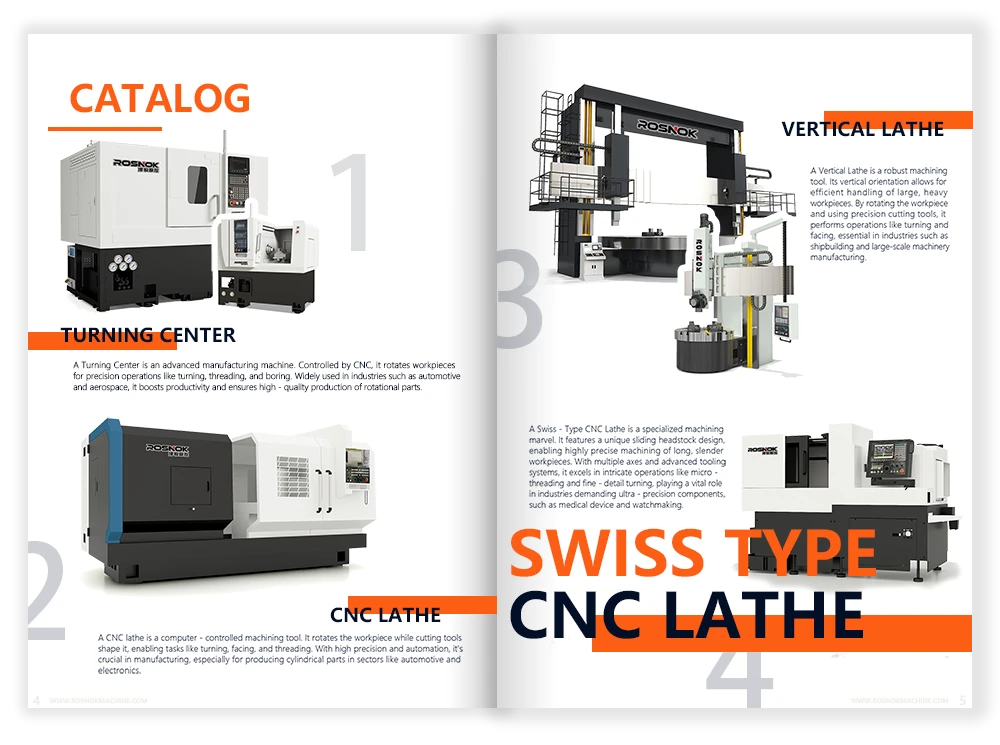
CNC Swiss-Type Lathes with High Speed Milling
Though traditionally used for small precision turning, many advanced Swiss-type CNC lathes now feature high speed milling spindles for simultaneous machining. This hybrid configuration is especially useful in medical, watchmaking, and electronics industries where complex parts are machined in a single cycle. The high spindle speed and minimal idle time make them suitable for high-mix, low-volume precision manufacturing.
High Speed Drilling and Tapping Centers
For applications involving a high number of holes or threaded features—such as electronic casings, automotive brackets, or aerospace fittings—high speed drilling and tapping centers provide an efficient solution. These compact machines prioritize spindle speed and acceleration, offering quick tool changes and short cycle times with excellent repeatability.
High Speed Machining Feeds and Speeds
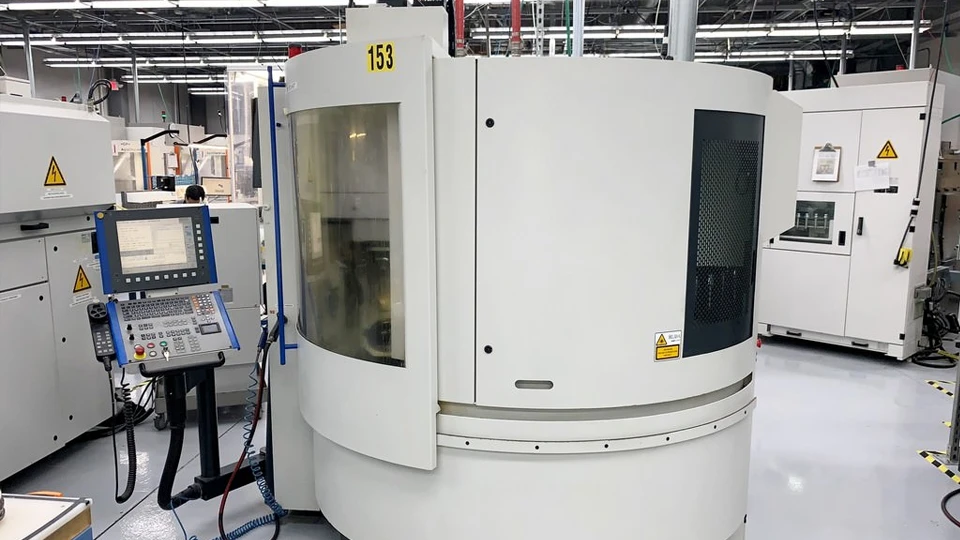
Feeds and speeds are at the heart of high speed machining. Unlike conventional machining, where heavier cuts and slower speeds dominate, high speed machining relies on lighter, faster cuts. This shift in cutting philosophy requires careful tuning of spindle speed (RPM), feed rate (mm/min or in/min), and depth of cut to maintain performance, tool life, and surface quality.
Spindle Speed (RPM)
In high speed machining, spindle speeds often range from 15,000 to 60,000 RPM, depending on the material and tool diameter. Smaller tools require higher RPM to maintain proper cutting speeds at the edge, while larger tools may operate at lower RPM to avoid tool failure. Spindle speed directly influences surface finish and heat generation, making it a critical parameter in any high speed setup.
Feed Rate (F)
Feed rate refers to the distance the tool moves per minute. It must be synchronized with spindle speed to maintain a consistent chip load. Too low a feed rate can lead to rubbing and excess heat; too high can result in tool overload or deflection. In high speed machining, feed rates are typically much higher than in traditional processes—sometimes exceeding 20,000 mm/min depending on machine dynamics.
Chip Load per Tooth (fz)
Chip load per tooth, calculated as feed rate divided by the number of teeth and RPM, helps determine how much material each cutting edge removes. Maintaining an optimal chip load is essential to avoid tool wear and achieve a balanced cut. In high speed machining, ideal chip loads are often smaller but more frequent, due to higher tool engagement speeds.
Depth of Cut (DOC) and Width of Cut (WOC)
Instead of deep, aggressive passes, high speed machining favors shallow depths of cut (often 0.1–2.0 mm depending on the operation) combined with higher speeds and feeds. Width of cut is also optimized to balance engagement angle and heat dissipation. By controlling both parameters, operators can maintain stable forces and prevent tool chatter or breakage.
Constant Engagement Strategies
Advanced toolpaths such as trochoidal milling, adaptive clearing, and dynamic motion are designed to maintain a consistent chip load and tool engagement. These methods avoid sudden force spikes and allow for higher feed rates without overloading the tool. Maintaining constant engagement also minimizes temperature spikes, improving dimensional accuracy and tool life.
Tool Material and Coating Considerations
High speed machining demands tools made from high-performance materials such as solid carbide, ceramic, or PCD (polycrystalline diamond). Coatings like TiAlN, AlTiN, or DLC help reduce friction, manage heat, and extend tool life under high RPM conditions. Proper selection of tool geometry and coating is as important as setting the correct speed and feed parameters.
Common Cutting Tools and Material Selection in High Speed Machining
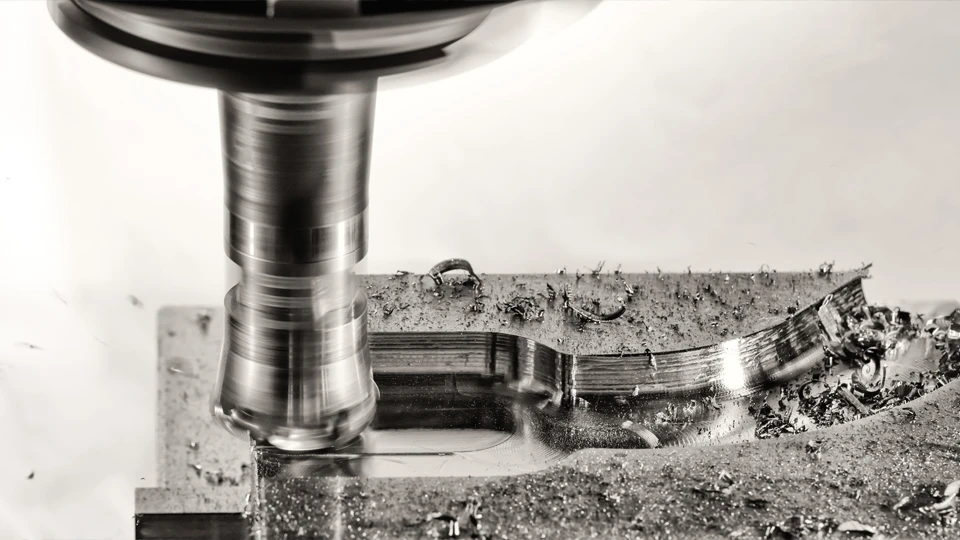
Tool selection plays a critical role in the success of high speed machining. Since the process operates at elevated spindle speeds and feed rates, tools must be optimized for both strength and thermal performance. Factors such as tool material, geometry, coating, and structure directly affect tool life, cutting efficiency, and surface quality.
Carbide as the Primary Tool Material
Solid carbide tools are the standard choice in high speed machining due to their hardness, thermal resistance, and wear performance at high cutting speeds. Compared to high-speed steel (HSS), carbide retains sharpness better and allows higher RPMs without deformation. It’s the preferred material for end mills, drills, and inserts across aluminum, steel, titanium, and other alloys.
Coated Tools for Enhanced Durability
Coatings such as TiAlN, AlTiN, AlCrN, and DLC significantly improve tool life and heat resistance during high speed operations. These coatings reduce friction, prevent built-up edge formation, and enhance chip evacuation. For machining titanium or hardened steel at high speeds, coated tools are essential for maintaining edge integrity and surface quality over long cycles.
Recommended Tool Geometries
Specific tool geometries are better suited for high speed strategies. Ball nose end mills are common for 3D contouring and mold work due to their smooth engagement. Long neck end mills provide reach for deep cavities without compromising rigidity. High-feed cutters allow aggressive radial engagement with shallow axial depth, maintaining chip load and minimizing tool deflection.
Tool Holders and Balancing Considerations
At high RPMs, even small imbalances in tool holders can lead to chatter, surface defects, or spindle damage. Balanced tool holders (G2.5 at 20,000 RPM or higher) are necessary to maintain vibration-free cutting. Shrink-fit holders, hydraulic chucks, and precision collets are commonly used in high speed applications to ensure concentricity and clamping force.
Materials Best Suited for High Speed Machining
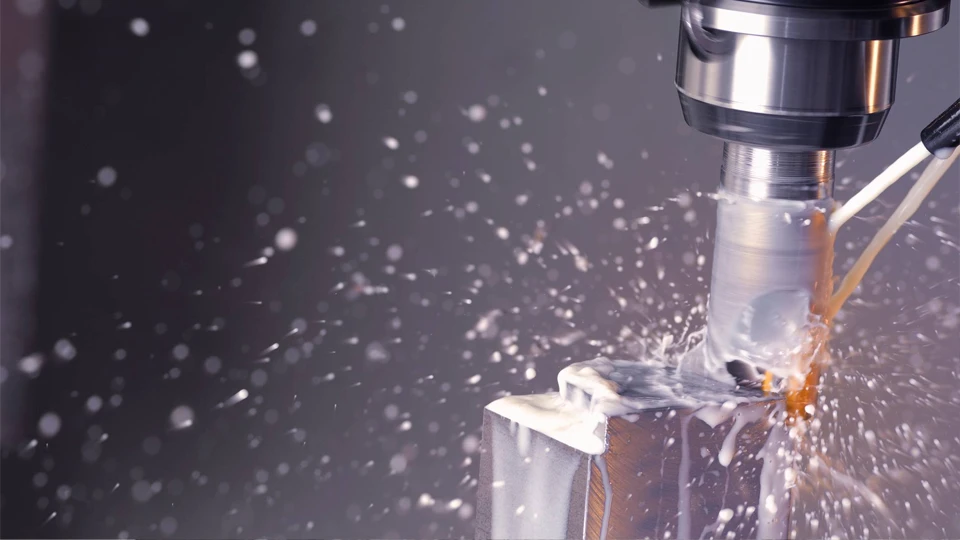
High speed machining is most effective when applied to materials that offer low cutting resistance, high thermal stability, and good machinability. Choosing the right material can significantly impact productivity, surface finish, and tool life. While not all materials are equally compatible with high speed strategies, the following are widely recognized as the best candidates for achieving optimal results.
Aluminum Alloys
Aluminum is the most commonly machined material in high speed applications. Its low density, good machinability, and excellent thermal conductivity make it ideal for high RPM cutting. Aerospace and automotive industries frequently use aluminum alloys such as 6061, 7075, and 2024 due to their strength-to-weight ratio and compatibility with high feed rates. High speed machining of aluminum often results in excellent surface finish and minimal tool wear.
Magnesium and Its Alloys
Magnesium is even lighter than aluminum and offers excellent machinability. It can be cut at extremely high speeds with minimal tool load. However, due to its flammability when in fine particulate form, machining magnesium requires specialized safety and dust control systems. It’s often used in aerospace components, lightweight housings, and high-performance sports equipment.
Engineering Plastics
Engineering plastics such as PEEK, Delrin, and polycarbonate are well-suited for high speed machining due to their low cutting resistance. These materials are widely used in electronics, aerospace interiors, and medical device components because they allow for fast cutting speeds with minimal tool wear and excellent dimensional stability.
Brass Alloys
Brass is a free-machining material that performs well under high speed machining conditions. Its excellent chip control and low cutting resistance make it ideal for parts requiring fast turnaround with minimal tool wear. Applications include electrical connectors, fluid control components, and decorative parts. Brass maintains stable cutting performance and is less likely to form built-up edge compared to pure copper.
Titanium Alloys
Titanium alloys are valued for their strength-to-weight ratio and corrosion resistance, particularly in aerospace and medical industries. While they are difficult to machine due to low thermal conductivity and high strength, high speed machining can still be effective—especially in finishing or light roughing operations. Using advanced strategies such as low radial engagement, high spindle speeds, and optimized toolpaths, manufacturers can achieve precise, stable results when paired with the right tooling and process controls.
Applications of High Speed Machining in Modern Industry
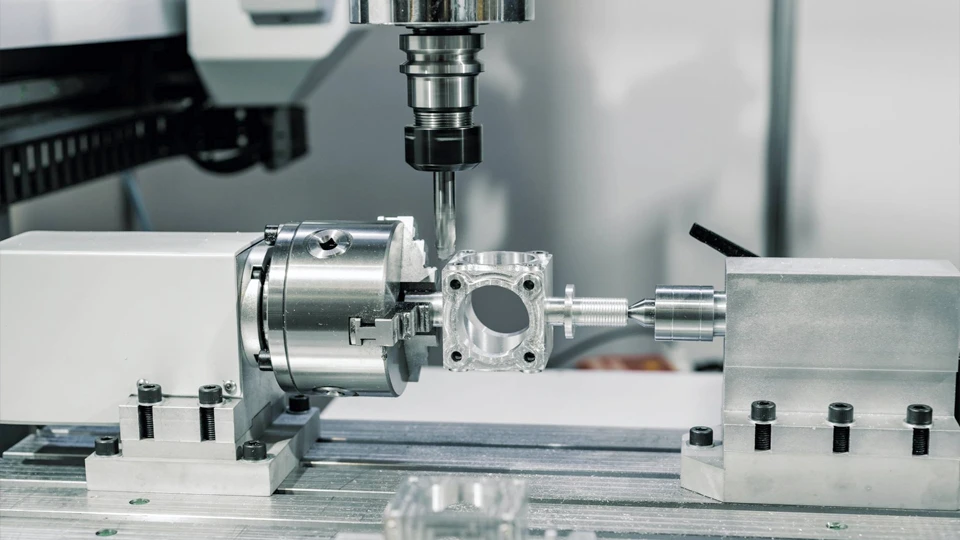
High speed machining has become a core strategy across multiple manufacturing sectors, especially in industries that demand precision, speed, and material efficiency. Its ability to reduce cycle times while improving surface finish and dimensional accuracy makes it ideal for complex, high-value components. Below are the key industries where high speed machining plays a transformative role.
Aerospace Manufacturing
In the aerospace industry, high speed machining is essential for producing lightweight structural components from aluminum and titanium. These parts often have complex geometries, thin walls, and tight tolerance requirements. HSM enables rapid material removal and high-quality surface finishes, reducing the need for secondary operations. Aircraft frames, turbine blades, and wing ribs are common parts produced using this method.
Automotive Engineering
The automotive sector leverages high speed machining for both prototyping and large-scale production of engine blocks, transmission cases, and aluminum suspension components. Its speed and repeatability reduce lead times and increase throughput, especially when working with soft metals like aluminum. HSM also supports the growing demand for electric vehicle (EV) components, where weight reduction and thermal management are key design priorities.
Medical Device Manufacturing
High speed machining is widely adopted in the production of surgical instruments, orthopedic implants, dental components, and prosthetics. Materials such as titanium and PEEK, which are biocompatible but difficult to machine, benefit from HSM’s precision and thermal control. The ability to maintain fine detail and surface integrity is critical for ensuring patient safety and device performance.
Mold and Die Industry
The mold and die industry relies heavily on HSM for producing complex cavities and surface textures in hardened tool steels. The technology enables fast finishing of hardened molds without requiring time-consuming EDM processes. This is especially useful for plastic injection molds, die casting tools, and stamping dies, where turnaround time and surface finish quality are crucial.
Electronics and Semiconductor Components
Miniaturized components in smartphones, laptops, and other consumer electronics often require high-speed precision milling in materials like copper alloys, plastics, and ceramics. HSM supports tight dimensional control and clean edge definition, making it ideal for housings, heat sinks, and PCB prototypes. As devices get smaller, the importance of efficient micromachining continues to grow.
Key Factors When Selecting High Speed Machining Equipment
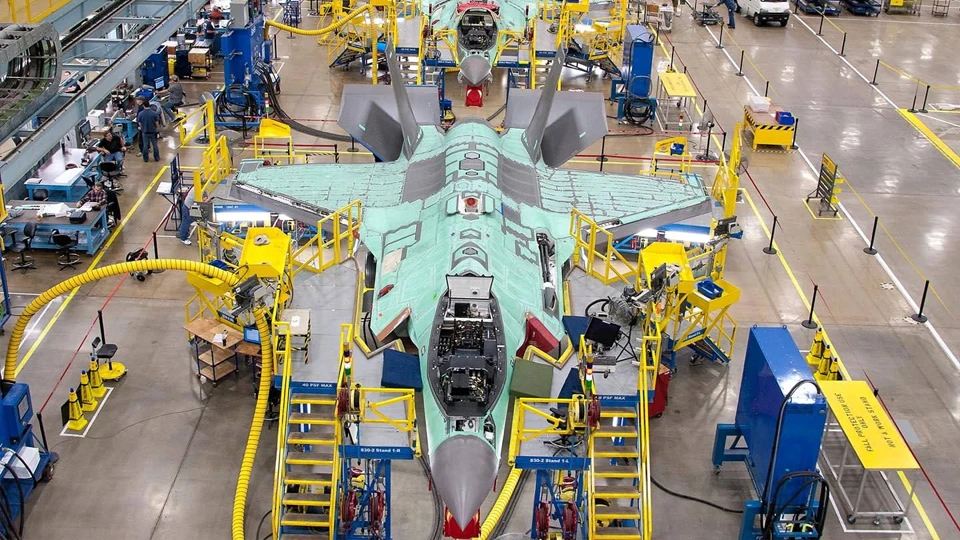
Not all CNC machines are capable of true high speed machining (HSM). While many may advertise high spindle speeds or fast axis movement, effective HSM requires a combination of hardware and control technologies designed specifically for high-speed, high-precision cutting. Below are the key technical factors to evaluate when selecting a machine for high speed machining applications.
Spindle Performance and Cooling System
A high-speed spindle is the centerpiece of HSM capability. Look for machines with direct-drive or motorized spindles capable of 15,000–40,000 RPM or more, depending on the material and tooling. Spindle cooling—whether via oil, air, or hybrid systems—is essential to maintain thermal stability during prolonged operations. Without proper cooling, thermal expansion can lead to dimensional drift and premature spindle wear.
Structural Rigidity and Vibration Damping
High speed cutting generates dynamic forces that can induce vibration if the machine lacks sufficient rigidity. The machine base, column, and table must be constructed with vibration-damping materials and reinforced designs. Linear guideways and high-precision ball screws should support rapid axis movement while maintaining stiffness. A stable structure ensures consistent tolerances and smooth surface finishes even at high acceleration.
CNC Controller and Look-Ahead Capability
The CNC controller must process thousands of lines of code quickly and anticipate complex toolpaths without interruption. Features like high-speed look-ahead, jerk control, and spline interpolation help maintain velocity and accuracy during 3D machining. Without these capabilities, the machine may hesitate at corners or curves, reducing both surface quality and productivity.
Tool Change System and Chip Management
High speed machining often involves frequent tool changes, especially in mold, medical, or precision part production. A fast and reliable automatic tool changer (ATC) minimizes downtime. In addition, high-performance chip evacuation—through air blast, mist coolant, or high-pressure systems—ensures chips don’t recut or cause thermal buildup, especially at high spindle speeds.
Software and CAM Compatibility
Even a high-performance machine is limited by poor toolpath programming. Ensure that the machine’s control system integrates seamlessly with advanced CAM software that supports high speed strategies such as trochoidal milling, adaptive roughing, and optimized stepovers. Machines that support high-speed post-processors can fully leverage their motion capabilities.
Return on Investment (ROI) Evaluation
Beyond technical specs, it’s critical to assess whether high speed machining equipment justifies the investment. Factors to consider include production volume, part complexity, material type, and downstream savings from shorter cycles and reduced post-processing. For shops focusing on short-run prototypes or general work, a hybrid machine may suffice. For high-volume aerospace or mold production, dedicated HSM platforms offer long-term ROI through throughput and quality gains.
Common Misunderstandings and Solutions in High Speed Machining
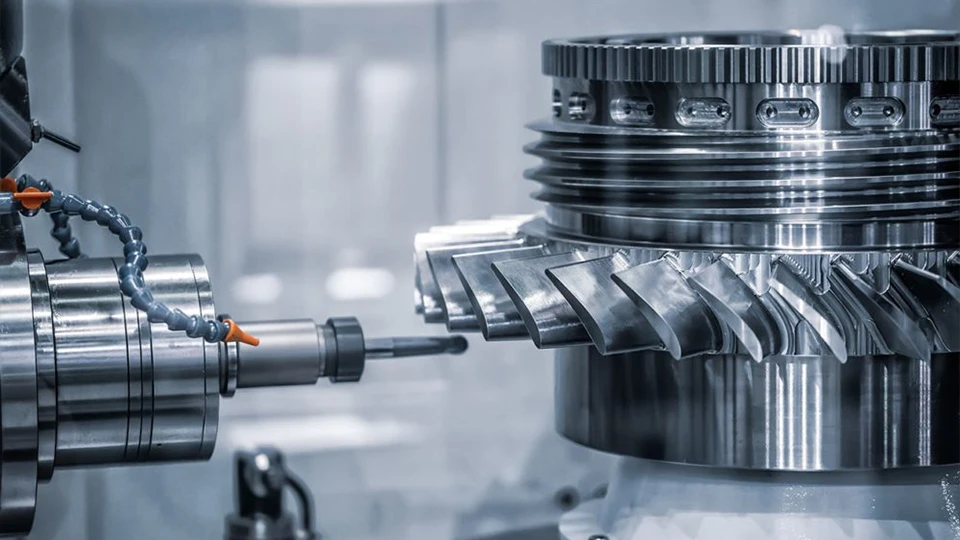
Despite its growing popularity, high speed machining is often misunderstood—even by experienced manufacturers. Misconceptions about speed, tool life, machine capability, and process reliability can lead to poor decisions, inefficiencies, or even damage. This section highlights the most common misunderstandings in high speed machining and offers practical solutions based on industry best practices.
Misconception: “Faster Always Means Better”
One of the most common myths is assuming that simply increasing spindle speed or feed rate will improve productivity. In reality, true HSM involves a balanced combination of toolpath strategy, chip load, and machine dynamics. Exceeding the limits of the machine or tooling can result in chatter, poor finish, or reduced tool life.
Solution: Focus on maintaining optimal chip thickness and stable engagement rather than chasing maximum RPM or feed. Use adaptive toolpaths and consult cutting data provided by tool manufacturers.
Misconception: High Speed Machining Destroys Tools
Some believe that high speed machining accelerates tool wear and leads to frequent tool breakage. This is usually the result of incorrect parameters, poor tool material selection, or inadequate cooling—not the speed itself.
Solution: Use appropriate tool coatings, correct cutting geometry, and high-performance holders. Implement mist or air cooling when liquid coolant is not feasible, and monitor wear patterns to fine-tune your cutting strategy.
Misconception: All Machines Can Perform HSM
Merely having a high-RPM spindle does not make a CNC machine capable of true HSM. Machines lacking structural rigidity, advanced controllers, or proper vibration damping will not maintain accuracy or surface quality at high speeds.
Solution: Evaluate the entire machine system—spindle, structure, motion control, and thermal stability—before assuming it can support high speed machining. Consider investing in machines built specifically for HSM when high surface finish or tight tolerances are required.
Misconception: More Passes = Inefficiency
Many manufacturers resist using light, fast passes because they assume it’s inefficient compared to deep, aggressive cuts. However, in high speed machining, these shallow passes maintain chip load consistency, reduce tool deflection, and keep temperatures under control—especially in hard materials.
Solution: Understand that quick, shallow toolpaths are central to HSM efficiency. They reduce mechanical stress and allow higher overall material removal rates over time.
Misconception: HSM Is Only for Aluminum
While aluminum is ideal for high speed machining, it’s not the only material that benefits. With the right setup, titanium, engineering plastics, brass, and even hardened steels can be machined using high speed strategies.
Solution: Match tool materials, geometries, and cooling systems to the specific material. Review successful case studies for the material you’re working with and adjust your strategy accordingly.
Conclusion
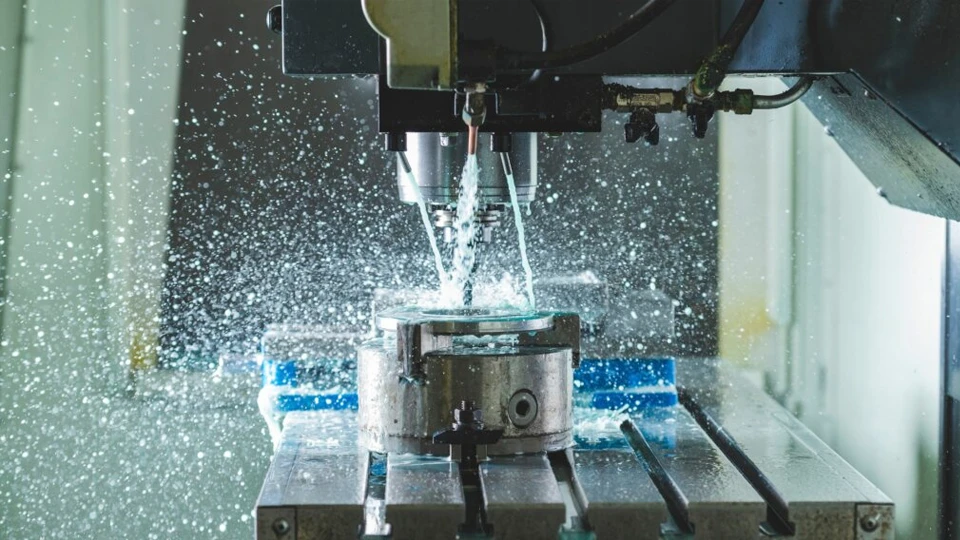
High speed machining has become a cornerstone of modern manufacturing—not just for its speed, but for the precision, surface quality, and production agility it brings. Whether it’s aerospace brackets, medical implants, or high-volume automotive components, HSM enables faster workflows, longer tool life, and superior consistency across complex geometries. When applied correctly, it turns high spindle speeds and fast toolpaths into real, measurable value on the shop floor.
For manufacturers preparing to embrace this technology, success often starts with the right foundation: a machine that’s truly engineered for high speed performance. That’s where companies like Rosnok stand out—offering CNC equipment built with rigid frames, responsive controls, and high-speed-ready spindles. With years of expertise in precision metalworking, Rosnok helps global customers move confidently into the next generation of smart, efficient, and scalable machining.