This article will explain what machine alignment is, why it is necessary, and how proper alignment helps improve machining accuracy, machine performance, and equipment service life.
What Is Machine Alignment?
Machine alignment is the process of measuring, adjusting, and verifying the relative position of key machine components to ensure they maintain the correct geometric relationship. In CNC machining, proper alignment helps machines move accurately, maintain stable cutting conditions, and reduce machining deviations during operation.
The accuracy of a CNC machine does not only depend on the CNC control system, cutting tools, or machining parameters. The mechanical relationship between components also plays a critical role. Even a small alignment error between major machine structures can affect positioning accuracy, machining consistency, and the final quality of manufactured parts.
In simple terms, machine alignment ensures that every important part of the machine works together in the correct position and direction. When the mechanical structure is properly aligned, CNC machines can achieve more reliable performance and maintain stable accuracy throughout production.
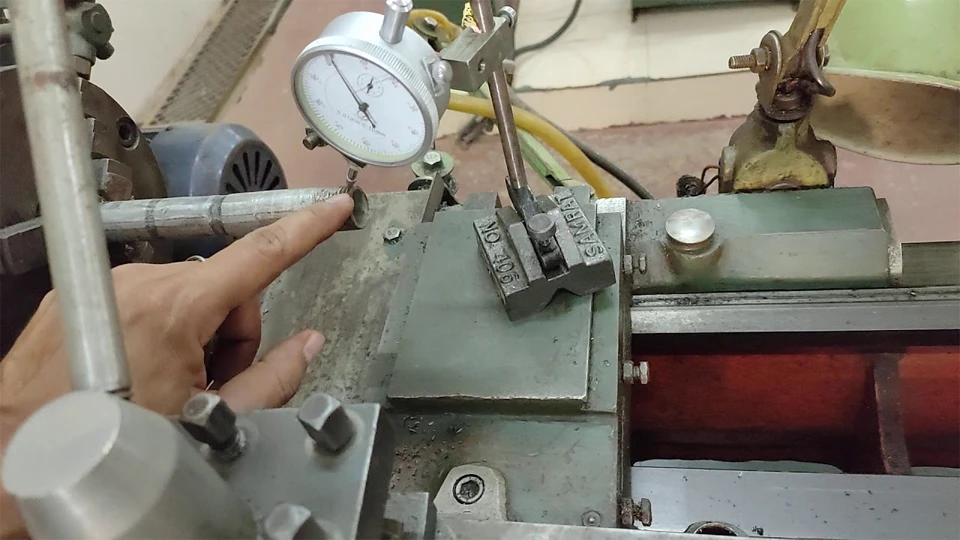
Main Elements Involved in Machine Alignment
Machine alignment depends on the accuracy and relationship of several key machine components. These elements work together to ensure stable movement, consistent machining performance, and reliable CNC accuracy.
Machine Bed Level
The machine bed is the foundation of a CNC machine and provides structural support for all major components. Proper bed level is essential because any unevenness or deformation can affect the overall geometry of the machine.
A stable and correctly positioned machine bed helps maintain:
- Consistent support for moving components
- Proper alignment between different machine structures
- Stable machining conditions during operation
If the machine bed is not properly aligned, other components may also experience positional deviations, affecting the machine’s overall accuracy.
Guideway Straightness
Guideways control the movement of machine components, such as the table, carriage, or tool system. Their straightness directly affects how accurately the machine moves along each axis.
Proper guideway alignment helps ensure:
- Smooth linear movement
- Accurate axis travel
- Reduced positioning errors
For CNC machines that require continuous high-precision operations, guideway accuracy is especially important because even small deviations can influence machining consistency over repeated production cycles.
Spindle Alignment
The spindle is one of the most important components in CNC machining because it directly drives the cutting tool or workpiece. Spindle alignment determines whether the cutting process occurs along the intended machining direction.
Correct spindle alignment helps maintain:
- Stable cutting conditions
- Accurate tool positioning
- Consistent machining results
A misaligned spindle can create unwanted cutting errors and affect surface quality, especially in precision machining applications where tight tolerances are required.
Axis Positioning Accuracy
CNC machines rely on multiple axes, such as X, Y, and Z axes, to control tool and workpiece movement. The relationship between these axes must remain accurate to achieve the programmed machining path.
Axis alignment affects:
- Positioning accuracy
- Repeatability
- Overall machining precision
When axis movement is properly aligned, the machine can follow CNC programs more accurately and produce consistent parts during continuous production.
Worktable Alignment
The worktable provides the mounting surface for fixtures and workpieces. Its alignment with other machine components is important for maintaining correct positioning during machining.
Proper worktable alignment supports:
- Reliable workpiece positioning
- Stable clamping conditions
- Consistent machining results
For manufacturers producing precision components, worktable alignment helps ensure that each workpiece is positioned correctly relative to the cutting tool.
Overall, these elements work together to determine the geometric accuracy and operating stability of a CNC machine. Machine alignment is not related to a single component; it is a coordinated condition where the machine structure, movement system, and working area maintain the correct relationship with each other.
Why Is Machine Alignment Necessary for CNC Machines?
Machine alignment is not just a routine setup procedure; it is the fundamental prerequisite for reliable manufacturing. It directly influences the quality of the final product and the operational health of the equipment.
Maintaining CNC Machining Accuracy
Proper alignment helps CNC machines maintain accurate movement between axes, spindle rotation, and workpiece positioning. This allows the machine to produce parts closer to the required specifications and maintain stable quality during repeated production.
Reducing Machine Wear and Unexpected Downtime
Incorrect alignment can create uneven mechanical loads and unnecessary stress on machine components. Over time, this may increase wear on guideways, ball screws, and other precision parts, leading to more frequent maintenance.
Improving Production Efficiency and Cost Control
Stable machine alignment helps reduce production interruptions, unnecessary adjustments, and quality problems. For manufacturers, maintaining alignment is an effective way to improve equipment reliability and protect long-term investment.
What Problems Can Incorrect Machine Alignment Cause?
While proper alignment ensures stability, operating a misaligned CNC machine creates a chain reaction of mechanical and production issues.
Reduced Machining Precision
When mechanical components are out of alignment, the actual tool path may deviate from the programmed coordinates. This can cause dimensional errors and reduced repeatability, resulting in inconsistent parts that may fail to meet required tolerances.
Increased Vibration and Tool Wear
Alignment errors can create uneven cutting conditions and generate excessive vibration or chatter during operation. This vibration affects surface quality and accelerates tool wear, leading to shorter tool life and higher machining costs.
Shortened CNC Machine Service Life
Running a misaligned machine places additional stress on internal components during operation. Over time, this can accelerate wear on precision parts, increase maintenance requirements, and reduce the overall service life of the CNC machine.
How Is Machine Alignment Performed?
Machine alignment is a systematic process that involves inspection, measurement, adjustment, and verification. The goal is to identify geometric deviations between machine components and restore the correct relationship needed for stable CNC operation.
Initial Machine Inspection
Before performing alignment, technicians first evaluate the overall condition of the CNC machine. This step helps determine whether accuracy issues are caused by alignment problems or other factors such as component wear or improper installation.
The inspection usually includes checking:
- Machine condition and operating status
- Foundation stability
- Signs of mechanical wear
- Existing accuracy issues
A proper initial inspection provides the basis for the following measurement and adjustment process.
Measuring Alignment Accuracy
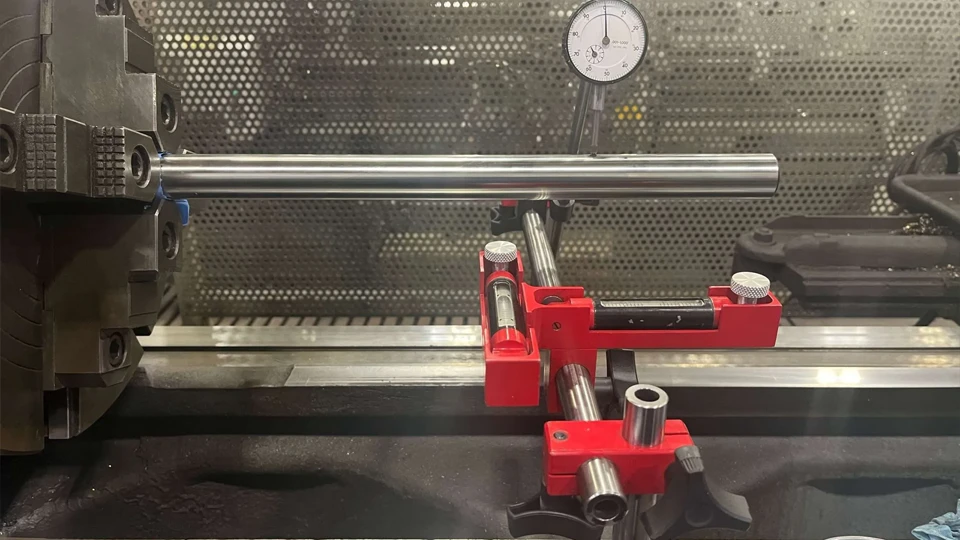
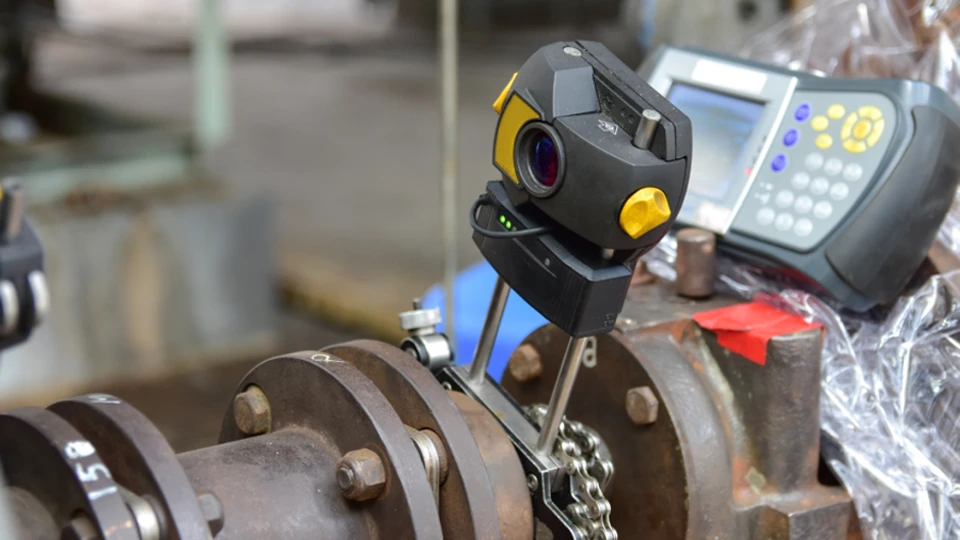
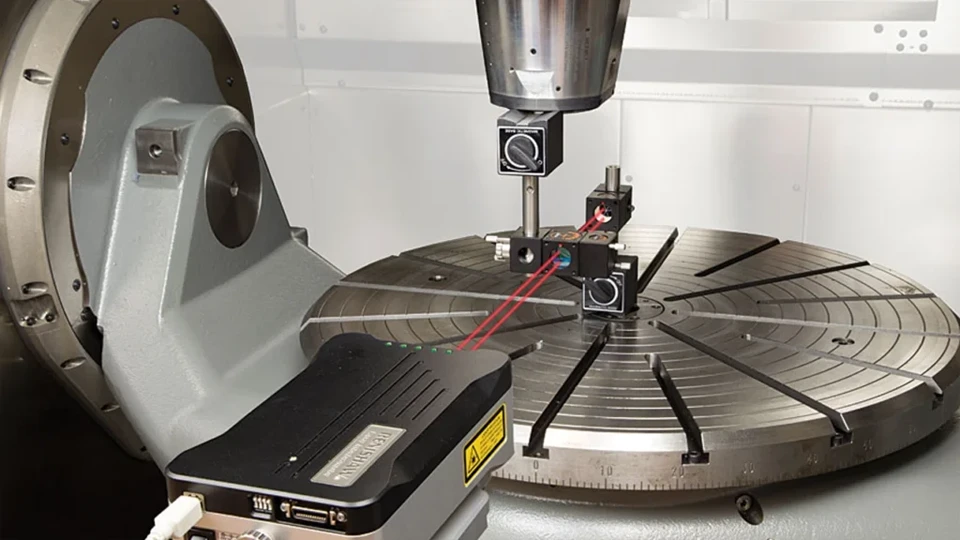
After inspection, the next step is to measure the actual alignment condition of the machine. Precision measurement tools are used to evaluate whether key components maintain the required geometric relationships.
Common measurement methods may include:
- Precision levels
- Dial indicators
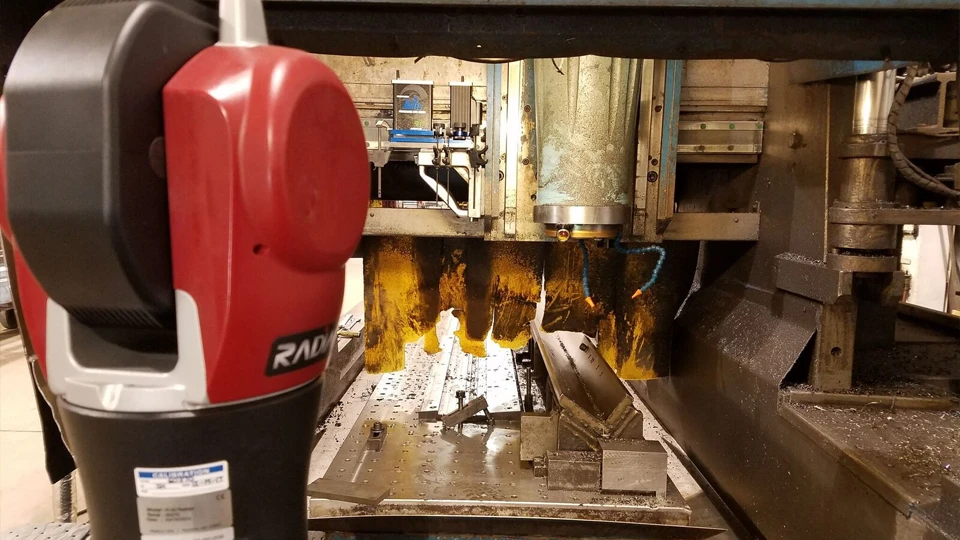
- Laser alignment systems
Technicians typically check factors such as straightness, parallelism, and squareness to identify deviations that may affect machining accuracy.
Adjustment and Verification Process
Once alignment errors are identified, adjustments are made to correct the mechanical deviations. The adjustment process depends on the machine structure and the type of alignment issue.
After adjustments are completed, the machine must be verified again to confirm that the required accuracy has been achieved. This makes machine alignment a continuous process of:
Measurement → Adjustment → Verification
Through this process, CNC machines can maintain stable geometric accuracy and provide more reliable performance during long-term production.
How Often Should CNC Machines Be Aligned?
The required frequency of machine alignment depends on operating conditions, machining requirements, and the condition of the equipment. There is no universal schedule for every CNC machine, so manufacturers usually determine alignment needs based on actual production conditions and machine performance.
Factors Affecting Alignment Frequency
Several factors can influence how often a CNC machine requires alignment checks. Machines operating under heavy workloads or continuous production environments may experience faster changes in mechanical conditions compared with machines used for lighter operations.
Key factors include:
- Machine workload: High-volume production and heavy cutting operations can increase mechanical stress.
- Machining accuracy requirements: Applications requiring tight tolerances may need more frequent accuracy verification.
- Operating environment: Vibration, temperature changes, and foundation conditions can affect long-term machine stability.
- Machine age and maintenance condition: Older equipment may require more regular inspections due to component wear.
Rather than following a fixed timeline, alignment checks should be based on the machine’s working conditions and accuracy requirements.
Signs That a CNC Machine Needs Alignment
In many cases, CNC machines provide warning signs when alignment conditions begin to change. Monitoring these signs can help manufacturers identify issues before they affect production quality.
Common indicators include:
- Declining machining accuracy
- Inconsistent part dimensions
- Increased vibration during operation
- Abnormal tool wear
- Unexpected changes in surface finish
Regular performance monitoring allows manufacturers to address alignment issues earlier, helping maintain stable machining results and avoid unnecessary production interruptions.
Conclusion
Machine alignment is not simply a technical adjustment but a foundation for maintaining CNC machining accuracy, equipment reliability, and long-term production stability. From reducing machining errors and mechanical wear to improving efficiency and protecting equipment investment, proper alignment helps manufacturers achieve more consistent and dependable machining performance.
As a CNC machine manufacturer, Rosnok understands that machine accuracy depends on both advanced technology and solid mechanical design. By focusing on reliable machine structures, precision manufacturing, and stable performance, Rosnok provides CNC solutions that help manufacturers maintain accuracy and achieve efficient production throughout the machine’s service life.