In CNC machining, drilling is often one of the first processes used before tapping, boring, reaming, or final assembly. Its stability affects tool life, chip evacuation, machining rhythm, and production efficiency. For manufacturers working with steel, aluminum, stainless steel, or titanium, understanding drilling helps reduce tool breakage, improve process control, and make hole-making operations more predictable.
This guide explains drilling from a practical CNC machining perspective, covering its definition, working process, common drilling types, industrial applications, and key factors that affect drilling performance and quality.
What is Drilling?
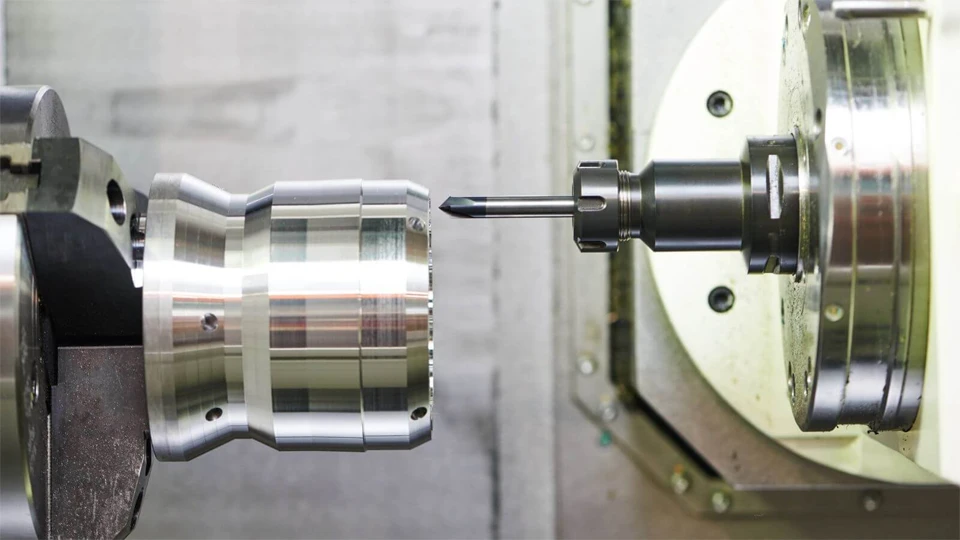
Drilling is a machining process that uses a rotating cutting tool to remove material from a workpiece and create a round hole. The tool, usually called a drill bit, rotates at a controlled speed while feeding into the material along its own axis. As the cutting edges enter the workpiece, material is separated and removed as chips.
Drilling is often used as an early machining step. Many holes need further processing after drilling, such as tapping, boring, reaming, countersinking, or counterboring. For this reason, drilling quality affects not only the hole itself but also the success of later operations.
Although drilling may look simple, it is a controlled cutting process. Good drilling depends on the right tool, stable clamping, suitable cutting conditions, accurate programming, and reliable machine movement. When these factors are properly managed, drilling can produce predictable holes and support efficient production.
How Does the Drilling Process Work?
Workpiece Setup and Tool Positioning
The drilling process starts before the drill touches the material. The workpiece must be fixed securely, and the drill must be aligned with the required position. A stable setup prevents movement, vibration, and location errors during cutting.
The tool then approaches the workpiece from a safe distance. In CNC drilling, this position is usually defined by the program and tool offset. If the setup or positioning is wrong, the hole can be inaccurate before the actual cutting begins.
Tool Rotation and Axial Feed
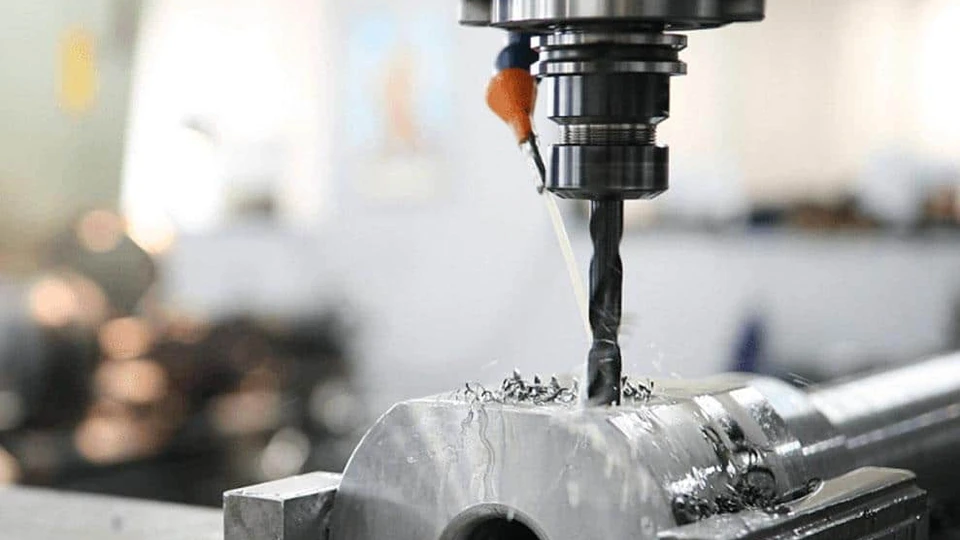
During drilling, the drill rotates while feeding into the workpiece along its own axis. The rotation provides the cutting speed, and the feed motion pushes the cutting edges into the material.
This combination allows the drill tip to remove material from the bottom of the hole. A stable relationship between rotation and feed is important. If either movement is poorly controlled, the drilling process can become unstable.
Chip Formation During Drilling
As the cutting edges enter the material, they shear away small sections of the workpiece. These removed sections become chips. The chips form near the drill tip and move upward through the flutes of the drill.
Smooth chip movement is important during drilling. If chips cannot leave the hole properly, they may increase heat, scratch the hole surface, or disturb the cutting action.
Coolant, Retraction, and Hole Completion
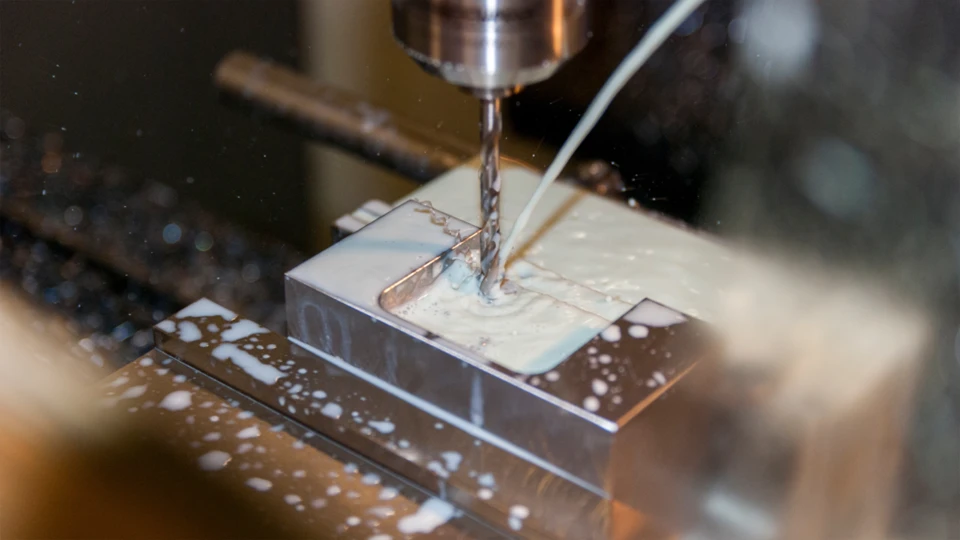
Coolant is often used during drilling to reduce heat, lower friction, and help flush chips away from the cutting zone. This is especially useful when drilling metal materials or deeper holes.
After the drill reaches the required depth, it retracts from the hole. Retraction prevents unnecessary rubbing and prepares the tool for the next hole or the next machining step.
The Role of CNC Control in the Drilling Process
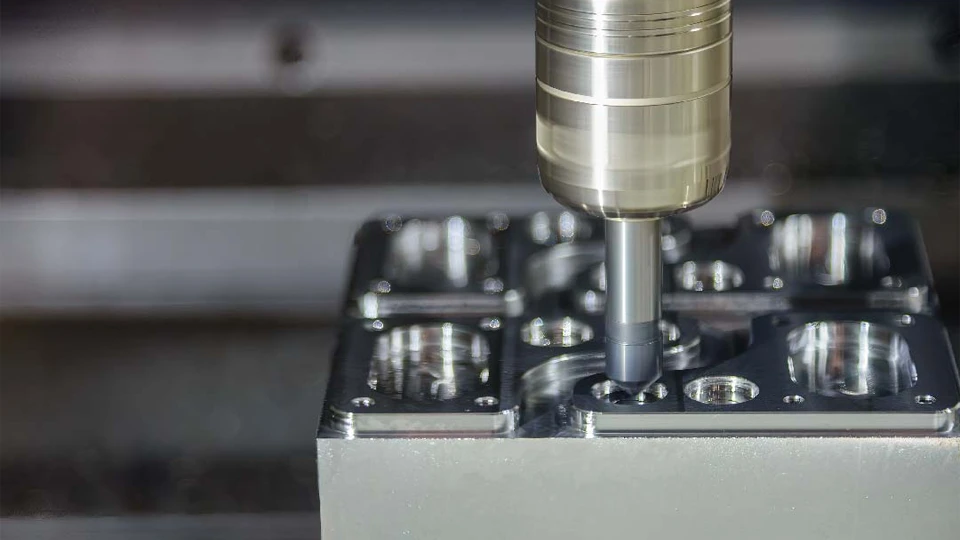
In CNC drilling, the machine controls the drilling sequence through a programmed process. The CNC system manages the tool position, feed movement, spindle rotation, drilling depth, retract height, and operation order.
This control makes drilling more repeatable, especially when many holes must be produced with consistent spacing and depth. CNC drilling cycles can also simplify repeated hole-making operations while reducing dependence on manual movement.
Main Types of Drilling Operations
Through-Hole Drilling
Through-hole drilling creates a hole that passes completely through the workpiece. The drill enters from one side and exits from the opposite side.
This operation is common when a part needs clearance holes, mounting holes, or fastening features. The main point to control is the breakthrough stage, because burrs may form as the drill exits the material.
Blind-Hole Drilling
Blind-hole drilling creates a hole with a controlled depth without cutting through the entire workpiece. The drill stops at a specified depth inside the material.
This type of drilling requires better depth control than through-hole drilling. Chip accumulation at the bottom of the hole also needs attention, especially when the hole is deep or the material produces long chips.
Spot Drilling and Center Drilling
Spot drilling and center drilling are used before the main drilling operation. Their purpose is to create a small starting feature that helps guide the drill.
This reduces drill wandering and improves hole starting accuracy. They are especially useful on uneven, curved, cast, or forged surfaces where a standard drill may not enter the material cleanly.
Peck Drilling
Peck drilling feeds the drill into the material in steps instead of cutting to full depth in one continuous movement. The drill advances, retracts slightly or fully, and then continues deeper.
This method helps break chips and clear them from the hole. It is useful for deeper holes, tougher materials, or situations where chip packing may damage the drill or workpiece.
Deep-Hole Drilling
Deep-hole drilling is used when the hole depth is large compared with the hole diameter. As the hole becomes deeper, chip removal, heat control, and tool straightness become more difficult.
This operation often requires careful process planning, stable machine rigidity, suitable drill design, and effective coolant delivery. Without these controls, the drill may deflect, overheat, or lose cutting stability.
Counterboring and Countersinking
Counterboring and countersinking are secondary hole operations performed after drilling. They modify the entrance of a drilled hole for assembly or fastening needs.
Counterboring creates a flat-bottom enlarged area, usually for a bolt head or cap screw. Countersinking creates a conical seat, often for flat-head screws. Both operations depend on a properly drilled starting hole.
Reaming After Drilling
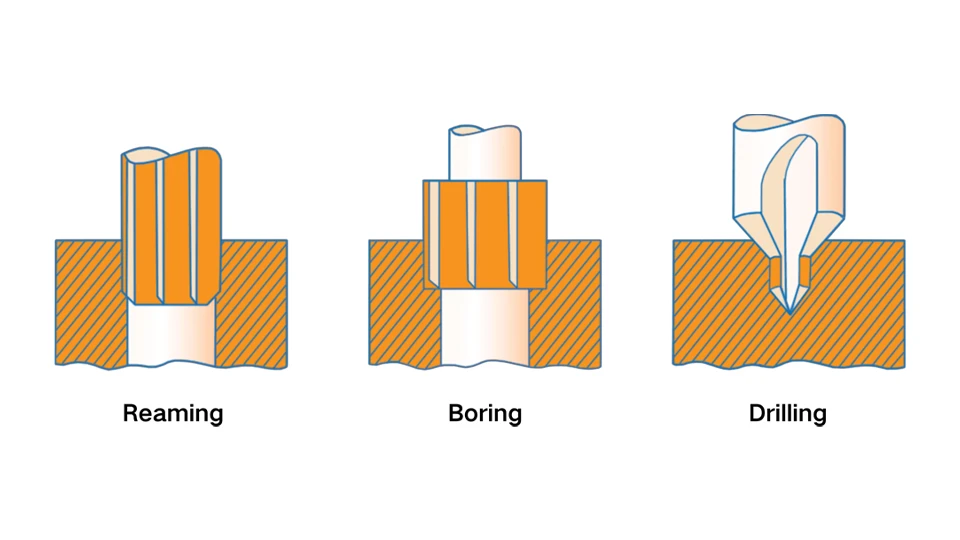
Reaming is not the same as drilling, but it often follows drilling when the hole needs better size accuracy or surface finish. Drilling creates the initial hole, while reaming removes a small amount of material to refine it.
This operation is useful when a standard drilled hole is not accurate enough for the final requirement. In this sense, drilling often prepares the hole, and reaming finishes it.
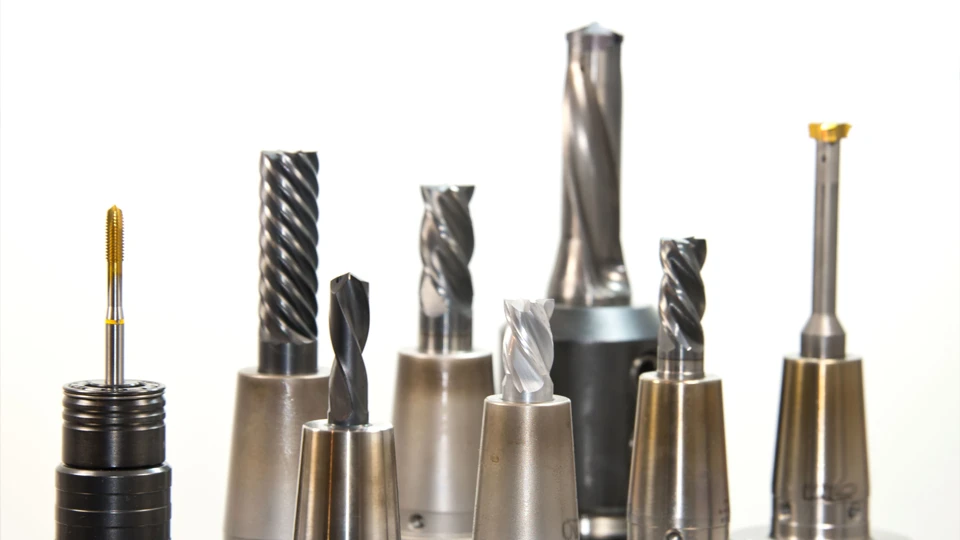
Common Tools Used in Drilling
Twist Drills
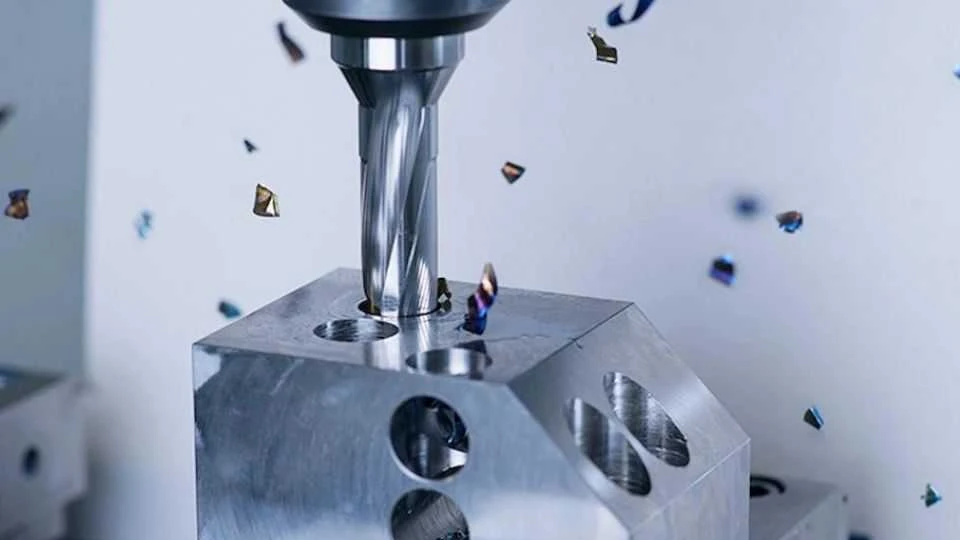
Twist drills are the most common tools used in drilling. They have cutting edges at the tip and helical flutes along the body. The cutting edges remove material, while the flutes help guide chips out of the hole.
They are widely used because they are simple, versatile, and available in many diameters and lengths. For general hole-making in metal parts, twist drills are often the first tool choice.
Spot Drills and Center Drills
Spot drills and center drills are used to prepare the starting point before the main drill enters the workpiece. They help the main drill start in the correct position and reduce tool wandering.
A spot drill usually creates a shallow angled feature on the surface. A center drill can create a more defined center feature, often used in turning or when the workpiece needs center support.
Carbide Drills and Coated Drills
Carbide drills are harder and more wear resistant than standard high-speed steel drills. They are suitable for higher-speed drilling, tougher materials, and production environments where tool life is important.
Coated drills use surface coatings to reduce friction, improve heat resistance, and slow down tool wear. However, carbide and coated drills usually require stable clamping and rigid machine conditions to perform well.
Indexable Drills and Deep-Hole Drills
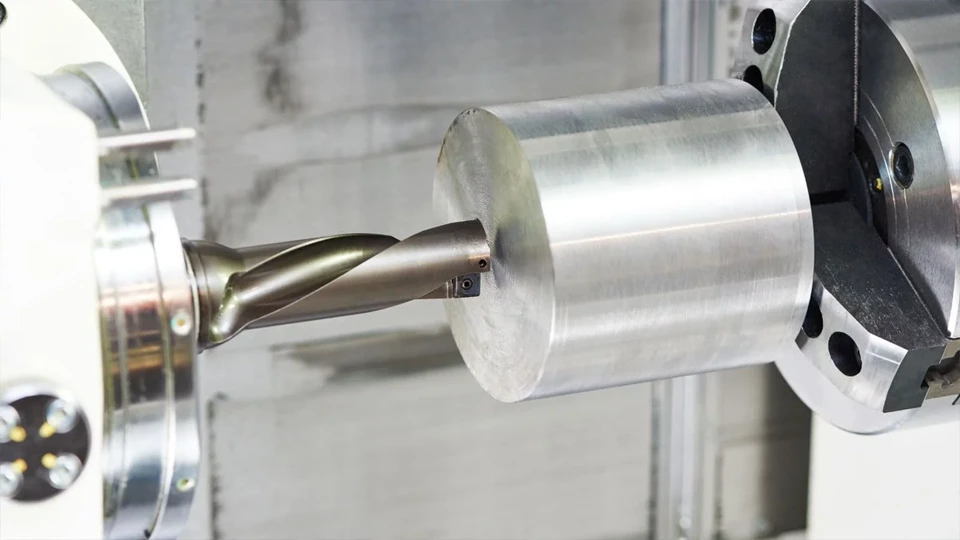
Indexable drills use replaceable cutting inserts instead of a fully solid cutting body. They are often used for larger hole diameters or production drilling where insert replacement is more economical than replacing the whole tool.
Deep-hole drills are designed for holes with a large depth-to-diameter ratio. Their structure helps improve chip evacuation, coolant delivery, and cutting stability when standard drills are no longer efficient.
Reamers, Countersinks, and Counterbores
Reamers, countersinks, and counterbores are often used after drilling. They do not replace the drilling process, but they help complete or improve the drilled hole for specific functional needs.
A reamer improves hole size and surface finish. A countersink creates an angled seat at the hole entrance. A counterbore creates a flat-bottom enlarged area. These tools are usually selected based on the final hole requirement.
Key Parameters in Drilling
Spindle Speed and Cutting Speed
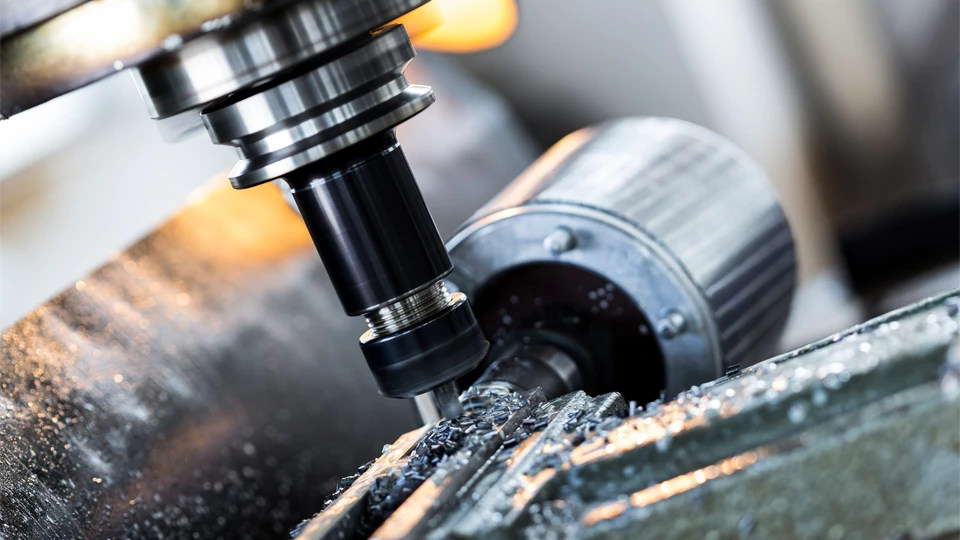
Spindle speed refers to how fast the drill rotates. Cutting speed describes how fast the cutting edge moves against the workpiece material. Together, they affect heat generation, cutting efficiency, and tool wear.
If the speed is too high, the drill may overheat or wear quickly. If it is too low, the tool may rub instead of cutting cleanly. Different materials and tool materials require different speed ranges.
Feed Rate and Feed per Revolution
Feed rate controls how quickly the drill moves into the material. Feed per revolution describes how much the drill advances during each spindle rotation.
A feed that is too aggressive can overload the drill and cause breakage. A feed that is too light can create rubbing, heat, and poor chip formation. Correct feed helps the drill cut steadily and produce manageable chips.
Hole Depth and Peck Depth
Hole depth affects drilling difficulty. A shallow hole may be drilled in one continuous feed, while a deeper hole often requires better chip control and heat management.
Peck depth defines how far the drill feeds before retracting during peck drilling. Smaller pecks improve chip removal but increase cycle time. Larger pecks save time but may increase the risk of chip packing.
Coolant and Lubrication
Coolant helps control heat, reduce friction, and support chip evacuation during drilling. This is especially important when drilling metals that generate high cutting temperatures or produce difficult chips.
Lubrication also reduces tool wear and improves cutting stability. For deeper holes, stronger coolant delivery or through-tool coolant may be needed to move chips out of the cutting zone effectively.
Tool Runout and Machine Rigidity
Tool runout means the drill does not rotate perfectly around its centerline. Excessive runout can create oversized holes, uneven tool wear, poor surface quality, and shorter tool life.
Machine rigidity also affects drilling stability. A rigid spindle, tool holder, fixture, and machine structure help resist vibration and deflection. Even with correct speed and feed, poor rigidity can make drilling inaccurate or unstable.
What Affects Drilling Quality?
Hole Position and Diameter Accuracy
Hole position and diameter accuracy are two basic indicators of drilling quality. Position accuracy shows whether the hole is created in the correct location. Diameter accuracy shows whether the drilled hole matches the required size.
These results are affected by tool alignment, tool wear, workpiece stability, machine movement, and how well the drill starts cutting. If the position or diameter is wrong, later processes such as tapping, reaming, or assembly may also be affected.
Hole Straightness and Surface Finish
Hole straightness describes whether the drilled hole stays aligned through the material. The deeper the hole, the more difficult it is to keep the drill straight, especially if the tool is long, thin, or poorly supported.
Surface finish refers to the condition of the inner wall of the drilled hole. A sharp tool, stable feed, proper speed, and smooth chip flow help create a cleaner surface. If the finish requirement is higher, drilling may need to be followed by reaming or boring.
Burrs, Heat, and Chip Evacuation
Burrs often appear at the hole entrance or exit when material is pushed or torn during cutting. They can affect assembly, safety, and later finishing work.
Heat and chip evacuation also strongly influence drilling quality. Excessive heat accelerates tool wear, while trapped chips can scratch the hole surface or damage the cutting edge. Good drilling control keeps heat and chips under control.
Tool Wear and Process Stability
As a drill wears, the cutting edge becomes less sharp. This can increase cutting force, heat, vibration, and hole size variation. Even if the same program is used, the drilling result may gradually change as the tool condition declines.
Stable drilling requires consistent tool condition, secure clamping, suitable cutting parameters, and predictable chip removal. When these factors remain stable, hole quality becomes easier to control across repeated production.
Why Machine Rigidity Matters in Drilling Quality
Drilling creates axial force as the tool feeds into the workpiece. If the machine, fixture, spindle, or tool holder lacks rigidity, vibration and deflection may occur.
Poor rigidity can lead to inaccurate holes, rough surfaces, faster tool wear, and unstable cutting. A rigid setup helps the drill stay aligned, absorb cutting force, and maintain consistent drilling quality.
Common Drilling Problems and How to Reduce Them
Drill Breakage
- Problem: The drill suddenly fractures or snaps during the cutting cycle.
- Possible Causes: Excessive feed rates, severe chip packing at the bottom of the hole, operating a severely dull tool, inadequate workpiece clamping, or improper coolant application.
- How to Reduce It: Optimize the feed rate for the specific material, implement a peck drilling cycle for deeper holes to prevent packing, ensure tool holders are rigid, and supply adequate coolant to flush out chips.
Poor Chip Evacuation
- Problem: Chips fail to exit the flutes, packing tightly inside the hole.
- Possible Causes: Machining exceptionally deep holes without pecking, using an incorrect drill flute geometry, insufficient coolant pressure, or generating long, continuous chips in ductile materials.
- How to Reduce It: Program appropriate peck drilling depths to break the chips, select drills with optimized flute profiles, and utilize high-pressure or through-tool coolant to forcefully clear the cavity.
Oversized or Inaccurate Holes
- Problem: The final hole diameter exceeds specified tolerances, or the center coordinate shifts.
- Possible Causes: Excessive tool runout, a heavily worn drill tip, an inaccurate starting surface, loose fixturing, or inherent spindle error.
- How to Reduce It: Utilize a spot drill to establish a true center, switch to high-precision holders to minimize runout, verify fixture stability, and plan for secondary boring or reaming operations if the tolerance is exceptionally tight.
Burr Formation
- Problem: Unwanted raised material edges (burrs) remain at the hole’s entry or exit points.
- Possible Causes: Cutting with a dull edge, applying too high a feed rate precisely at the breakthrough point, machining highly ductile metals, or lacking physical backing support on through-holes.
- How to Reduce It: Maintain sharp cutting tools, program a feed reduction just before the drill exits the material, utilize solid backing plates, or incorporate a secondary chamfering tool to cleanly remove the burr.
Poor Surface Finish
- Problem: The internal walls of the drilled hole appear rough, torn, or deeply scratched.
- Possible Causes: Advanced tool wear, trapped chips aggressively rubbing against the wall, mechanical vibration, inappropriate feed rates, or a lack of lubricity in the coolant.
- How to Reduce It: Promptly replace worn tools, ensure high-volume coolant clears abrasive chips immediately, stabilize the clamping setup to eliminate chatter, or introduce a finishing reamer for critical surface requirements.
Short Tool Life
- Problem: The drill’s cutting edges degrade far faster than standard production expectations.
- Possible Causes: Running at an excessively high spindle speed, applying inadequate coolant, machining hardened materials with incorrect tool grades, or selecting an incompatible tool coating.
- How to Reduce It: Strictly match the tool substrate (e.g., solid carbide) and advanced coating to the specific workpiece material, dial back the cutting speed to reduce thermal shock, and implement routine tool wear monitoring.
Drilling vs Other Hole-Machining Processes
Drilling vs Boring
Drilling creates an initial hole by feeding a rotating drill into the workpiece. It is usually the first hole-making process when material must be removed from solid stock.
Boring is used after a hole already exists. Its main purpose is to enlarge the hole, improve diameter accuracy, correct alignment, or achieve better roundness. In short, drilling creates the hole, while boring improves it.
Drilling vs Reaming
Drilling removes material quickly to form a hole, but the result may not always meet tight size or surface finish requirements.
Reaming is a finishing process used after drilling. It removes only a small amount of material to improve hole diameter accuracy and inner surface quality. Drilling is for initial hole creation; reaming is for refinement.
Drilling vs Tapping
Drilling and tapping often work together, but they are not the same process. Drilling creates the hole first.
Tapping creates internal threads inside that drilled hole. The drilled diameter must be correct before tapping, because a hole that is too small may break the tap, while a hole that is too large may produce weak threads.
Drilling vs Milling
Drilling mainly uses axial feed. The drill rotates and moves straight into the material to create a round hole.
Milling is more flexible. A milling cutter can machine flat surfaces, slots, pockets, contours, and complex shapes. While some milling tools can plunge into material, standard drilling is usually more efficient for producing regular round holes.
When Should Drilling Be Followed by Another Process?
Drilling may be enough for general clearance holes or non-critical holes. However, if the hole needs threads, better accuracy, smoother finish, or a special entrance shape, another process is usually added.
Common process chains include drilling plus tapping for internal threads, drilling plus reaming or boring for precision holes, and drilling plus countersinking or counterboring for fastener seating.
Applications of Drilling in CNC Machining
Automotive Manufacturing
In automotive manufacturing, drilling is used in parts such as engine blocks, transmission housings, brackets, wheel components, and mounting structures. These parts often require repeated hole-making operations with stable position and depth.
Drilling may also prepare holes for threads, oil passages, or later assembly. Because automotive production often involves high volume, drilling must be efficient, repeatable, and easy to control.
Aerospace Components
In aerospace manufacturing, drilling is used on structural parts, lightweight alloy components, engine-related parts, and precision mounting features. These parts often require stable drilling because small errors can affect assembly quality and part reliability.
Aerospace drilling usually places high demands on accuracy, burr control, surface condition, and process consistency. The goal is not only to create a hole, but to keep the drilling result predictable.
Oil and Gas Parts
Oil and gas parts often involve drilling in valve bodies, flanges, pipe fittings, connectors, and fluid passage components. These workpieces may be large, heavy, or made from tougher materials.
Drilling in this field is often connected with thread preparation, sealing surfaces, and internal flow channels. Stable drilling helps support reliable connection, pressure resistance, and later machining steps.
Medical and Precision Components
Medical and precision components may require drilling on surgical instruments, implants, small shafts, housings, or titanium parts. These applications often involve small features, tight tolerances, and sensitive surfaces.
In this area, drilling must control burrs, heat, and tool wear carefully. A poor drilling process can affect surface quality, fitting accuracy, and the reliability of the finished component.
Mold, Die, and General Machinery Parts
In mold and die manufacturing, drilling is used for cooling channels, ejector pin holes, screw holes, and locating features. These holes often support later assembly, cooling performance, or mold movement.
In general machinery, drilling is widely used on frames, base plates, fixtures, and mechanical components. It is often combined with milling, boring, tapping, and surface machining to complete functional metal parts.Applications of Drilling in CNC Machining
Automotive Manufacturing
In automotive manufacturing, drilling is used in parts such as engine blocks, transmission housings, brackets, wheel components, and mounting structures. These parts often require repeated hole-making operations with stable position and depth.
Drilling may also prepare holes for threads, oil passages, or later assembly. Because automotive production often involves high volume, drilling must be efficient, repeatable, and easy to control.
Aerospace Components
In aerospace manufacturing, drilling is used on structural parts, lightweight alloy components, engine-related parts, and precision mounting features. These parts often require stable drilling because small errors can affect assembly quality and part reliability.
Aerospace drilling usually places high demands on accuracy, burr control, surface condition, and process consistency. The goal is not only to create a hole, but to keep the drilling result predictable.
Oil and Gas Parts
Oil and gas parts often involve drilling in valve bodies, flanges, pipe fittings, connectors, and fluid passage components. These workpieces may be large, heavy, or made from tougher materials.
Drilling in this field is often connected with thread preparation, sealing surfaces, and internal flow channels. Stable drilling helps support reliable connection, pressure resistance, and later machining steps.
Medical and Precision Components
Medical and precision components may require drilling on surgical instruments, implants, small shafts, housings, or titanium parts. These applications often involve small features, tight tolerances, and sensitive surfaces.
In this area, drilling must control burrs, heat, and tool wear carefully. A poor drilling process can affect surface quality, fitting accuracy, and the reliability of the finished component.
Mold, Die, and General Machinery Parts
In mold and die manufacturing, drilling is used for cooling channels, ejector pin holes, screw holes, and locating features. These holes often support later assembly, cooling performance, or mold movement.
In general machinery, drilling is widely used on frames, base plates, fixtures, and mechanical components. It is often combined with milling, boring, tapping, and surface machining to complete functional metal parts.
Conclusion
Drilling may look like one of the simplest machining processes, but its influence runs through the entire manufacturing chain. A stable drilling process supports accurate hole creation, smoother follow-up operations, better tool life, and more predictable production results. From tool selection and cutting parameters to chip evacuation and process control, every detail can affect the final quality of the workpiece.
Consistently achieving this standard requires equipment built to withstand the relentless demands of continuous machining. As a specialized manufacturer of advanced CNC machines, Rosnok engineers machining centers specifically designed to deliver the immense structural rigidity and thermal stability essential for flawless drilling. By relying on this capable infrastructure, modern factories can confidently turn rigorous cutting parameters into profitable, uncompromising part quality.