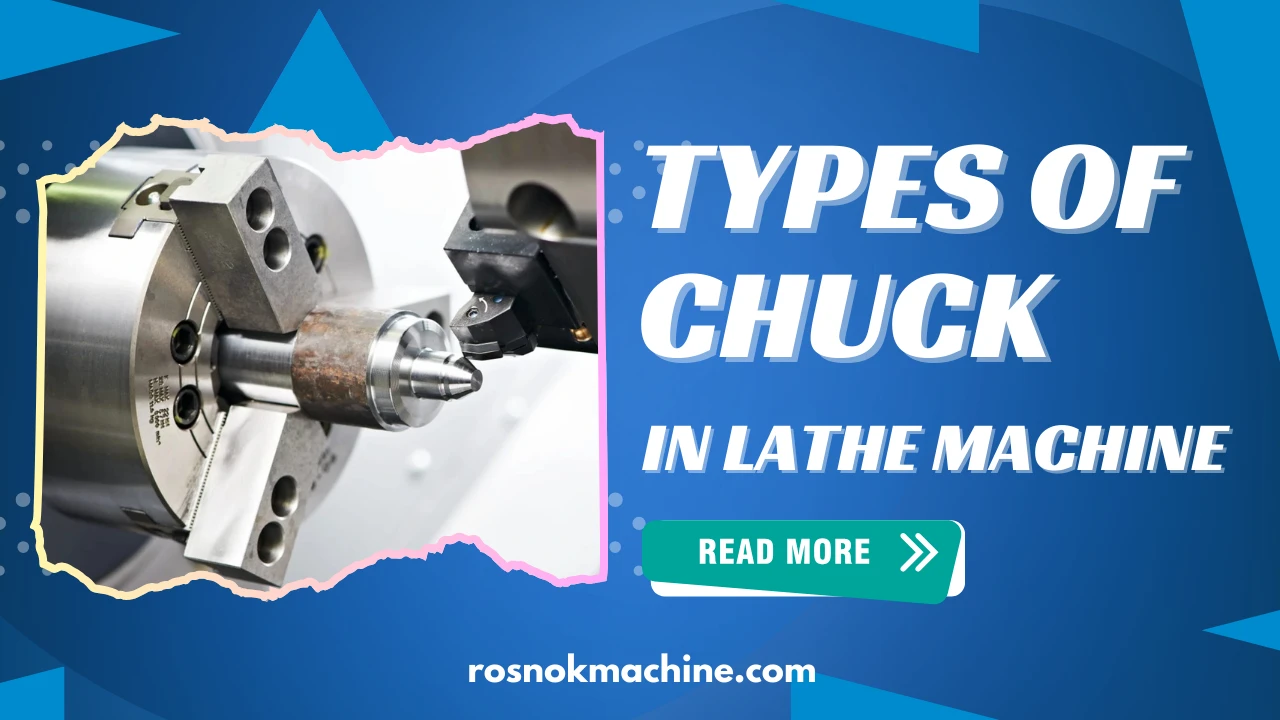
Types of Chuck: Classified by Jaw Configuration
One of the most fundamental ways to classify lathe chucks is by jaw configuration, which determines how the workpiece is held, centered, and supported. Different jaw designs offer varying levels of grip force, concentricity, and flexibility in clamping irregular shapes. From 2-jaw systems for eccentric parts to 6-jaw chucks for high-precision applications, each type serves a unique role in modern machining. In this section, we’ll explore the most commonly used jaw configurations and how they impact performance in turning operations.
2-Jaw Chuck
Overview
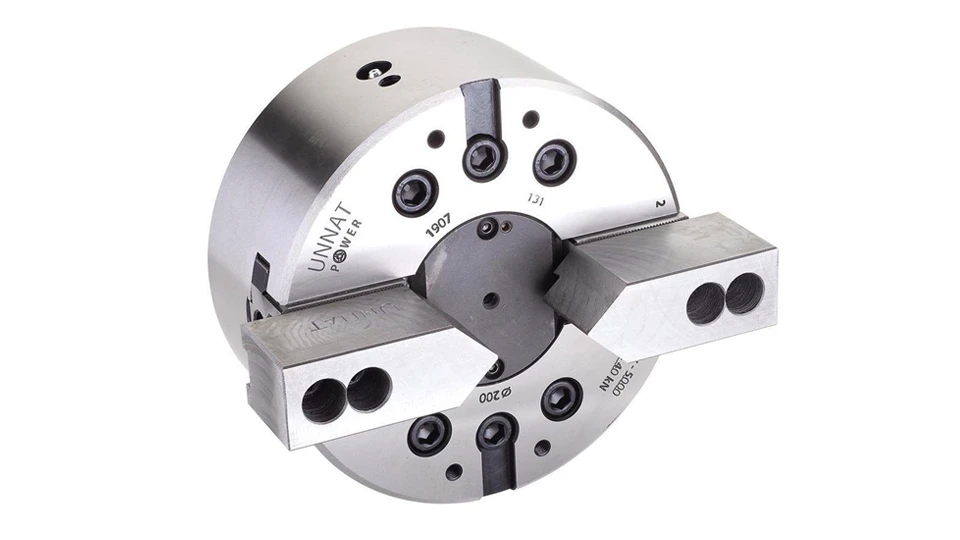
A 2-jaw chuck is a type of lathe chuck specifically designed to hold irregular, non-cylindrical, or asymmetrical workpieces—such as square bars, flat plates, or elliptical parts. Unlike the more common 3-jaw or 4-jaw versions, it uses only two opposing jaws to clamp the workpiece from two sides. This configuration makes it ideal for applications where traditional self-centering chucks would struggle to grip securely.
Structurally, the jaws are mounted in linear guide slots and move in parallel—either manually by turning a key, or automatically through hydraulic or pneumatic actuation. Depending on the mechanism, the jaws may be connected to a scroll plate, wedge system, or sliding cam. The movement is synchronous, but without radial symmetry, so it does not offer self-centering. As a result, the workpiece often needs to be aligned manually or using external stops or fixtures.
The simplicity of the 2-jaw system also makes it durable and adaptable. With soft jaws, machinists can custom-machine the gripping surface to match specific part geometries, increasing stability and reducing vibration during turning. In automated systems, hydraulic or pneumatic variants ensure fast, repeatable clamping for non-round components.
Key Features
- Excellent for irregular or non-round parts such as square bars, castings, and elliptical components
- Simple construction with fewer jaws reduces complexity and improves durability
- High flexibility in off-center machining, angular indexing, and clamping of asymmetrical parts
- Available in manual, hydraulic, and pneumatic versions depending on production needs
- Not self-centering, so alignment must be managed manually or with fixtures
- Soft jaws can be customized to improve gripping surface contact
Applicable Scenarios
2-jaw chucks are ideal in industries where non-cylindrical parts are frequent, such as:
- Foundries and casting operations – for holding raw or irregular shapes
- Oil & gas – clamping flanges, connectors, and asymmetrical pipe fittings
- General fabrication shops – for one-off custom jobs requiring special holding solutions
- Aerospace and automotive prototype departments, where flexible fixturing is key
Because of its simplicity and adaptability, the 2-jaw chuck is a valuable solution for low- to medium-volume production, off-center turning, and parts without a true axis of rotation.
3-Jaw Self-Centering Chuck
Overview
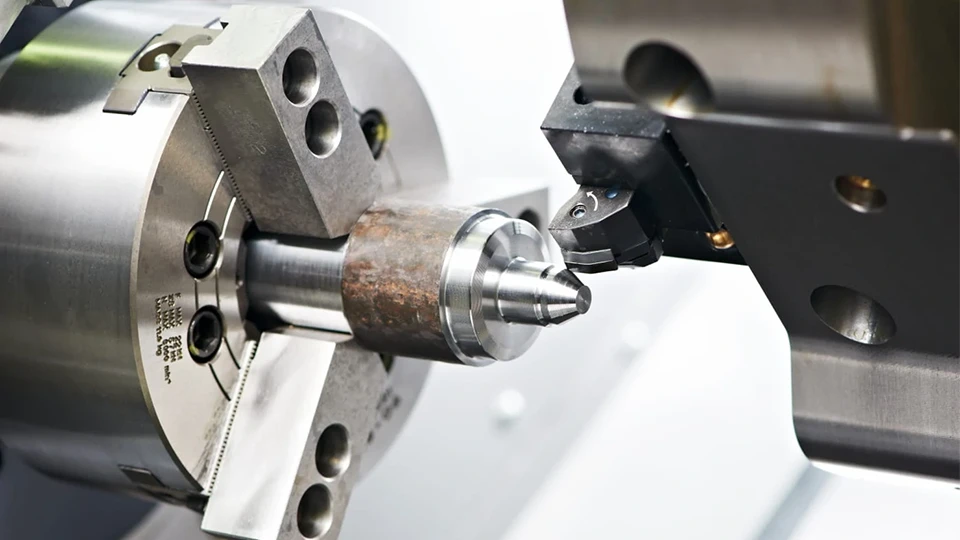
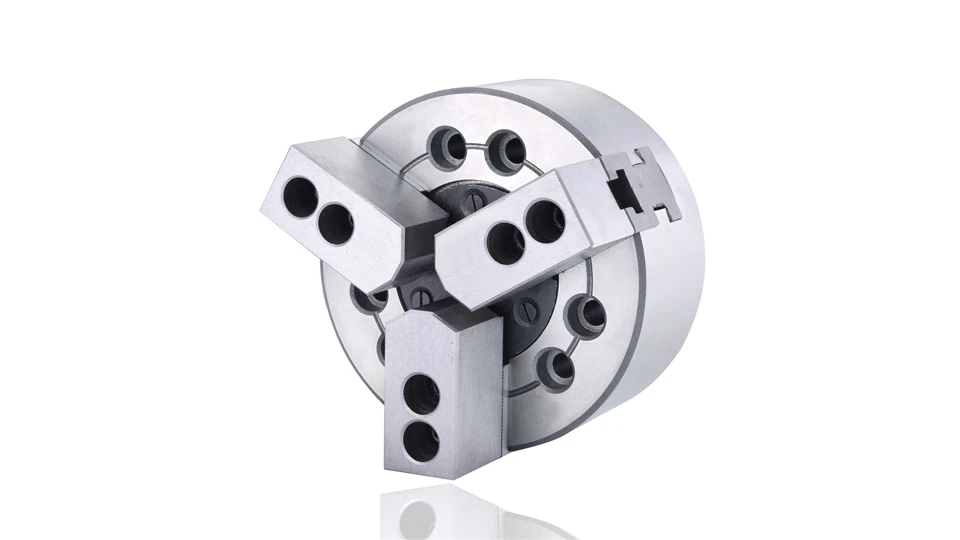
The 3-jaw self-centering chuck is the most commonly used chuck in general-purpose lathe operations. It features three jaws that move simultaneously and symmetrically, automatically centering the workpiece as they close. This design is ideal for holding round or hexagonal workpieces, such as bars, shafts, and disks, and is widely used in both manual and CNC lathes.
The jaws are mounted in spiral scroll grooves within the chuck body. When the scroll plate is turned—either by a chuck key in manual models or by a power actuator in hydraulic or pneumatic versions—the grooves engage with the jaw teeth, moving all three jaws inward or outward in perfect synchrony. This mechanism enables quick clamping and reduces the need for manual alignment.
While the self-centering feature improves efficiency and setup speed, it sacrifices some flexibility. Because all jaws move together, the chuck cannot hold irregular or asymmetrical workpieces without additional fixtures. However, with soft jaws and careful preparation, it can still achieve high repeatability and good concentricity for most production needs.
Key Features
- Self-centering design for quick and accurate positioning
- Ideal for round or hexagonal workpieces
- Widely compatible with both manual and CNC lathes
- Available in manual, hydraulic, and pneumatic versions
- Soft jaws can be machined for better concentricity
- Not suitable for irregular or off-center parts
Applicable Scenarios
3-jaw self-centering chucks are ideal for holding symmetrical round or hexagonal parts in a wide range of industries, including:
- High-volume turning of cylindrical bars and disks
- Bearing housing and bushing production
- Automotive shaft and gear blank production
- Flange and disk component machining
This chuck type remains a shop-floor staple due to its speed, accuracy, and simplicity in handling standardized parts.
4-Jaw Independent Chuck
Overview
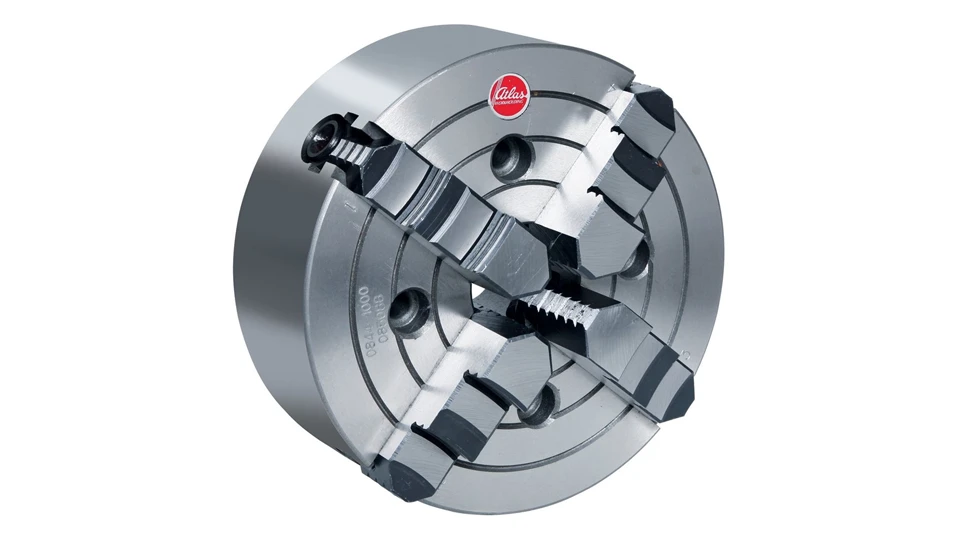
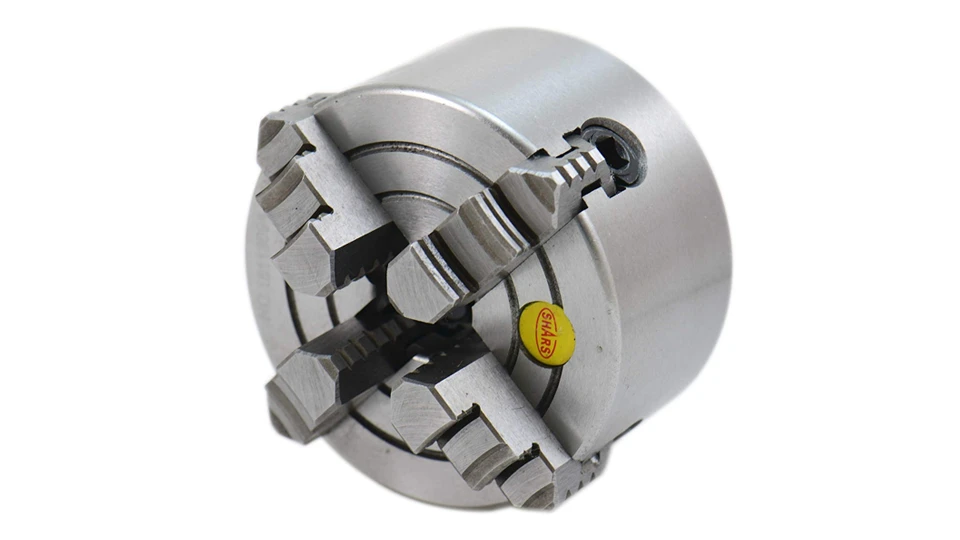
The 4-jaw independent chuck is a versatile lathe chuck designed with four jaws that operate independently of one another. Each jaw can be adjusted separately, allowing for precise centering of irregular, square, rectangular, or asymmetrical workpieces. This flexibility makes it especially useful for jobs that require off-center turning or complex setups.
Structurally, each jaw slides within its own radial slot on the chuck body and is driven by an individual lead screw. Unlike the scroll mechanism used in self-centering chucks, the 4-jaw design lacks a common synchronizing component, so the operator manually adjusts each jaw using a chuck wrench. While this increases setup time, it also provides a high level of control and adaptability that few other chuck types can match.
Because each jaw can be positioned freely, the 4-jaw chuck can be used to deliberately offset the workpiece for eccentric turning, a task not possible with self-centering designs. Additionally, this chuck can securely grip both round and irregularly shaped materials with excellent holding force, making it indispensable in toolrooms, repair shops, and precision machining environments.
Key Features
- Independent jaw movement allows for clamping of irregular, square, or asymmetrical shapes
- Enables eccentric or off-center turning operations
- Provides higher clamping force compared to self-centering chucks
- Suitable for both internal and external clamping
- Requires manual setup and alignment, increasing operator skill demand
- Offers excellent versatility across low- to medium-volume production
Applicable Scenarios
The 4-jaw independent chuck is ideal in applications where flexibility and precision are more important than setup speed. Typical use cases include:
- Machining of square or rectangular stock
- Turning of irregular castings or forged parts
- Eccentric shaft or cam turning
- Custom fixturing and one-off prototypes
- Maintenance and repair operations requiring unique setups
For complex parts or precision custom machining, the 4-jaw independent chuck provides a high level of control and adaptability that few other chuck types can match.
6-Jaw Chuck
Overview
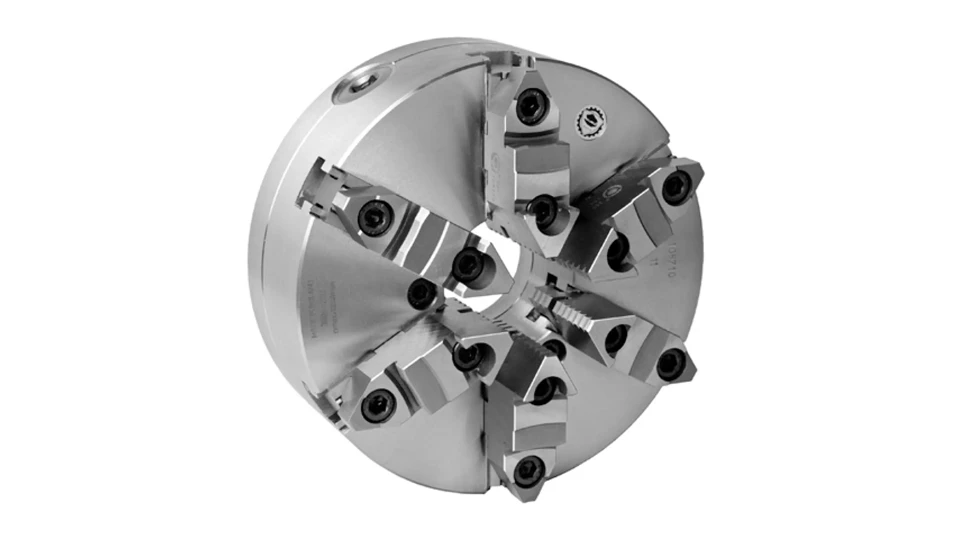
The 6-jaw chuck is a precision lathe chuck featuring six equally spaced jaws that move simultaneously in a self-centering motion. This design distributes clamping force more evenly across the workpiece compared to 3-jaw chucks, significantly reducing the risk of deformation. As a result, it is particularly well-suited for thin-walled tubes, high-precision rings, and other cylindrical components with tight tolerance requirements—especially in industries such as aerospace, medical, and high-end automotive manufacturing.
Structurally, the chuck operates on a scroll mechanism similar to a 3-jaw chuck, where all six jaws are driven together by a central scroll plate. The increased number of jaws provides greater radial support, enhancing both concentricity and stability. Some versions also allow for soft jaws to be machined for custom gripping profiles, further improving accuracy and workpiece protection.
6-jaw chucks are typically available in manual and hydraulic configurations and are most commonly used on CNC lathes designed for high-speed finishing and precision applications.
Key Features
- Six jaws provide more uniform clamping pressure and better concentricity
- Ideal for thin-walled or deformation-sensitive parts
- Reduces the risk of crushing or distorting delicate materials
- Available in manual and hydraulic versions
- Supports high-speed precision machining
- Often used with soft jaws for custom profiles
Applicable Scenarios
6-jaw chucks are ideal for high-precision applications where both stability and minimal distortion are critical. Common use cases include:
- Thin-walled pipe and tubing clamping
- High-precision aerospace components
- Medical implants and surgical instruments
- Optical and electronic device housings
- High-tolerance finishing of cylindrical parts
Types of Chuck: Classified by Clamping Mechanism
Lathe chucks are also classified by the way they generate clamping force. Unlike jaw configuration—which affects the shape and centering method of the workpiece—the clamping mechanism determines how the jaws are actuated: manually, through fluid pressure, or by electric power. Each method has its own advantages in terms of speed, consistency, force control, maintenance, and suitability for automation. Understanding their differences helps identify the right system for specific machining requirements and production environments.
Manual Chuck
Overview
A manual chuck is the most traditional and widely used clamping mechanism in lathe machines, especially in low-to-medium volume production or toolroom environments. It relies on human operation to tighten or loosen the jaws using a T-handle or chuck key. The mechanism typically consists of a scroll plate and gear teeth that engage with the jaws to move them inward or outward synchronously (in self-centering chucks) or independently (in 4-jaw chucks).
Manual chucks come in a variety of configurations—most commonly 3-jaw self-centering and 4-jaw independent types. They are valued for their simplicity, reliability, and ease of maintenance. Because no hydraulic or pneumatic systems are involved, manual chucks are easy to install and repair, and require no additional power source.
While they offer slower operation and require more operator involvement, manual chucks provide excellent tactile feedback and allow for more flexible adjustments, which can be advantageous in custom or one-off jobs.
Key Features
- Operated manually using a chuck key or T-handle
- Commonly available in 2-jaw, 3-jaw, and 4-jaw variants
- Cost-effective and easy to maintain
- Suitable for general-purpose or low-volume machining
- Allows for fine control and custom adjustments
- No need for external power supply or complex systems
Applicable Scenarios
Manual chucks are best suited for operations where simplicity and cost-efficiency are key. Typical use cases include:
- Maintenance and repair workshops
- Toolrooms and small production runs
- Machining centers in educational or training facilities
- One-off prototyping and custom fixturing
- Environments with limited access to power or automation systems
Because of their adaptability and ease of use, manual chucks remain a staple in both traditional and modern machining setups where flexibility is more critical than speed.
Hydraulic Chuck
Overview
A hydraulic chuck is a high-performance clamping system widely used in automated CNC machining environments. It uses pressurized hydraulic fluid to actuate internal pistons that move the chuck jaws with consistent and powerful force. Unlike manual chucks, hydraulic versions offer rapid, repeatable clamping with minimal operator intervention—ideal for high-volume, high-speed production lines.
Internally, a hydraulic cylinder is integrated into the chuck or connected through the spindle. When fluid is pumped into the cylinder, it drives a piston or wedge system that either opens or closes the jaws. Because of the fluid-driven mechanism, the clamping force is uniform and easily adjustable via the hydraulic pressure setting. This ensures precise workholding, even under high-speed rotation and heavy cutting loads.
Hydraulic chucks are commonly found on CNC lathes and turning centers where precision, consistency, and operational efficiency are required. Most models support both 2-jaw and 3-jaw self-centering designs, with some offering quick-change jaws or soft jaw customization for specialized tasks.
Key Features
- Powered by hydraulic pressure for fast and consistent clamping
- Ideal for high-speed, high-volume CNC operations
- Provides uniform clamping force with excellent repeatability
- Supports automation and unmanned production environments
- Compatible with quick-change jaw systems
- Requires external hydraulic system and regular maintenance
Applicable Scenarios
Hydraulic chucks are widely used in advanced manufacturing facilities where performance, repeatability, and automation are priorities. Common scenarios include:
- High-volume CNC turning of precision components
- Automotive part production lines
- Aerospace component machining
- Continuous multi-shift operations requiring reliable, automated clamping
- Complex geometries where uniform pressure prevents part distortion
By combining speed, strength, and automation-readiness, hydraulic chucks are the go-to solution for demanding production environments.
Pneumatic Chuck
Overview
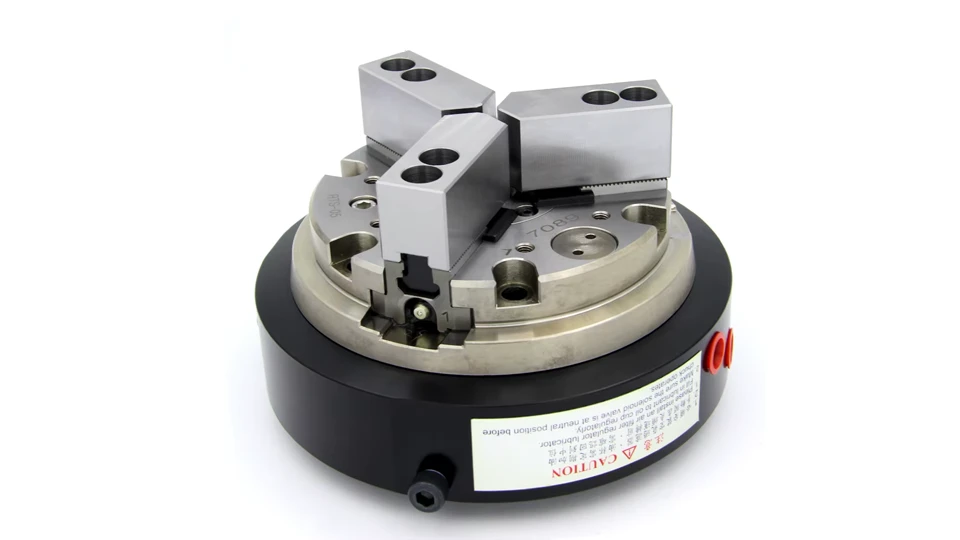
A pneumatic chuck operates using compressed air to actuate the jaws, offering fast, consistent, and repeatable clamping. It functions similarly to a hydraulic chuck but uses air pressure instead of hydraulic fluid, making it cleaner, easier to maintain, and well-suited for medium-duty applications.
Inside the chuck body, an air cylinder is used to move pistons or wedge mechanisms that open or close the jaws. When air pressure is applied, the piston pushes the internal linkage system to actuate the jaws, typically in a synchronized manner. Pneumatic chucks are commonly found in automated or semi-automated machining setups, especially where high-speed clamping and unclamping cycles are needed.
While pneumatic chucks generally deliver lower clamping force compared to hydraulic versions, they offer faster actuation and are sufficient for many light-to-medium machining tasks. They’re commonly available in 2-jaw or 3-jaw configurations, and often paired with quick-change jaws to enhance flexibility.
Key Features
- Uses compressed air for fast jaw actuation
- Cleaner and easier to maintain than hydraulic systems
- Suitable for light to medium machining applications
- Enables high-speed clamping/unclamping cycles
- Ideal for integration with automated systems
- Requires air compressor and pressure regulation unit
Applicable Scenarios
Pneumatic chucks are ideal in production environments focused on speed, cleanliness, and moderate clamping force. Common applications include:
- Electronics and small parts machining
- High-speed batch processing of light materials
- Automated CNC lathes in clean production areas
- Small-to-medium scale manufacturing lines
- Flexible production setups with quick changeovers
With their simplicity, speed, and low maintenance demands, pneumatic chucks strike a balance between performance and operational efficiency in many modern workshops.
Electric Chuck
Overview
An electric chuck is a modern clamping system that uses an electric motor or actuator to control jaw movement. Unlike hydraulic or pneumatic systems that rely on fluid or air pressure, electric chucks provide direct, programmable control over clamping operations through a servo or stepper motor. This allows for precise, energy-efficient, and clean workholding—making it ideal for high-tech machining environments.
Internally, the electric chuck uses a motor-driven mechanism such as a gear train, cam system, or ball screw to open and close the jaws. The motion can be finely tuned in terms of force, speed, and jaw position via CNC programming or machine controls. Some electric chucks also incorporate force feedback and safety interlocks, enhancing automation and process control.
Electric chucks are most suitable for applications requiring intelligent clamping, low energy consumption, and data integration. While they may not deliver the raw clamping power of hydraulic systems, they excel in precision and operational transparency.
Key Features
- Motor-driven jaw actuation with programmable control
- Clean, oil-free operation suitable for sensitive environments
- High positioning accuracy and force control
- Energy-efficient with minimal maintenance
- Easily integrated into smart manufacturing systems
- Best for light-to-medium clamping force requirements
Applicable Scenarios
Electric chucks are increasingly popular in smart factories and clean manufacturing applications where precision and efficiency are paramount. Typical use cases include:
- Electronics and semiconductor part machining
- Medical device manufacturing
- Smart CNC lines with force feedback and safety control
- Automated, unattended machining requiring system feedback
- Environments with strict cleanliness or energy regulations
With their advanced control capabilities and clean operation, electric chucks represent the next step in precision clamping for Industry 4.0 manufacturing.
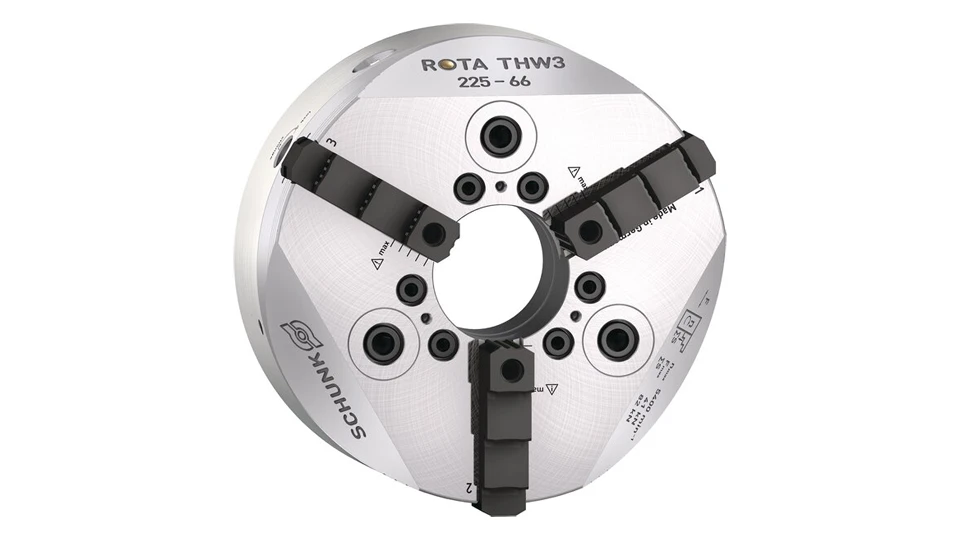
Other Common Types of Lathe Chucks
Beyond jaw configuration and clamping mechanism, there are additional chuck types designed for specific workholding needs in metal machining. These chucks serve specialized functions—such as high-speed collet clamping or hybrid jaw operation—providing machinists with enhanced precision, flexibility, and adaptability. In this section, we’ll cover several widely used chuck types that fall outside the conventional categories but are indispensable in many CNC and manual turning applications.
Collet Chuck
Overview
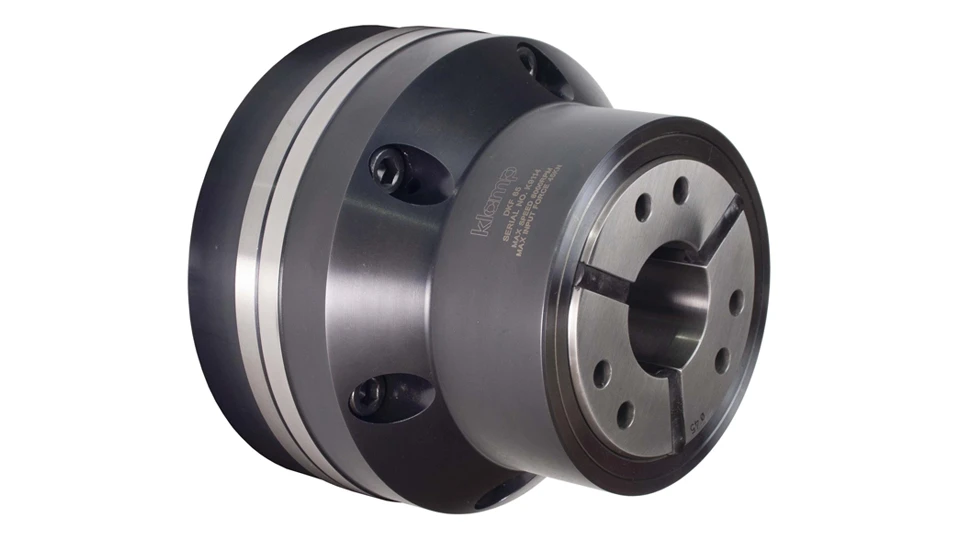
A collet chuck is a high-precision workholding device that uses a segmented sleeve—called a collet—to grip the workpiece. The collet contracts uniformly around the part when drawn into a tapered seat, providing concentric, full-surface contact that minimizes runout and deformation. Collet chucks are particularly well-suited for holding small-diameter, round workpieces in high-speed turning, milling, or grinding operations.
Structurally, the system consists of a collet, a taper, and a draw mechanism. When actuated—manually or automatically—the drawbar pulls the collet into the taper, causing it to clamp down around the workpiece with uniform radial force. Collets come in various sizes and shapes, including round, hexagonal, and square profiles, making them extremely versatile for repetitive, high-precision clamping.
Due to their minimal setup time and high concentricity, collet chucks are often used in Swiss-type lathes, CNC turning centers, and high-speed machining lines.
Key Features
- Provides full 360° contact for superior concentricity
- Ideal for small, round, or delicate workpieces
- Minimal runout and excellent repeatability
- Fast clamping/unclamping for high-volume automation
- Available in manual, pneumatic, and hydraulic actuation
- Compatible with a wide range of collet sizes and shapes
Applicable Scenarios
Collet chucks are preferred when precision and speed are critical, especially with small parts. Common applications include:
- Bar feeding operations on Swiss-type CNC lathes
- High-speed turning of medical, aerospace, and electronics parts
- Finishing operations for shafts, pins, and fasteners
- Micro-machining and tooling production
- Automated lines requiring fast cycle times with minimal setup
Collet chucks deliver the ideal combination of precision and efficiency in environments that demand speed without compromising quality.
Combination Chuck
Overview
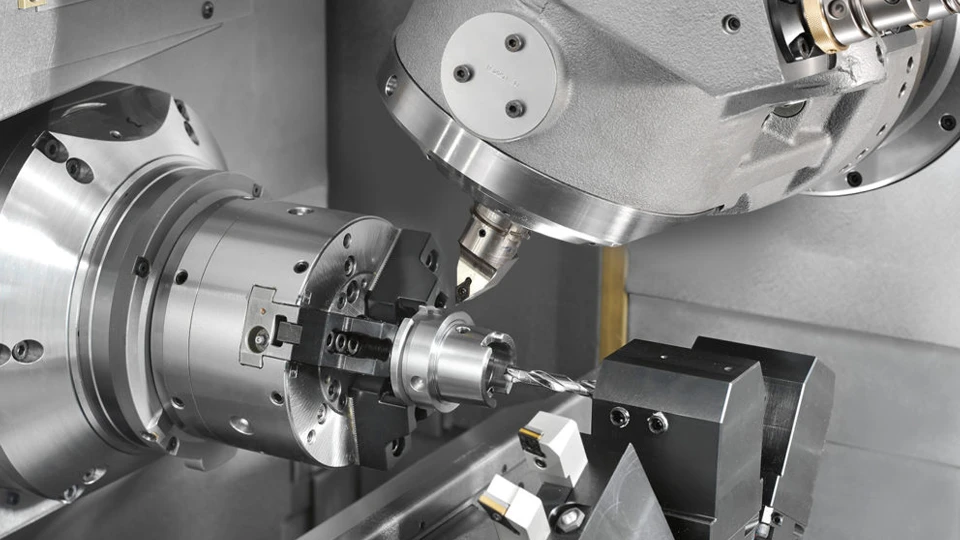
A combination chuck is a hybrid workholding device that merges the functionality of a self-centering chuck and an independent jaw chuck. It allows all jaws to move simultaneously for quick centering, while also enabling individual jaw adjustments when precision or non-symmetrical workholding is required. This dual-mode flexibility makes combination chucks especially valuable in repair shops, prototyping, and custom machining environments.
Structurally, the combination chuck includes both a scroll plate—used for synchronized jaw movement—and individual lead screws connected to each jaw. The operator can switch between automatic centering and manual adjustment depending on the workpiece requirements. This design eliminates the need to change chucks between different job types, saving time and increasing versatility on the shop floor.
Because it bridges the gap between speed and precision, the combination chuck is ideal for operations that handle a mix of standard round parts and irregular or square-shaped components.
Key Features
- Offers both self-centering and independent jaw control
- Reduces chuck changeover time between job types
- Accommodates round, square, and irregular parts
- Useful for one-off jobs and maintenance work
- Compatible with both manual and CNC lathes
- Delivers a balance of speed and flexibility
Applicable Scenarios
Combination chucks are ideal for workshops that deal with diverse or unpredictable machining tasks. Common use cases include:
- Job shops handling small batches of varied components
- Repair and maintenance operations
- Custom part fabrication with varying geometries
- Prototype development and R&D machining
- Manual lathe operations requiring frequent jaw adjustments
By combining two jaw control methods into one chuck body, combination chucks offer unmatched versatility in day-to-day machining.
How to Choose the Right Chuck
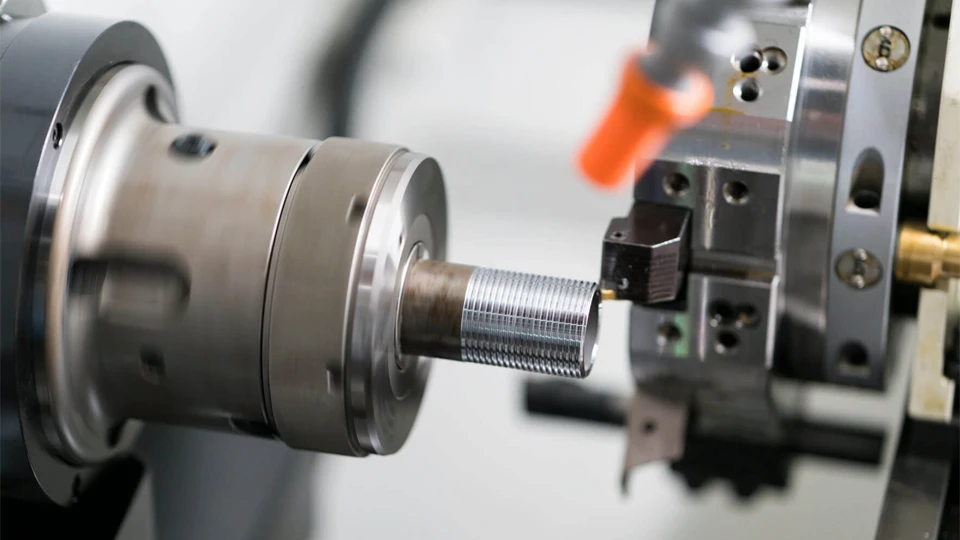
Choosing the right chuck for a lathe machine depends on a careful balance of machining goals, workpiece characteristics, and production conditions. A poorly matched chuck can result in inaccurate cuts, workpiece slippage, tool wear, or even equipment damage. To ensure optimal performance and longevity of both the machine and the workpiece, it’s essential to evaluate several key factors during chuck selection.
1. Workpiece Shape and Material
The geometry and material of the part heavily influence the type of chuck required.
- Round and symmetric parts benefit from self-centering chucks (3-jaw or 6-jaw).
- Irregular or square parts require independent jaw control, as offered by 4-jaw or combination chucks.
- Thin-walled or delicate materials are better served by 6-jaw or collet chucks due to lower distortion risks.
- Hard-to-hold small parts in high-speed applications are ideal for collet chucks.
2. Precision Requirements
High-precision operations—such as those in aerospace, medical, or electronics industries—demand chucks with minimal runout and maximum repeatability.
- Collet chucks offer superior concentricity.
- 6-jaw chucks distribute clamping force evenly, reducing workpiece deformation.
- Avoid basic 3-jaw chucks in applications where tight tolerances are critical.
3. Production Volume
The level of automation and production scale also affects chuck selection:
- Manual chucks are cost-effective for low-volume or single-piece runs.
- Hydraulic or pneumatic chucks are preferred for mass production due to their fast and consistent actuation.
- Electric chucks are suitable for high-tech, clean environments with frequent job changes.
4. Setup Time and Flexibility
Quick-change capabilities reduce downtime during batch transitions:
- Combination chucks minimize changeovers between part types.
- Collet chucks allow fast loading and unloading, increasing overall efficiency.
- Consider compatibility with automatic tool changers and robot arms in CNC systems.
5. Clamping Force and Load Type
Different operations require different holding strength:
- Heavy-duty roughing may demand hydraulic chucks with high clamping force.
- Light finishing may benefit from pneumatic or electric systems.
- Always match the chuck’s grip force to the cutting load to avoid slippage or distortion.
Conclusion
Understanding the different types of chucks in lathe machines isn’t just about knowing names—it’s about mastering how each tool directly influences machining quality, precision, and efficiency. From jaw configuration to actuation method, each chuck serves a unique role in adapting to the complexity of metal parts, whether you’re roughing large forgings or finishing delicate precision components. With the right chuck, machine shops can reduce cycle times, minimize scrap rates, and ensure consistent quality across every job.
For manufacturers and industrial engineers seeking reliable workholding solutions for CNC machining, it’s essential to not only select the right chuck—but also choose equipment designed for precision from the ground up. Rosnok specializes in designing and manufacturing complete CNC solutions tailored to global machining needs. Its lathe machines are engineered to pair seamlessly with all major chuck types, providing high-performance turning platforms trusted by industries across Russia, Europe, Asia, and South America. Whether machining auto parts, aerospace components, or precision fittings, Rosnok enables manufacturers to clamp with confidence—right from the foundation.