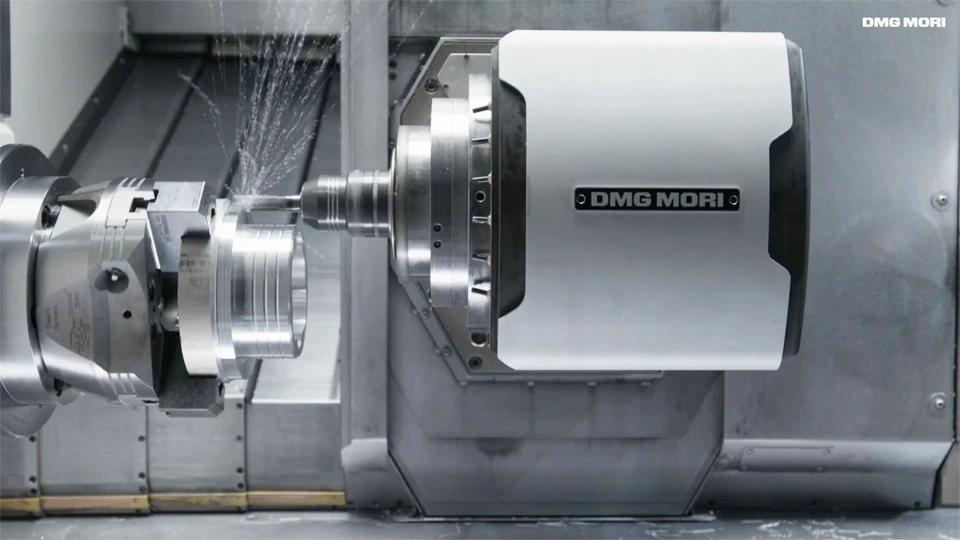
No. 1 – DMG MORI (Germany / Japan)
Company Background and Manufacturing Scale
DMG MORI is widely regarded as one of the most influential machine tool manufacturers in the global market. Formed through the integration of Germany’s DMG and Japan’s MORI SEIKI, the company represents a rare combination of European engineering heritage and Japanese manufacturing discipline.
The group operates a large-scale global manufacturing network, with production facilities across Europe and Asia, forming a globally distributed manufacturing footprint. This scale allows DMG MORI to serve multinational manufacturers consistently across different regions while maintaining standardized production and delivery processes.

Core Product Portfolio
DMG MORI maintains a broad and well-structured machine tool portfolio designed to support a wide range of manufacturing requirements, from standard machining to highly complex production tasks. Its core product categories include:
- CNC lathes for precision turning applications
- Vertical machining centers for flexible and general-purpose machining
- Horizontal machining centers suited for high-volume and automated production
- 5-axis machining centers for complex geometry and high-precision components
- Multi-tasking machines designed for high-mix, complex manufacturing environments
Beyond standalone machine tools, DMG MORI also supplies integrated production solutions, including automation systems and turnkey machining cells, enabling customers to build more efficient and connected manufacturing setups.
Technology and Engineering Strengths
From an engineering perspective, DMG MORI is recognized for its strong emphasis on machine rigidity, thermal stability, and long-term accuracy retention. The company places significant focus on precision control, mechanical reliability, and consistent performance under continuous production conditions.
DMG MORI is also known for its advanced multi-axis and multi-tasking machine designs, which allow multiple machining operations to be completed in a single setup. This engineering approach supports higher precision, reduced setup time, and improved overall process efficiency in demanding manufacturing environments.
After-Sales Support and Service Capability
A key differentiator for DMG MORI is its global after-sales support infrastructure. The company maintains localized service teams, training centers, and spare parts logistics in major manufacturing regions, enabling relatively fast response times and consistent service standards.
DMG MORI also invests heavily in digital service platforms, offering remote diagnostics, preventive maintenance tools, and software-based support. These capabilities are designed to minimize downtime and support long-term machine availability throughout the equipment lifecycle.
Buyer Considerations and Market Position
In the global machine tool market, DMG MORI is positioned as a premium-tier manufacturer. Its machines are typically selected by manufacturers that prioritize precision, long-term stability, and integrated production capability over initial purchase cost.
For buyers with complex machining requirements and long production horizons, DMG MORI represents a low-risk, high-investment option. However, the higher acquisition and service costs may be less suitable for cost-sensitive operations or entry-level production environments.
No. 2 – Mazak (Japan)
Company Background and Manufacturing Scale
Mazak is one of the most established machine tool manufacturers in the world, with a history spanning more than a century. Headquartered in Japan, the company has built its reputation on long-term engineering consistency and a strong focus on production-oriented machine tool design.
Mazak operates multiple manufacturing facilities across Japan, North America, Europe, and Asia, enabling localized production and regional supply capabilities. This manufacturing scale supports stable global delivery while allowing the company to serve both domestic and international markets with consistent quality standards.

Core Product Portfolio
Mazak maintains a broad and diversified machine tool portfolio that reflects its position as a full-line manufacturing equipment supplier rather than a single-category machine builder. Its core product range includes:
- CNC turning machines and production-oriented turning systems
- Multi-tasking machines integrating turning, milling, and drilling processes
- Machining centers for general milling and multi-axis machining applications
- Laser processing machines for sheet metal, tube, and structural fabrication
- Swiss-type automatic lathes for high-volume precision part production
- Dedicated production machines and systemized equipment for specific manufacturing processes
This wide product coverage allows Mazak to support manufacturers across both machining and fabrication operations, offering a single-source solution for diverse production requirements.
Technology and Engineering Strengths
Mazak is widely recognized for its early and continued investment in multi-tasking machine technology. The company has played a significant role in advancing machines that integrate multiple machining processes into a single setup, reducing handling time and improving overall production efficiency.
Another key engineering strength lies in Mazak’s proprietary CNC control systems, which are developed in-house to ensure close integration between hardware and software. This approach allows for stable machine performance, consistent control logic, and smoother implementation of advanced machining functions.
After-Sales Support and Service Capability
Mazak maintains a well-established global service network, with regional technical centers, training facilities, and spare parts hubs in major manufacturing markets. This structure enables relatively fast service response and localized technical support for installed machines.
The company also provides customer training programs and digital support tools aimed at improving machine utilization and reducing operational downtime. These services are designed to support long-term machine performance rather than short-term troubleshooting alone.
Buyer Considerations and Market Position
Mazak is generally positioned as a high-end, production-focused machine tool manufacturer. Its machines are often selected by manufacturers seeking stable long-term operation, high process integration, and strong global service support.
From a buyer’s perspective, Mazak represents a solid choice for medium to large-scale production environments where uptime and process consolidation are critical. However, similar to other premium brands, the initial investment level may be less attractive for buyers whose primary focus is entry-level pricing or low-volume production.

No. 3 – Okuma (Japan)
Company Background and Manufacturing Scale
Okuma is one of Japan’s most established machine tool manufacturers, with a history spanning more than a century. Unlike many peers, the company has long emphasized vertical integration, positioning itself as a builder that controls core components rather than relying heavily on external suppliers.
Okuma operates large-scale manufacturing facilities primarily in Japan, supported by a global sales and service presence across North America, Europe, and Asia. This production model reflects a strong focus on in-house manufacturing control and long-term product consistency rather than rapid global expansion of production sites.
Core Product Portfolio
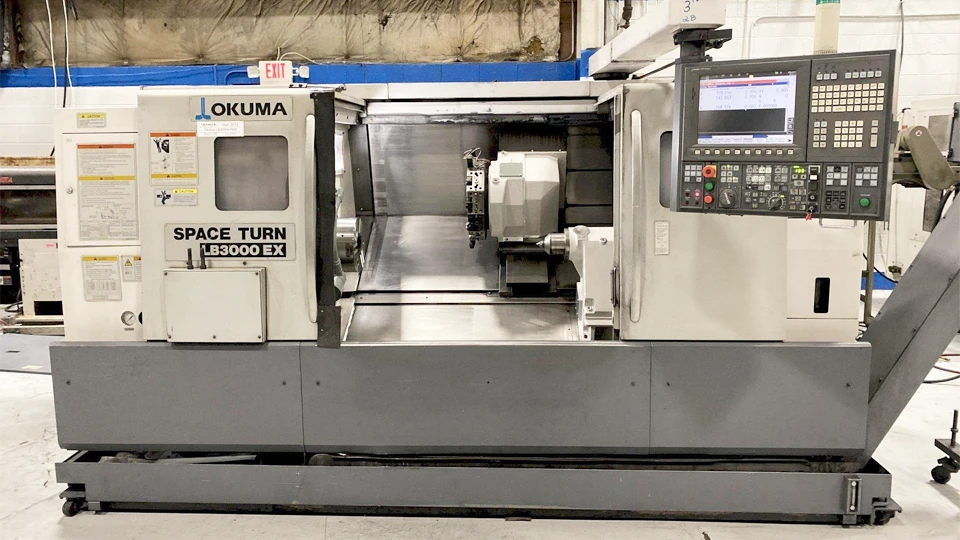
Okuma maintains a comprehensive machine tool portfolio centered on metal cutting applications, with a strong focus on turning and milling solutions for continuous production environments. Its core product categories include:
- CNC lathes for general-purpose and production-oriented turning
- Machining centers for milling operations and multi-axis machining
- 5-axis machining machines designed for complex parts and precision requirements
- Multi-tasking machines integrating turning and milling processes
- Heavy-duty machine tools for large workpieces and high-load machining
This product structure allows Okuma to serve manufacturers that prioritize stable machining performance, long machine life, and consistent output across extended production cycles.
Technology and Engineering Strengths
Okuma is particularly known for its vertically integrated engineering approach, with key components such as CNC controls, drives, and machine structures developed and manufactured in-house. This strategy enables tight integration between hardware and software, supporting stable machine behavior and predictable machining performance.
Another defining engineering focus is Okuma’s emphasis on thermal stability and accuracy control over long operating periods. Rather than maximizing short-term cutting performance, the company prioritizes accuracy retention and reliability under continuous production conditions.
After-Sales Support and Service Capability
Okuma supports its installed base through a global service network that includes regional technical centers, training facilities, and spare parts distribution hubs. Service operations are structured to support long-term machine use rather than rapid equipment turnover.
In addition to on-site service, Okuma provides digital monitoring and diagnostic tools that assist users in maintaining machine condition and preventing unplanned downtime. These services are designed to complement the company’s focus on durability and lifecycle stability.
Buyer Considerations and Market Position
Okuma is generally positioned as a premium, engineering-driven machine tool manufacturer. Its machines are often selected by manufacturers that value long-term reliability, controlled performance, and in-house technology integration over short-term cost optimization.
For buyers operating continuous or high-load production environments, Okuma represents a stable and conservative choice. However, the emphasis on in-house systems and premium engineering can result in higher initial investment levels compared to more cost-oriented suppliers.
No. 4 – Makino (Japan)
Company Background and Manufacturing Scale
Makino is a Japan-based machine tool manufacturer with a long-standing reputation in high-precision machining. Compared with other full-line builders, the company has historically focused on fewer product categories while maintaining a strong emphasis on accuracy, process stability, and application-specific machine design.
Makino operates manufacturing facilities primarily in Japan, with additional production and support capabilities in other key regions. Rather than pursuing maximum production volume, the company’s manufacturing strategy prioritizes precision control, process consistency, and strict quality management across its machine tool lineup.
Core Product Portfolio
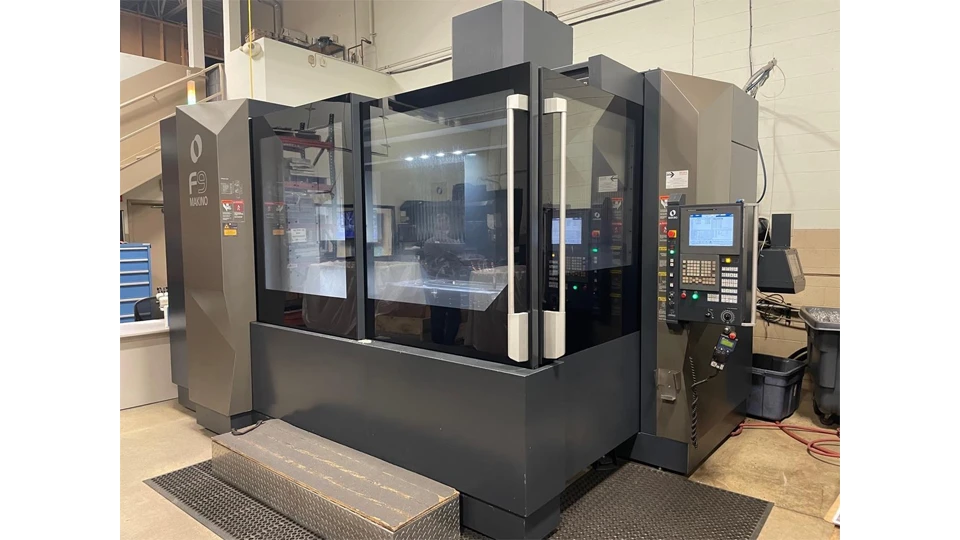
Makino’s product portfolio is deliberately focused on high-precision machining and finishing platforms, with particular strength in applications where accuracy, surface quality, and dimensional consistency are critical. Its core product categories include:
- Machining centers for precision milling and multi-axis machining operations
- 5-axis machining centers for complex geometries and tight-tolerance components
- Horizontal machining centers optimized for stable, high-efficiency production
- Vertical machining centers for flexible and precision-oriented machining tasks
- Electrical Discharge Machines (EDM), including wire and sinker EDM systems, for ultra-precision mold and die fabrication
This focused product strategy reflects Makino’s strong presence in mold, aerospace, and other high-precision manufacturing segments where process reliability and surface integrity are decisive factors.
Technology and Engineering Strengths
Makino is widely recognized for its deep expertise in precision engineering, particularly in areas such as spindle performance, thermal control, and vibration suppression. The company places strong emphasis on maintaining machining accuracy under real production conditions rather than relying solely on nominal machine specifications.
In addition to core machine engineering, Makino has developed advanced digital and automation capabilities designed to support unattended and lights-out manufacturing. Systems such as its modular automation platforms (e.g., MAS-A5) enable flexible integration of machining, material handling, and process control, helping manufacturers improve utilization and consistency in high-precision production environments.
After-Sales Support and Service Capability
Makino supports its customers through a global service organization that includes regional service teams, application centers, and technical training facilities. Service operations are structured to assist users in maintaining machining accuracy and process stability over the long term.
In addition to on-site support, Makino provides application-focused assistance, helping customers optimize cutting processes, EDM operations, and overall machine utilization. This service approach aligns closely with the company’s emphasis on precision, reliability, and long equipment life cycles.
Buyer Considerations and Market Position
Makino is generally positioned as a high-precision specialist within the global machine tool market. Its machines are frequently selected by manufacturers operating in sectors where tolerance control, surface quality, and repeatability outweigh the need for maximum production volume.
From a buyer’s perspective, Makino is particularly well suited for mold and die manufacturing, aerospace components, and other precision-driven applications. However, its focused product scope and premium positioning may be less attractive for buyers seeking broad product diversity or cost-oriented, general-purpose machine tools.
No. 5 – Haas Automation (United States)
Company Background and Manufacturing Scale
Haas Automation is the largest machine tool manufacturer in the United States and one of the most recognizable CNC machine brands globally. Founded in the 1980s, the company has built its reputation on standardized machine designs, high production volume, and a vertically integrated manufacturing model centered in North America.
Haas operates a large-scale manufacturing campus in the United States, where the majority of its machine tools are produced. This centralized production strategy allows for tight control over manufacturing processes, consistent product configuration, and efficient global distribution through an extensive dealer network.

Core Product Portfolio
Haas maintains a broad but highly standardized machine tool portfolio focused on general-purpose CNC machining. Rather than offering highly customized machines, the company emphasizes scalable platforms that cover the majority of everyday machining requirements. Its core product categories include:
- Vertical machining centers designed for general milling and shop-floor flexibility
- Horizontal machining centers for higher productivity and pallet-based workflows
- CNC lathes for turning applications across a wide range of part sizes
- 5-axis machining centers built on standardized universal platforms
- Rotary tables and indexers designed to expand machining capability within the Haas ecosystem
This product structure enables Haas to offer a complete, entry-to-mid-level machining solution set that is easy to configure, deploy, and support across different production environments.
Technology and Engineering Strengths
Haas’s engineering approach prioritizes simplicity, reliability, and ease of use over highly specialized or application-specific machine design. The company focuses on standardized mechanical platforms and in-house CNC control systems that emphasize intuitive operation and consistent performance.
Rather than pursuing cutting-edge complexity, Haas invests in proven design principles that support stable machining and straightforward maintenance. This engineering philosophy allows users to achieve predictable results with relatively low training and integration effort.
After-Sales Support and Service Capability
A defining feature of Haas Automation is its global dealer-based service model. Authorized Haas Factory Outlets (HFOs) provide localized sales, service, training, and spare parts support in most major manufacturing regions worldwide.
This dealer-centric structure enables rapid response for routine service needs and simplifies after-sales communication. While service quality can vary by region, the overall network coverage is one of Haas’s strongest advantages in supporting a large installed base.
Buyer Considerations and Market Position
Haas is generally positioned as a value-oriented, high-volume CNC machine tool manufacturer. Its machines are widely selected by job shops, contract manufacturers, educational institutions, and production facilities seeking a balance between affordability, functionality, and availability.
From a buyer’s perspective, Haas represents a practical choice for general machining tasks where extreme precision, customization, or application-specific optimization is not the primary requirement. However, for manufacturers with highly specialized processes or ultra-precision demands, alternative premium-tier suppliers may be more suitable.

No. 6 – DN Solutions (South Korea)
Company Background and Manufacturing Scale
DN Solutions, formerly known as Doosan Machine Tools, is one of South Korea’s most prominent machine tool manufacturers and a major global supplier of CNC equipment. Backed by decades of industrial manufacturing experience, the company has built a strong reputation for delivering robust, production-oriented machine tools at competitive price-performance ratios.
The company operates large-scale manufacturing facilities primarily in South Korea, supported by global subsidiaries and distribution networks across North America, Europe, and Asia. This manufacturing scale enables DN Solutions to supply standardized machines in high volumes while maintaining stable quality and delivery consistency.
Core Product Portfolio
DN Solutions maintains a comprehensive machine tool portfolio focused on metal cutting and production machining, with particular strength in turning and machining platforms designed for continuous industrial use. Its core product categories include:
- CNC lathes for general-purpose and high-productivity turning applications
- Multi-tasking machines integrating turning and milling processes
- Machining centers for general milling and multi-axis machining operations
- Horizontal machining centers optimized for automated and pallet-based production
- Heavy-duty and large-capacity machine tools for demanding industrial applications
This product structure allows DN Solutions to serve a broad range of manufacturers seeking reliable, production-ready machines without the complexity or cost associated with premium-tier customization.
Technology and Engineering Strengths
DN Solutions’ engineering approach emphasizes structural rigidity, cutting stability, and mechanical reliability under continuous operating conditions. Machine designs prioritize robust castings, conservative spindle configurations, and proven mechanical layouts suited for long production cycles.
Rather than pursuing highly specialized niche technologies, the company focuses on refining core machining platforms to deliver consistent performance across a wide range of applications. This practical engineering philosophy supports predictable machining results and reduced maintenance complexity in industrial environments.
After-Sales Support and Service Capability
DN Solutions supports its global customer base through a combination of regional subsidiaries, authorized distributors, and service partners. This network provides localized technical support, spare parts availability, and routine maintenance services in major manufacturing regions.
Service offerings are designed to support high machine uptime and straightforward maintenance. While service depth may vary by market, the overall structure is geared toward supporting large installed bases and minimizing operational disruption for production-focused customers.
Buyer Considerations and Market Position
DN Solutions is generally positioned as a mid-to-upper-tier production machine tool manufacturer, offering a balance between performance, durability, and cost efficiency. Its machines are commonly selected by manufacturers that require dependable equipment for continuous production without the premium pricing associated with top-tier brands.
From a buyer’s perspective, DN Solutions represents a practical choice for automotive suppliers, general manufacturing plants, and contract manufacturers seeking robust machines with solid global support. However, buyers requiring highly specialized applications or ultra-precision performance may look toward more niche or premium-focused suppliers.

No. 7 – EMAG (Germany)
Company Background and Manufacturing Scale
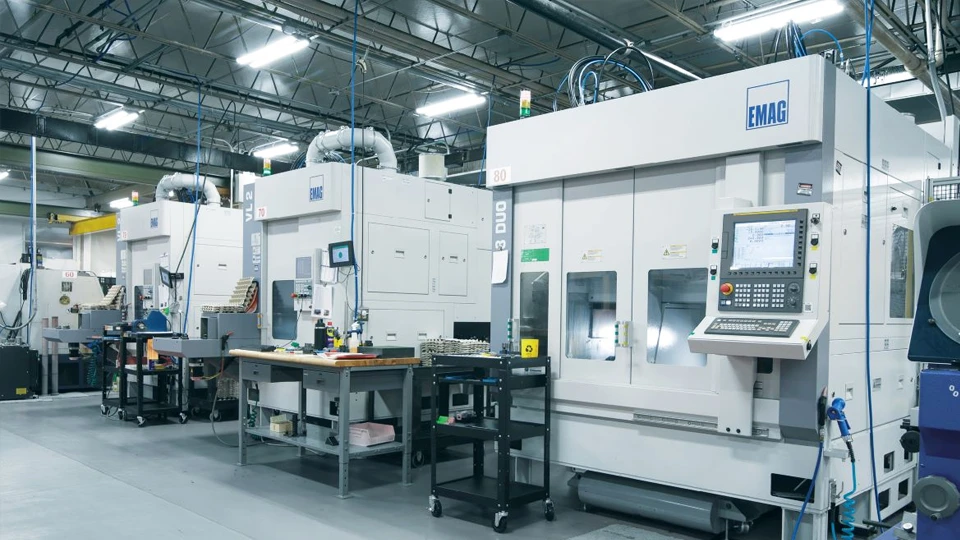
EMAG is a Germany-based machine tool manufacturer known for its strong focus on production systems and process-oriented machine design. Unlike traditional full-line builders, EMAG has developed its reputation by concentrating on specific manufacturing workflows rather than covering every machine category.
The company operates multiple manufacturing sites in Germany and other regions, supported by a global sales and service network. EMAG’s manufacturing scale is closely aligned with its system-driven approach, enabling it to deliver both standalone machines and integrated production solutions for high-volume industrial customers.
Core Product Portfolio
EMAG’s product portfolio is centered on production-oriented machine tools designed for high-efficiency, repeatable manufacturing processes. Rather than emphasizing broad machine variety, the company focuses on machines optimized for specific production tasks. Its core product categories include:
- CNC turning machines for high-volume and production-line applications
- Vertical turning machines designed for compact layouts and automated handling
- Multi-process machines integrating turning, grinding, and other finishing operations
- Specialized production machines tailored for specific component families
- Integrated manufacturing systems combining machines, automation, and handling solutions
This portfolio structure reflects EMAG’s emphasis on process integration and production efficiency rather than general-purpose machining flexibility.
Technology and Engineering Strengths
EMAG is particularly recognized for its system-level engineering capabilities. The company designs machines with automation, material flow, and process sequencing in mind, allowing them to be seamlessly integrated into production lines.
Another defining engineering strength is EMAG’s focus on combining multiple machining processes within a single machine or production cell. This approach reduces part handling, shortens cycle times, and improves process consistency in high-volume manufacturing environments.
After-Sales Support and Service Capability
EMAG provides after-sales support through a global service organization that includes regional service teams, spare parts logistics, and application support specialists. Service offerings are closely tied to the company’s production-system philosophy.
In addition to standard maintenance and repair services, EMAG supports customers with process optimization and system-level support, helping ensure long-term stability and performance of integrated production lines.
Buyer Considerations and Market Position
EMAG is generally positioned as a specialized production-systems machine tool manufacturer. Its machines are frequently selected by manufacturers operating high-volume production lines, particularly in automotive and industrial component manufacturing.
From a buyer’s perspective, EMAG is well suited for applications where process integration, automation, and repeatability are critical. However, its system-focused approach may be less suitable for job shops or manufacturers seeking highly flexible, general-purpose machine tools.
No. 8 – GROB (Germany)
Company Background and Manufacturing Scale
GROB is a Germany-based machine tool manufacturer with a long industrial history and a strong reputation in large-scale manufacturing systems. Unlike many traditional machine tool builders, GROB operates at the intersection of machine tools, automation, and complete production systems.
The company maintains manufacturing operations primarily in Germany, supported by additional production and engineering facilities in Europe, Asia, and the Americas. GROB’s manufacturing scale reflects its focus on delivering highly engineered machines and system solutions rather than mass-produced standard equipment.
Core Product Portfolio
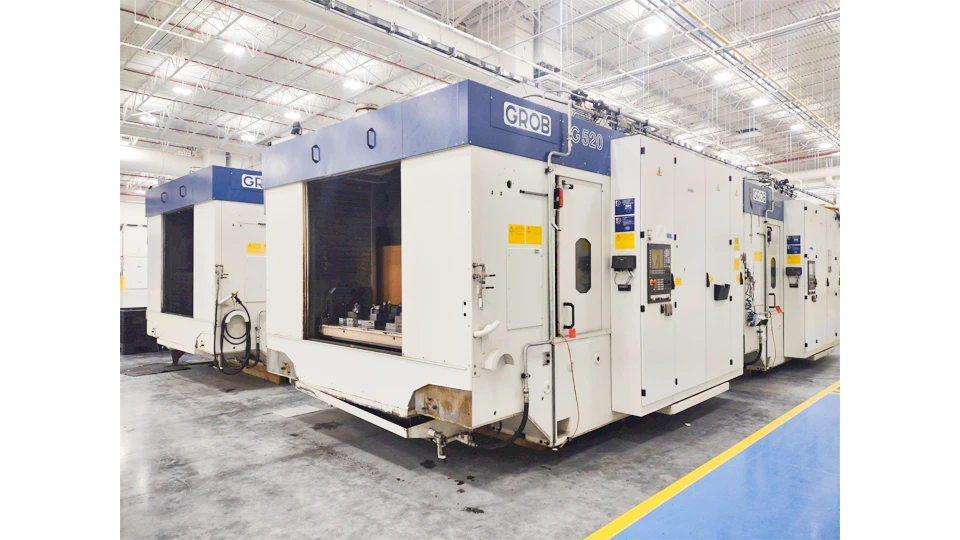
GROB’s machine tool portfolio is centered on high-performance machining platforms and integrated production systems, with particular strength in complex multi-axis machining. Its core product categories include:
- Universal machining centers built on proprietary horizontal spindle concepts
- 5-axis machining centers designed for complex geometries and high-precision requirements
- Large-format machining centers for oversized components and structural parts
- Highly automated machining systems combining machines, handling, and process integration
- Specialized machine tools developed for specific production processes and industries
This portfolio structure highlights GROB’s emphasis on system-level performance, rigidity, and long-term stability in demanding production environments.
Technology and Engineering Strengths
GROB is widely recognized for its unique machine architecture, particularly its horizontal spindle and rigid gantry-style designs. This engineering approach supports effective chip evacuation, thermal stability, and consistent accuracy in complex multi-axis machining.
Another key strength lies in GROB’s ability to engineer machines as part of complete production systems. Rather than treating automation as an add-on, GROB integrates machining, material handling, and process control at the design stage, enabling high levels of repeatability and production efficiency.
After-Sales Support and Service Capability
GROB supports its customers through a global service organization that includes regional service teams, spare parts logistics, and technical support centers. Service offerings are closely aligned with the company’s system-oriented product strategy.
In addition to standard machine support, GROB provides long-term service programs and system optimization support, helping customers maintain performance and reliability across complex, highly automated production lines.
Buyer Considerations and Market Position
GROB is generally positioned as a high-end supplier of complex machining systems rather than a general-purpose machine tool manufacturer. Its machines are frequently selected by manufacturers operating in automotive, aerospace, and other industries that require high structural rigidity and integrated production solutions.
From a buyer’s perspective, GROB is well suited for projects where process integration, automation, and long-term production stability are key decision factors. However, its system-focused approach and engineering depth may be less suitable for smaller manufacturers or buyers seeking standardized, entry-level machine tools.
No. 9 – TRUMPF (Germany)
Company Background and Manufacturing Scale
TRUMPF is a Germany-based industrial machine tool manufacturer with a long history in production equipment and manufacturing technology. Unlike traditional cutting machine builders, TRUMPF has developed its global position by focusing on metal fabrication systems and advanced industrial processing technologies.
The company operates manufacturing and engineering facilities primarily in Germany, supported by a global production, sales, and service network across Europe, North America, and Asia. TRUMPF’s manufacturing scale reflects its role as a system-oriented equipment supplier serving large industrial customers worldwide.

Core Product Portfolio
TRUMPF maintains a diversified industrial machine tool portfolio centered on metal fabrication and advanced manufacturing processes. Rather than emphasizing conventional cutting machines, its core product categories include:
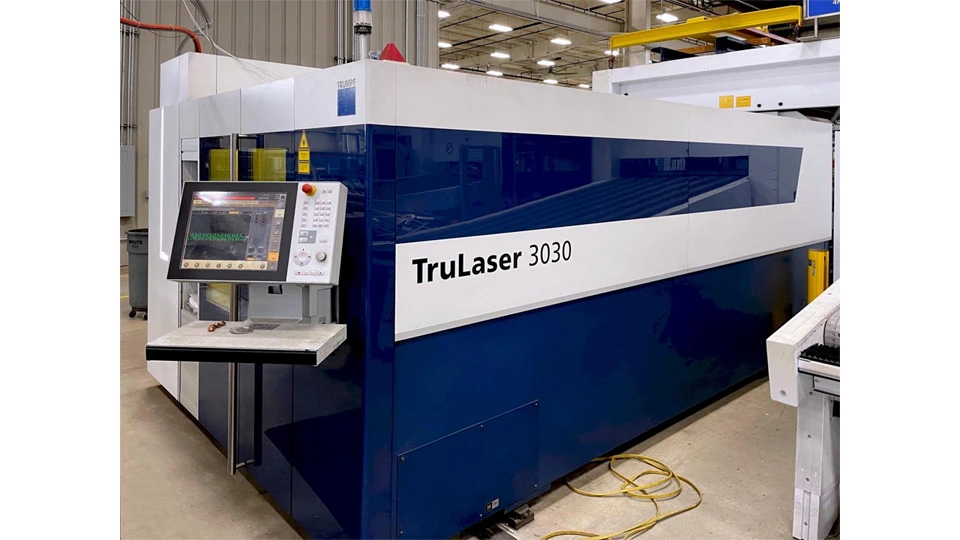
- Laser cutting machines for sheet metal, tube, and structural fabrication
- Laser welding and laser processing systems for industrial production
- Punching and combined punch-laser machines for flexible sheet metal processing
- Bending machines and forming equipment for metal fabrication
- Additive manufacturing systems for industrial metal 3D printing
- Integrated manufacturing systems combining machines, automation, and digital control
This portfolio structure positions TRUMPF as a comprehensive supplier for fabrication and advanced manufacturing environments where productivity, precision, and process integration are critical.
Technology and Engineering Strengths
TRUMPF is widely recognized for its leadership in industrial laser technology and system integration. The company develops key laser sources, optics, and control technologies in-house, enabling tight coordination between machine hardware and processing performance.
Beyond individual machines, TRUMPF places strong emphasis on digitalization and smart manufacturing concepts. Its engineering approach integrates automation, software, and process monitoring to support efficient, connected, and scalable production workflows.
After-Sales Support and Service Capability
TRUMPF supports its global customer base through a well-established service organization that includes regional service centers, application support teams, and spare parts logistics. Service offerings are closely aligned with the company’s system-based product strategy.
In addition to standard maintenance and repair services, TRUMPF provides process consulting, application optimization, and digital support solutions, helping customers maintain stable production and adapt to evolving manufacturing requirements.
Buyer Considerations and Market Position
TRUMPF is generally positioned as a premium industrial equipment supplier rather than a conventional machine tool manufacturer focused on cutting alone. Its machines are frequently selected by manufacturers operating in sheet metal fabrication, industrial equipment, aerospace, and medical manufacturing environments.
From a buyer’s perspective, TRUMPF is particularly well suited for companies seeking advanced fabrication technology, additive manufacturing capability, and long-term digital manufacturing integration. However, for manufacturers focused primarily on traditional turning or milling operations, other machine tool suppliers may be more appropriate.
No. 10 – ROSNOK (China)
Company Background and Manufacturing Scale
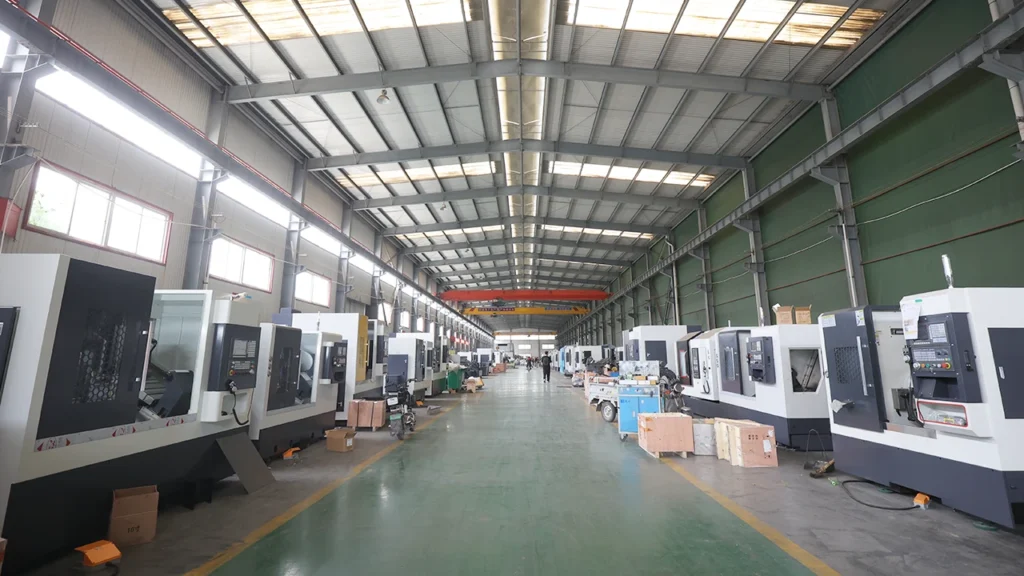
ROSNOK is a China-based machine tool manufacturer serving international industrial markets with a focus on cost-effective and application-oriented CNC equipment. The company operates multiple manufacturing workshops with a sizable production footprint, supporting both standard machine configurations and customized solutions for different export regions.
ROSNOK’s manufacturing operations are supported by modern production facilities and quality management systems aligned with international standards. The company has obtained multiple global certifications, enabling its machines to be deployed in overseas markets across Europe, Asia, South America, and Eastern Europe.
Core Product Portfolio
ROSNOK maintains a broad machine tool portfolio designed to support a wide range of metal cutting applications, with an emphasis on practical performance, adaptability, and cost efficiency. Its core product categories include:
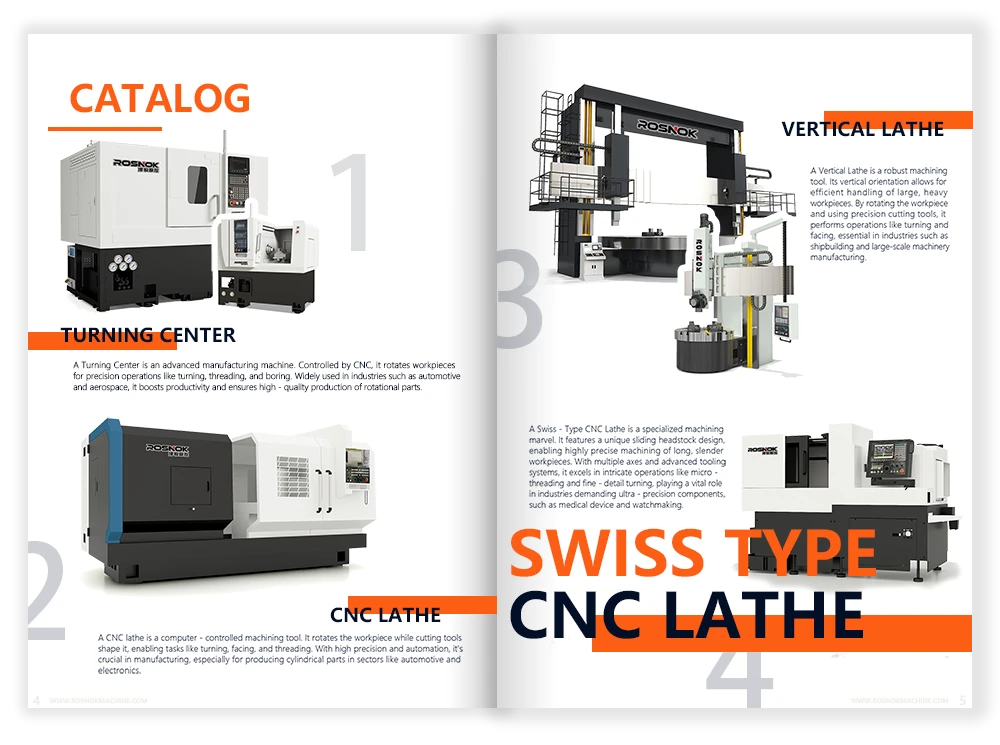
- CNC lathes for general-purpose and production-oriented turning
- Machining centers for milling and multi-axis machining operations
- Vertical lathes for large-diameter and heavy workpiece machining
- Pipe threading lathes for oil, gas, and energy-related applications
- Swiss-type CNC lathes for small, high-precision component production
- Boring, drilling, and grinding machines for specialized machining requirements
This diversified product structure allows ROSNOK to serve manufacturers with varied production needs while maintaining a unified focus on value-oriented machine tool solutions.
Technology and Engineering Strengths
ROSNOK’s engineering strategy emphasizes practical machine design, stable mechanical structures, and the integration of proven components sourced from established global suppliers. The company focuses on delivering reliable machining performance rather than pursuing overly complex or experimental machine architectures.
Customization capability is another key engineering strength. ROSNOK adapts machine configurations to match customer-specific requirements, including workpiece size, material type, and production volume, which is particularly relevant for export customers with distinct operational conditions.
After-Sales Support and Service Capability
ROSNOK supports its international customers through a structured after-sales service system that includes technical documentation, remote support, and spare parts supply. Service processes are designed to address common operational and maintenance needs efficiently.
For overseas markets, ROSNOK works closely with distributors and service partners to provide localized support. This approach helps ensure practical service coverage while maintaining cost efficiency for customers operating outside China.
Buyer Considerations and Market Position
ROSNOK is positioned as a value-focused international machine tool supplier within the global market. Its machines are typically selected by manufacturers seeking a balance between functional capability, purchase cost, and adaptability rather than premium-tier customization.
From a buyer’s perspective, ROSNOK is well suited for small to mid-sized manufacturers, regional distributors, and production environments where return on investment, delivery flexibility, and after-sales responsiveness are key decision factors. While it does not compete directly with ultra-premium brands on technological leadership, ROSNOK represents a practical option for customers prioritizing reliable performance and cost efficiency.
Conclusion
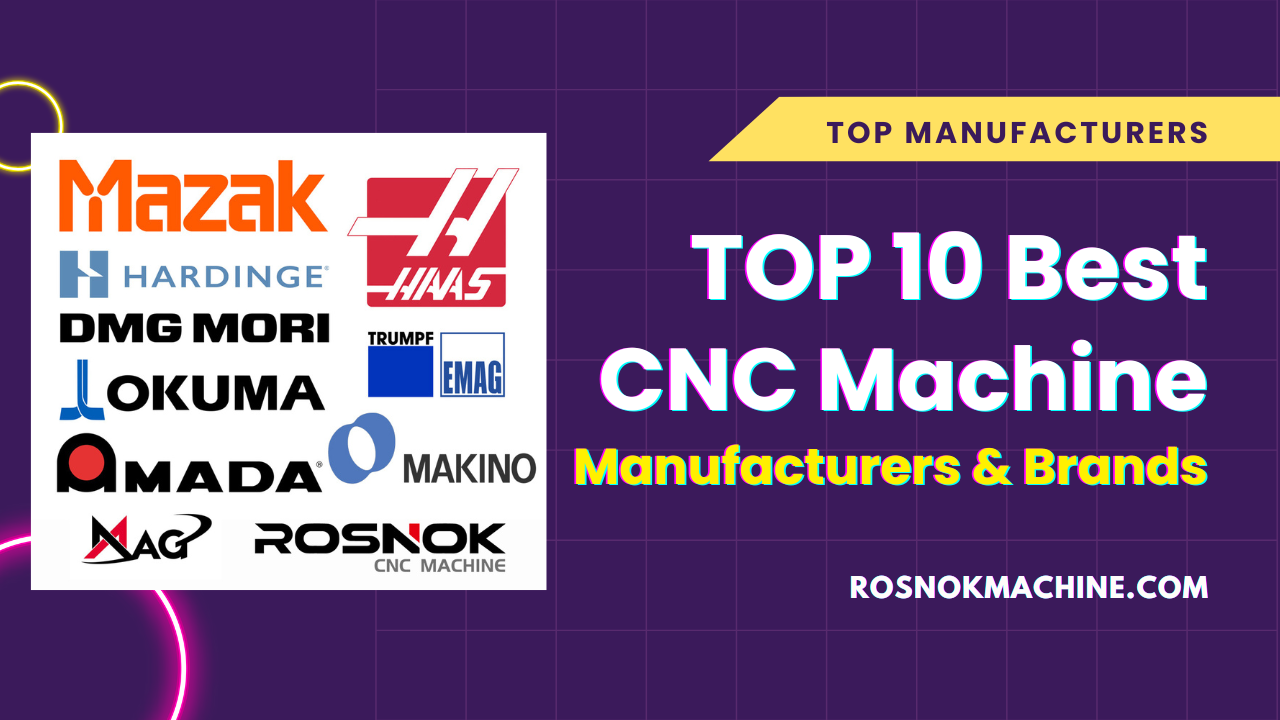
Taken as a whole, this Top 10 ranking reflects the real structure of today’s global machine tool industry. From long-established European and Japanese manufacturers to system-oriented specialists and advanced fabrication leaders, these companies represent different technological paths, industrial philosophies, and market roles. Together, they illustrate how modern manufacturing is shaped by a balance of precision engineering, production efficiency, automation, and long-term service capability.
Within this global landscape, manufacturers from emerging industrial markets are increasingly integrated into international supply chains by focusing on practical performance and application-driven solutions. As a Chinese CNC machine tool manufacturer serving overseas customers, Rosnok represents this segment by offering a broad range of CNC lathes, machining centers, and specialized machines that balance reliability, flexibility, and cost efficiency, providing buyers with an additional, competitive option alongside established global brands.