Why Repeatability Matters in CNC Machining
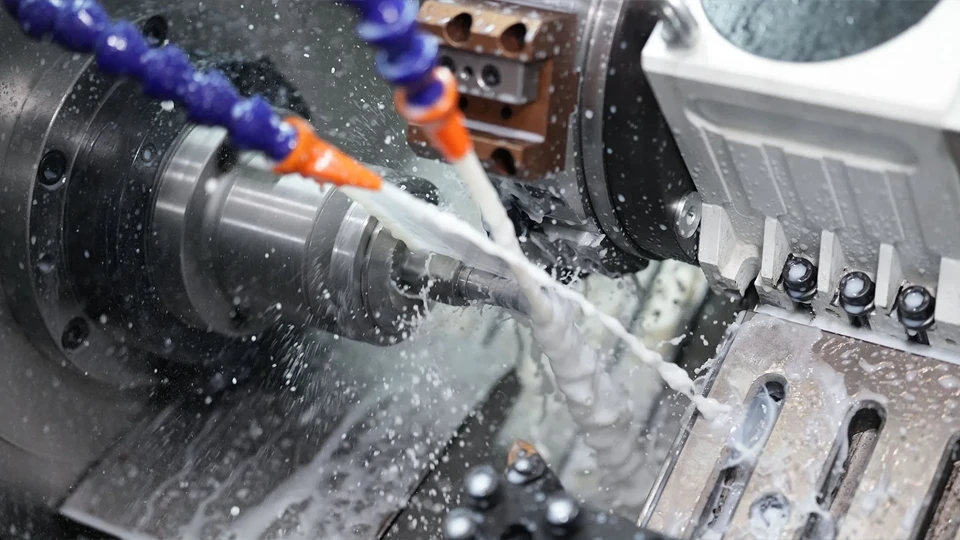
Most CNC parts are produced in batches, not as single pieces. In this context, repeatability determines whether every part in a production run stays within tolerance.
When repeatability is poor, dimensional variation appears over time—even if the program, tooling, and cutting parameters remain unchanged. This leads to unstable quality, additional inspection, and higher scrap rates.
In practical terms, repeatability affects how reliably parts fit during assembly. Small positional variations can cause alignment problems, uneven wear, or functional failure, especially in precision components.
Good repeatability keeps the process stable. It reduces variation, simplifies quality control, and allows manufacturers to run longer production cycles with confidence.
Factors That Affect CNC Machine Repeatability
Repeatability depends on how precisely the machine can return to a given position. Several technical factors directly influence this ability.
Mechanical Rigidity
Components like linear guides, ball screws, and the spindle must maintain stability under dynamic loads. Any flex or play in these systems can introduce slight position errors, which accumulate over multiple cycles.
Drive System Performance
Servo motors with high-resolution encoders offer better feedback and control. Systems with backlash or inconsistent acceleration can produce small but consistent deviations in motion paths.
Thermal Effects
As the machine heats up during operation, materials expand. Without thermal compensation, these changes can shift positioning accuracy over time—even in a climate-controlled shop.
Workpiece Clamping and Cutting Load
If the workpiece is not held firmly or shifts under cutting forces, the tool may contact a different surface location each time, regardless of axis positioning.
Control System Compensation
Advanced controllers can offset known deviations caused by backlash or thermal drift, but the machine’s physical integrity always comes first.
How Repeatability Is Measured and Standardized
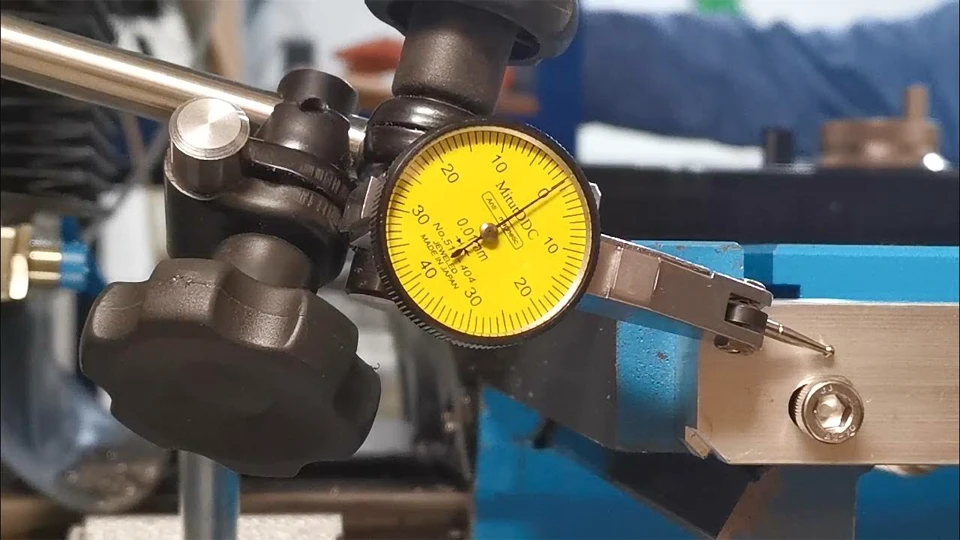
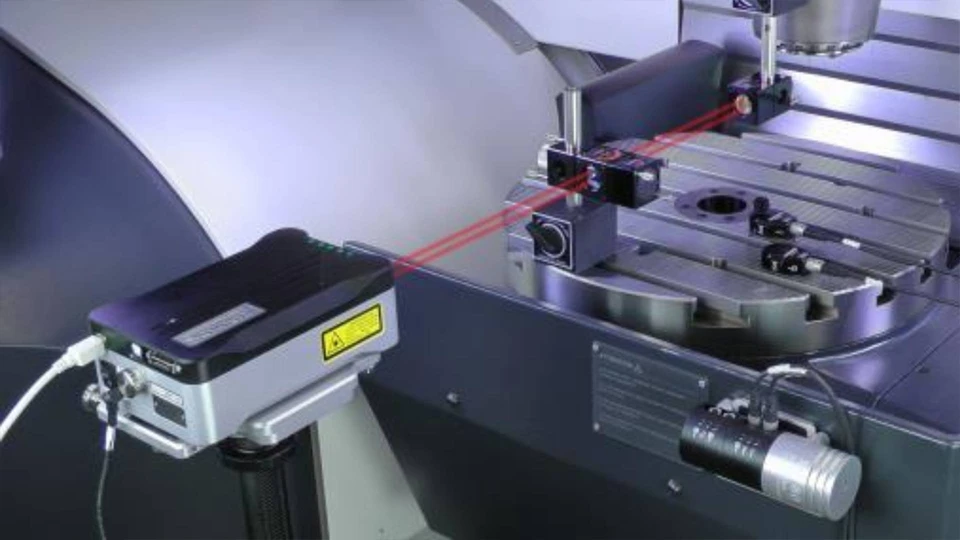
Repeatability in CNC machines is typically measured by commanding the axis to return to the same position multiple times and recording the variation. This is done using tools such as dial gauges, laser interferometers, or electronic probes.
A common test method is bidirectional positioning, where the axis approaches the same point from opposite directions in repeated cycles. The deviation between positions indicates the machine’s repeatability performance.
To ensure consistency, these tests follow international standards—most commonly ISO 230-2, VDI/DGQ 3441, and JIS B6330. These documents define how the test should be set up, how many cycles to perform, and how to interpret the results.
Measured results are usually presented as ±X μm, which shows the maximum deviation from the target point. For instance, if the machine’s repeatability is listed as ±2 μm, this means all positions during testing fell within a 4 μm range (±2 μm from center).
When comparing machines, it’s critical to check if the repeatability figure is based on one of these formal standards. Some manufacturers may quote internal lab results without disclosing test conditions, making direct comparison difficult.
Also, remember that repeatability values are often taken in ideal shop-floor conditions. In real use, factors like temperature changes, cutting loads, or worn parts may affect performance. That’s why the listed value should be seen as a baseline, not a guaranteed outcome.
How to Improve Repeatability in CNC Machines
Improving repeatability isn’t just about buying a better machine—it’s also about how it’s built, maintained, and controlled. Here are the key areas to focus on.
Mechanical Design and Component Selection
Repeatability starts with machine construction. A rigid base, high-precision ball screws, and low-backlash gear systems minimize mechanical play. Using components from reputable suppliers, such as THK or HIWIN, ensures long-term consistency. In high-precision builds, ball screws are often pre-tensioned to reduce thermal expansion and maintain stable positioning across long cycles.
Control System and Compensation Features
Modern CNC controllers offer functions like backlash compensation, thermal drift correction, and encoder feedback to stabilize positioning. More advanced setups use closed-loop systems with linear scales, which directly measure table position and can compensate for mechanical deformation or screw growth in real time.
Preventive Maintenance and Alignment
Loose bolts, worn couplings, or contaminated linear rails can all reduce repeatability. Regular inspection, lubrication, and re-alignment of axis systems helps maintain mechanical accuracy. Even new machines need maintenance to stay consistent under load.
Temperature and Vibration Control
Environmental factors directly impact repeatability. CNC machines perform more consistently in temperature-controlled spaces with minimal vibration. Sudden thermal shifts or nearby heavy equipment can degrade motion precision, even on high-end machines.
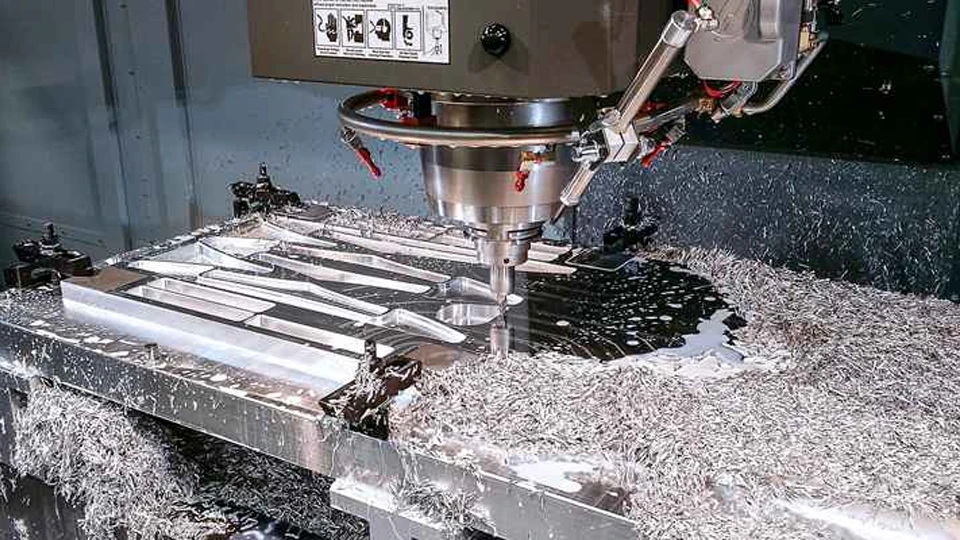
How Repeatability Differs from Accuracy
Repeatability and accuracy are often confused, but they describe different aspects of machine performance.
Repeatability focuses on consistency—how closely a CNC machine can return to the same position over multiple cycles.
Accuracy, on the other hand, describes correctness—how close the machine reaches the true intended position.
A machine may show excellent repeatability while still being inaccurate if it consistently stops at the same wrong location. Conversely, a machine might hit the correct position once but fail to repeat it reliably, indicating good accuracy but poor repeatability.
In real-world CNC machining, poor accuracy is often fixable through software offsets—if the machine has good repeatability. Offset compensation allows the controller to correct known, consistent deviations.
However, low repeatability introduces random and unpredictable error, which cannot be reliably compensated. This is why experienced machinists and engineers tend to prioritize repeatability first—it reflects the mechanical integrity of the system.
In practice, both metrics matter. Accuracy ensures parts meet dimensional requirements, while repeatability ensures those results can be maintained consistently in production. When evaluating a CNC machine, they should always be considered together.
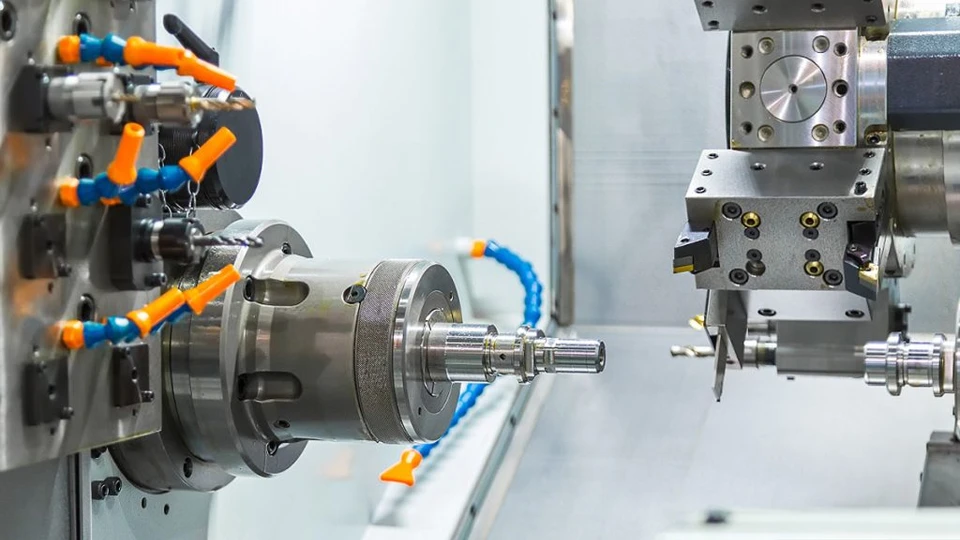
Conclusion
Repeatability isn’t just a technical detail—it’s the foundation of trust in CNC machining. When a machine returns to the same point cycle after cycle, it gives manufacturers the confidence to scale, automate, and deliver with consistency. From machine operators to procurement managers, understanding how repeatability works, how to measure it, and how to evaluate it against accuracy can mean the difference between a smooth production run and costly rework.
In recent years, some manufacturers have begun integrating repeatability-focused features as standard—rigid structures, preloaded ball screws, and even closed-loop feedback on high-end models. Brands like Rosnok, with a background in building precision CNC machine tools, have made this a design priority rather than an optional upgrade. For teams seeking long-term consistency in machining, such design philosophies make all the difference.