Step 1: Define Your Production Goals
The first and most important step when buying a CNC machine is to clearly define your production goals. Your machine choice should not be based on model numbers or promotional offers—it must start with understanding what your factory really needs to produce. Are you aiming for mass production of simple parts, or short runs of highly complex precision components? Do you process large, heavy workpieces or small, intricate medical parts? These questions must be answered first before any specs or pricing is considered.
Choosing the right CNC machine is not about buying the most advanced model—it’s about buying the most suitable one. Your production goals are the foundation of every decision that follows. If you’re in automotive parts production, you likely need fast cycle times and stable performance across large volumes. If you’re producing custom aerospace or medical parts, you’ll prioritize ultra-high precision, small tool handling, and stability under fine tolerances.
If your company is switching from manual machining to CNC for the first time, then automation level, programming capability, and operator training must also be factored into the “goal.” The machine must match not only what you want to make, but also what your team is realistically capable of operating and maintaining.
To summarize, defining your production goal means understanding:
- What material you process (steel, aluminum, titanium, etc.)
- What kind of parts you make (long shafts, threaded pipes, flat surfaces)
- What level of precision you require (±0.01 mm or ±0.002 mm?)
- What production volume you expect (1 part/day or 10,000 parts/month?)
- What shape and complexity your workpieces have
With these answers clearly defined, you’re ready to move forward with confidence and technical clarity.
Step 2: Choose the Right Machine Type
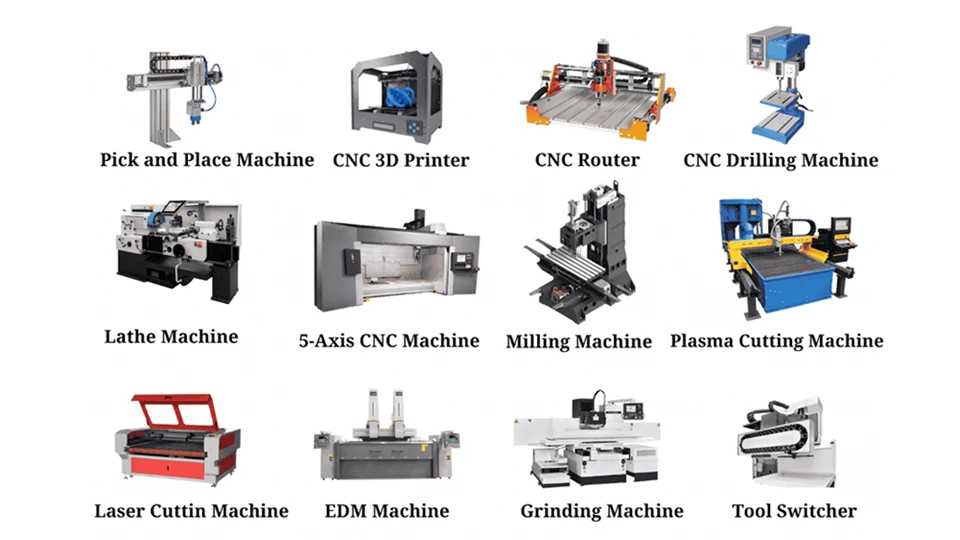
After defining your production goals, the next key step is choosing the right type of CNC machine that aligns with your application. CNC machines are available in a wide range of structural designs and motion systems, each specialized for different kinds of operations, part geometries, and working conditions.
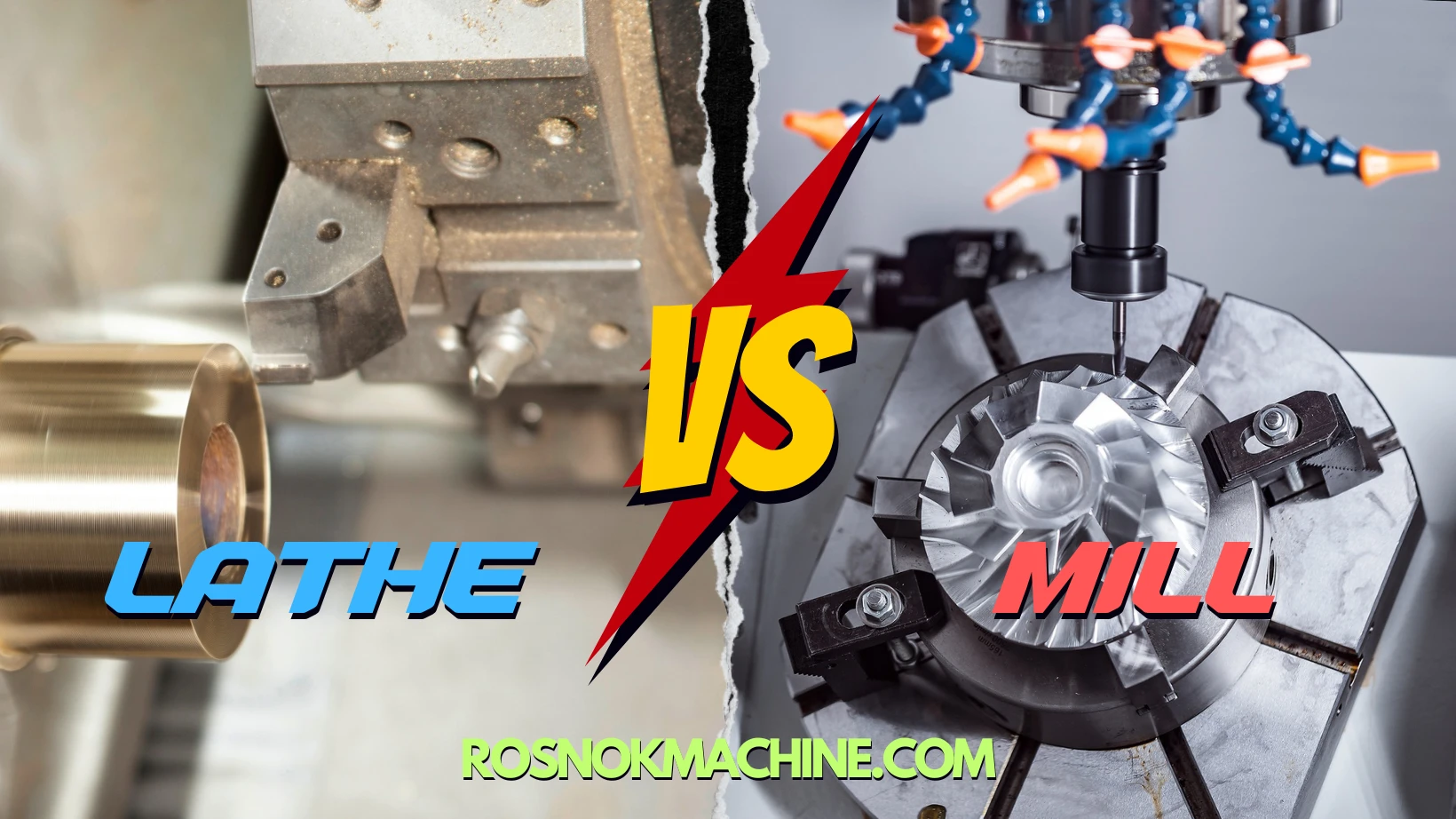
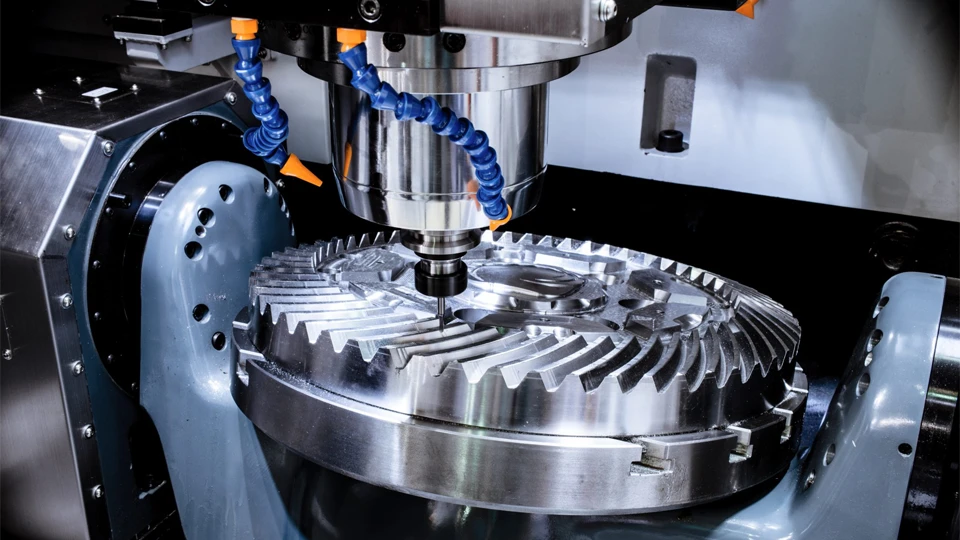
The selection begins with understanding the nature of the machining task. If your production involves turning symmetrical, rotational parts, you’ll look into CNC turning solutions. But if your parts require multiple surfaces to be milled, drilled, or tapped, then a machining center—or a CNC milling machine—will be a better fit. These are just two major categories; many more exist, each serving specific industrial needs.
For example:
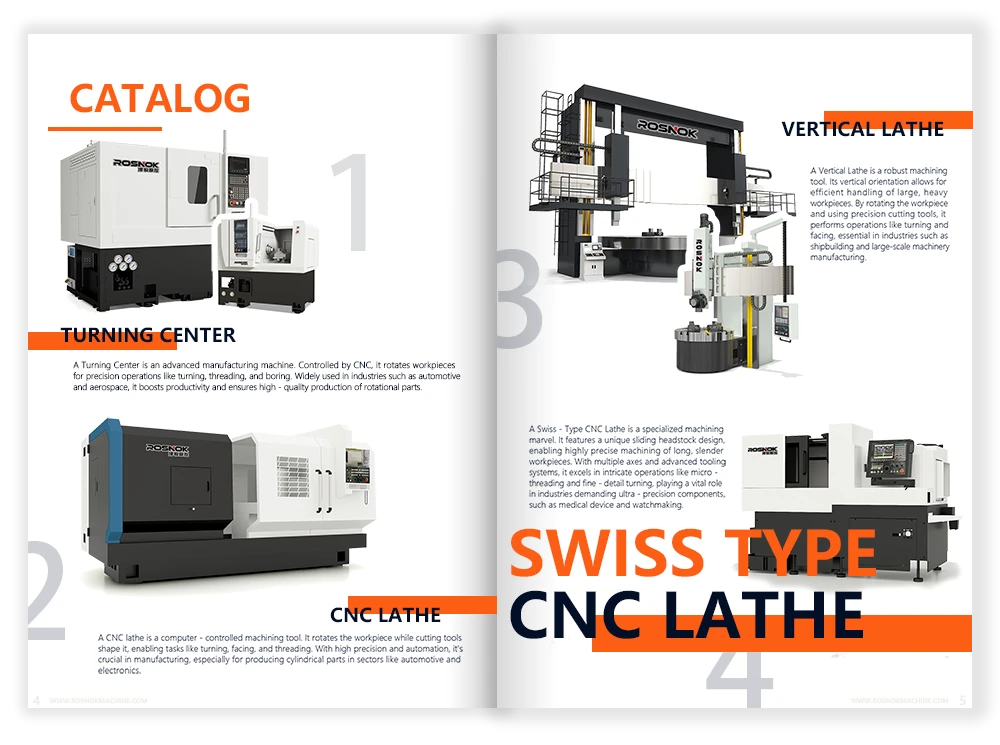
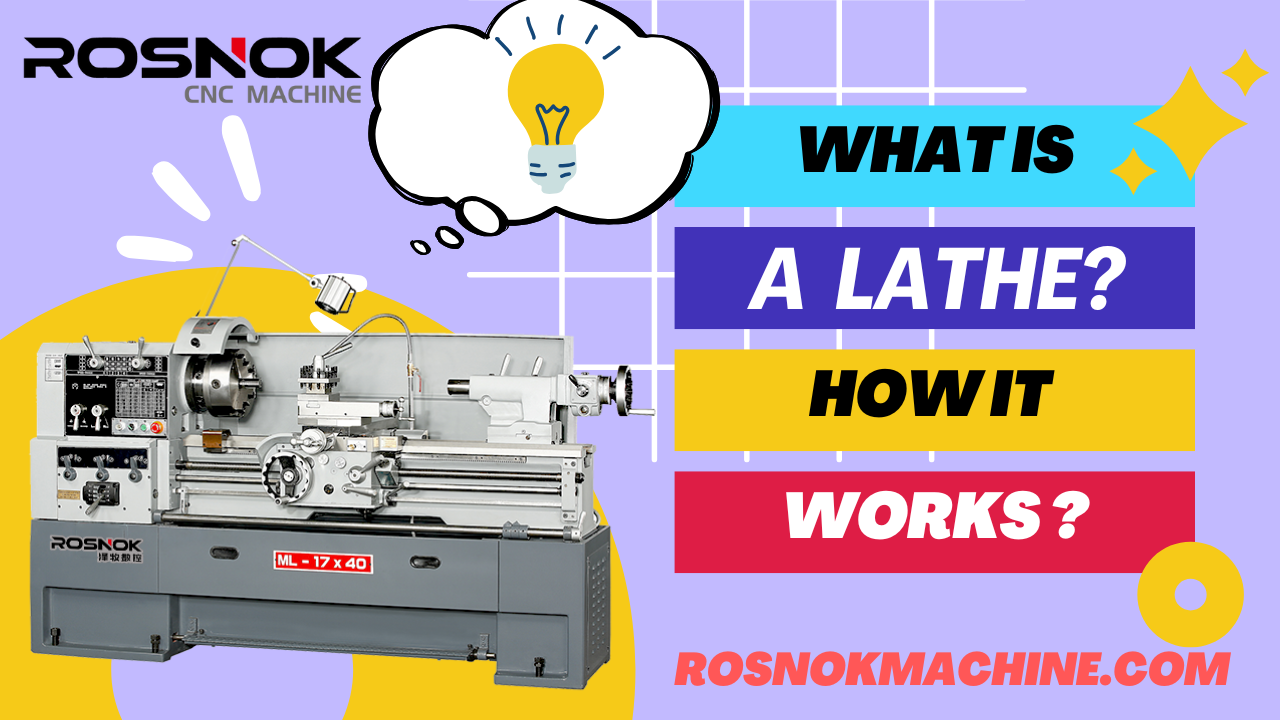
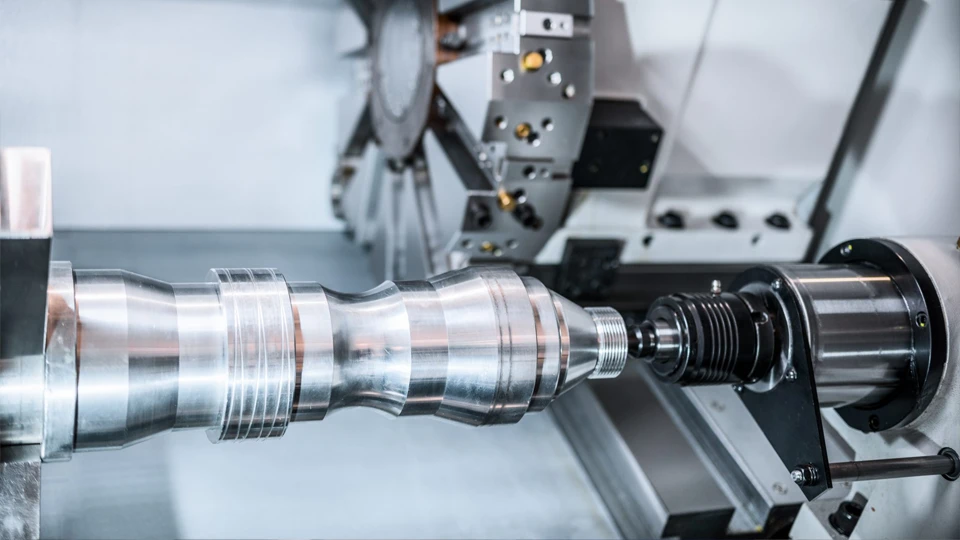
- CNC lathes are optimized for rotational machining—ideal for shafts, bushings, tubes, and threaded parts.
- Machining centers are designed for complex geometries and can perform multiple operations in a single setup, improving throughput.
- Vertical lathes (VTLs) handle large-diameter, heavy parts in industries like energy, mining, and transportation.
- Swiss-type lathes are used for micro components with high-precision demands, especially in medical, electronics, and watchmaking sectors.
- Drilling and tapping centers are efficient for high-speed hole-making in production lines.
- Boring machines are critical in heavy industry for internal surface finishing in large castings or structural parts.
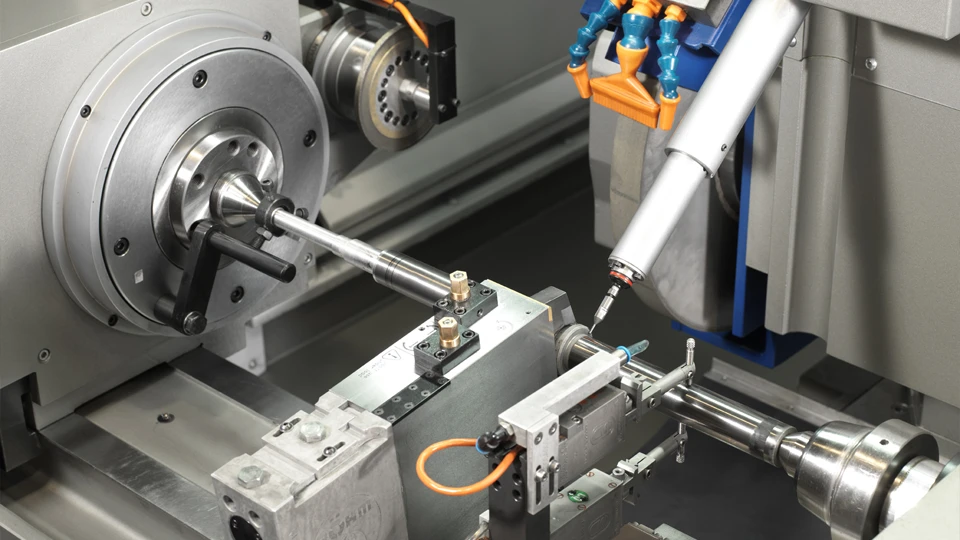
- Grinding machines are chosen when ultra-fine surface finish or tight tolerance is required after machining.
- CNC laser cutting machines are designed for fast, precise sheet metal cutting and are ideal for producing clean-edged profiles in light fabrication industries.
Selecting among these categories is not about brand or feature comparison—it’s about fit-for-purpose machine architecture. The core question is: does the structure and motion principle of this machine type match my part’s machining path and operational workflow?
Other factors like machine footprint, accessibility, tool configuration (single vs. multi-turret), and part handling requirements will also influence the decision. Some industries favor vertical designs to save space or support heavy workpieces. Others require horizontal layouts for better chip evacuation or multi-sided access.
It’s also important to consider future production flexibility. A highly specialized machine might maximize output for one product type but limit your ability to pivot when the market changes. On the other hand, a more versatile CNC platform—such as a hybrid machining center or configurable lathe—might offer longer-term value, especially in job-shop environments.
Choosing the correct machine category lays the groundwork for performance, efficiency, and return on investment. It ensures the machine you select is not just high-tech—but functionally aligned with what you actually need to make.
Step 3: Assess Key Performance Metrics
Once you’ve chosen the right machine type, the next layer of evaluation focuses on performance. Not all machines within the same category are created equal—differences in internal structure, motion systems, and mechanical components can significantly affect your machining results. This step is about assessing whether a specific machine’s technical capabilities can meet the performance your production demands.
Spindle Speed and Torque Balance
Spindle characteristics determine cutting capacity. High spindle speeds are essential for machining small parts, non-ferrous metals, or fine detail work, while high torque at lower speeds is critical for cutting hard materials or large-diameter workpieces. A mismatch here can lead to poor surface finish, vibration, or even premature spindle failure. Always check the spindle curve and ensure it aligns with your actual cutting needs—not just the maximum RPM.
Accuracy and Repeatability
Positional accuracy and repeatability affect your ability to meet tight tolerances consistently. Look for specs like linear positioning accuracy (e.g., ±0.005 mm) and repeat positioning accuracy (e.g., ±0.002 mm). Repeatability is especially important in high-volume production, where every part must match the last with minimal deviation. These values should be backed by third-party certification or factory inspection reports.
Tool System Compatibility (ATC and Turrets)
If your production involves frequent tool changes, an automatic tool changer (ATC) or turret system becomes essential. Consider tool capacity, change speed, and indexing precision. A slow or unreliable tool change system will reduce efficiency, especially in multi-process workflows. Also verify that the machine accepts standard tool holders compatible with your existing tooling inventory (BT, HSK, CAPTO, etc.).
Guideways and Structural Rigidity
The machine’s rigidity is a direct factor in cutting stability and vibration resistance. Heavier cast iron frames, wide box-type guideways, and dual-supported axes provide better structural integrity during aggressive machining. Lighter machines with linear guides may offer higher speed but sacrifice rigidity. You need to match guideway type with your application—high-force cutting demands box ways, while light, high-speed contouring may benefit from linear guides.
Control System Compatibility
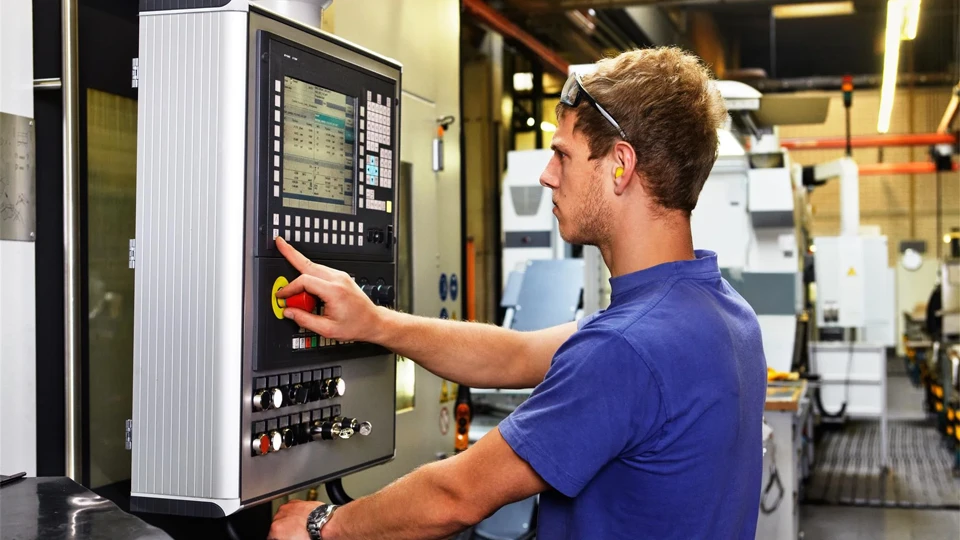
The CNC controller determines how the machine interprets commands and handles motion. Ensure the system (e.g., Fanuc, Siemens, Mitsubishi, GSK) is compatible with your team’s programming experience, CAD/CAM workflow, and diagnostic tools. Consider also the availability of local service and spare parts for the chosen control brand. Control response speed, interpolation accuracy, and user interface ergonomics are often overlooked—but vital.
Travel Range and Work Envelope Fit
Make sure the machine’s axis travel dimensions can accommodate your largest parts. Pay close attention to X, Y, Z stroke length, chuck or table size, and swing-over-bed capacity in turning machines. Buying a machine with too-small travel will limit your production flexibility, while oversizing may waste floor space and increase power consumption unnecessarily.
Motor and Servo Responsiveness
Look into the power, brand, and responsiveness of the main motors and servo systems. Machines with high-quality AC servos, digital drives, and closed-loop feedback will offer better dynamic performance, especially for tight tolerance contouring. Weak servos can result in overshoot, backlash, or sluggish acceleration—factors that reduce surface finish quality.
Intelligent Features and Automation Readiness
Modern CNC machines increasingly come with smart features that enhance maintenance, monitoring, and integration. Look for options like automatic lubrication systems, thermal compensation, remote diagnostics, and connectivity with factory networks (e.g., OPC UA, MTConnect). These features may not affect cutting directly, but they greatly reduce downtime and support predictive maintenance.
Step 4: Budget Planning and Cost Evaluation
After narrowing down your machine type and verifying its performance capabilities, the next essential task is budget planning. Buying a CNC machine is not a one-line expense. It’s a long-term capital investment, and the true cost includes much more than just the price tag on the machine itself.
Understand the Full Scope of Investment
Start by defining your maximum investment range. Beyond the base machine cost, consider additional charges such as:
- Transportation (especially for overseas freight)
- Customs duties and taxes (for imported machines)
- Installation, setup, and calibration
- Required accessories (chucks, collets, tool holders, coolant systems, etc.)
- Operator training and programming software
- Initial tooling and fixtures
Underestimating these extras can easily cause budget overruns or delay production readiness.
Evaluate Total Cost of Ownership (TCO)
Think long-term. A lower-priced machine may have higher operating costs, frequent downtimes, or faster component wear. Always calculate TCO over a 5–10 year horizon, including:
- Electricity consumption
- Maintenance frequency and spare parts availability
- Lubrication and consumables
- Tool wear due to machine instability
- Machine resale value and depreciation
Machines with better structural quality and proven component reliability may cost more upfront—but they usually lower your operating costs and last longer, increasing your ROI.
Match Budget to Your Business Model
Your purchase should align with your company’s production volume, customer commitments, and cash flow cycle. For example:
- A high-speed machining center may pay off fast in a 3-shift automotive part factory—but could be overkill for a low-volume prototyping workshop.
- A basic CNC lathe might be enough for job shops with diverse, low-frequency orders—but not stable enough for long-run contracts.
Budgeting isn’t just about spending less—it’s about spending wisely to match the reality of your production needs.
Consider Financing and Leasing Options
If cash flow is a concern, look into equipment financing or leasing. Many industrial banks and CNC dealers offer installment plans with flexible interest rates. Leasing also allows for periodic upgrades without holding long-term liabilities on your balance sheet. But be cautious—leasing may cost more over time if not negotiated properly.
Plan for Hidden and Recurring Costs
Finally, prepare for unexpected costs. These can include:
- Voltage conversion or site power upgrades
- Floor foundation modifications for heavy equipment
- Emergency repair costs in the first 12 months
- Warranty extensions or service contracts
- Software license renewals for CAD/CAM or controller systems
Even small recurring charges like coolant replacement or air filter changes can add up over time.
Step 5: Evaluate After-Sales Support and Operational Services
A CNC machine is not just a product—it’s a production asset that depends heavily on service quality to stay profitable. Even the best machine can become a liability if after-sales support is weak, slow, or unresponsive. That’s why assessing the operational support ecosystem is just as important as evaluating machine specs.
Availability of spare parts
Downtime caused by unavailable components can paralyze production. Always verify the supplier’s inventory of critical spare parts—especially motors, spindles, servo drives, tool changers, sensors, and controllers. Ask whether parts are stocked locally or must be shipped internationally, which affects lead time significantly.
Suppliers who commit to long-term parts availability (5–10 years) are better positioned to support stable operations and reduce your long-term risk.
Service response time and technical support
When a breakdown happens, every hour counts. Clarify the supplier’s standard response time for service calls, whether they offer remote diagnostics, and if local technicians are available in your region. Evaluate their working hours, escalation process, and language capabilities. A 48-hour response window might be acceptable in some countries—but not in high-volume, just-in-time environments.
Also ask: is technical support limited to breakdowns, or do they assist with troubleshooting, process optimization, and system upgrades?
Installation, calibration, and training
Reliable after-sales starts from Day 1. The supplier should offer on-site installation, leveling, alignment verification, and initial calibration. For teams new to CNC operations, operator training and basic programming instruction are crucial.
Many suppliers now provide digital training manuals, video tutorials, or even online simulation tools—ensure these are available in your preferred language and relevant to the control system you’ll be using.
Warranty coverage and service contracts
Don’t ignore the fine print. Confirm:
- Length of standard warranty (12, 18, or 24 months?)
- What’s covered: only electrical? Mechanical? Labor?
- What triggers voiding the warranty—unauthorized wiring, coolant types, power conditions?
For long-term assurance, ask if extended service contracts or preventive maintenance packages are available. These may include periodic inspections, software updates, or proactive component replacements—all of which reduce downtime and extend machine life.
Software and firmware support
With smart CNC machines becoming more connected, software updates and firmware compatibility are becoming critical. A supplier that keeps its control systems updated and compatible with modern CAD/CAM platforms offers better long-term value. This ensures your machine won’t become obsolete due to software stagnation.
Local vs. overseas support capability
If you’re buying internationally, check whether the supplier has authorized service centers or representatives in your country. A factory based in China, Germany, or Japan may seem far away—but with strong local partnerships or warehouses, service can still be fast and efficient.
Local support not only reduces downtime but also improves communication—especially in time-sensitive situations where remote diagnosis isn’t enough.
Ultimately, a CNC machine is only as good as the service standing behind it.
Reliable after-sales support safeguards your productivity, protects your investment, and reduces stress for your production team. Don’t just compare machines—compare service capability.
Conclusion
Buying a CNC machine is never just a purchase—it’s a long-term commitment that shapes the core of any manufacturer’s production capabilities. What matters most is not the flashiest specs, but the right fit: a fit for the parts being made, the operators using the equipment, and the growth plans ahead. When approached with a clear strategy—defining production goals, selecting the correct machine type, evaluating key performance factors, planning budget holistically, and ensuring strong after-sales support—this complex process becomes a structured, confident investment.
For companies seeking a supplier who understands these priorities in both engineering and execution, Rosnok stands out as a trusted manufacturer of high-performance CNC solutions. With deep expertise in CNC lathes, machining centers, vertical lathes, pipe-thread lathes, and Swiss-type equipment, Rosnok supports clients across Russia, Europe, South America, and Asia. The company combines scalable manufacturing with certified quality and responsive technical support—offering more than machines, Rosnok delivers lasting value in every stage of CNC ownership.