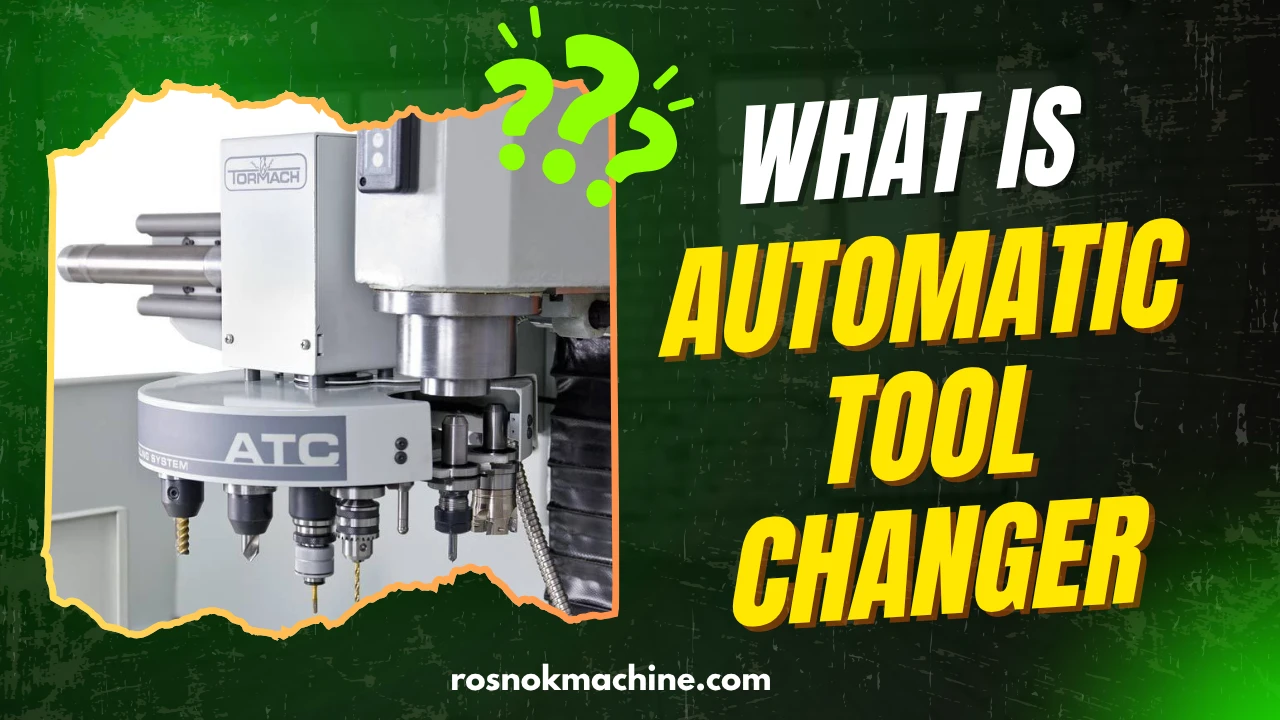
Automatic Tool Changer is often mentioned in CNC discussions—but what exactly is it? Many people hear the term without fully understanding its role. This gap creates confusion whenever efficiency, automation, or advanced machining comes up. If you’ve ever wondered what ATC really means, this article gives you the clear answer.
An Automatic Tool Changer (ATC) is a CNC machine feature that automatically swaps cutting tools during operations without manual intervention. By storing multiple tools in a magazine and quickly loading the right one when needed, ATCs improve machining speed, reduce errors, and simplify complex processes. In short, ATC saves time, boosts efficiency, and ensures smoother production by handling tool changes automatically—making it an essential component of modern machining centers.
Curious about how an Automatic Tool Changer really works? In the next sections, I’ll break down its structure, functions, and advantages in simple terms you can trust.
What Is an Automatic Tool Changer in CNC Machine?
An Automatic Tool Changer (ATC) is a system in CNC machines that replaces cutting tools automatically during machining. Instead of pausing the process to swap tools by hand, the ATC makes sure the right tool is loaded at the right moment. This ability keeps machining continuous, efficient, and precise.
In simple terms, the ATC connects the cutting spindle with a tool storage system, often called the magazine. When a new tool is needed, the changer quickly removes the current tool and inserts the next one, usually in just a few seconds. Compared to manual changes, this is faster, more consistent, and far less prone to error.
The importance of ATC is clear: it allows complex parts to be machined in one setup, reduces downtime, and ensures consistent quality. Whether in automotive, aerospace, or medical manufacturing, the automatic tool changer is one of the key features that turn a CNC machine into a reliable, high-productivity system.
Key Components of an Automatic Tool Changer System
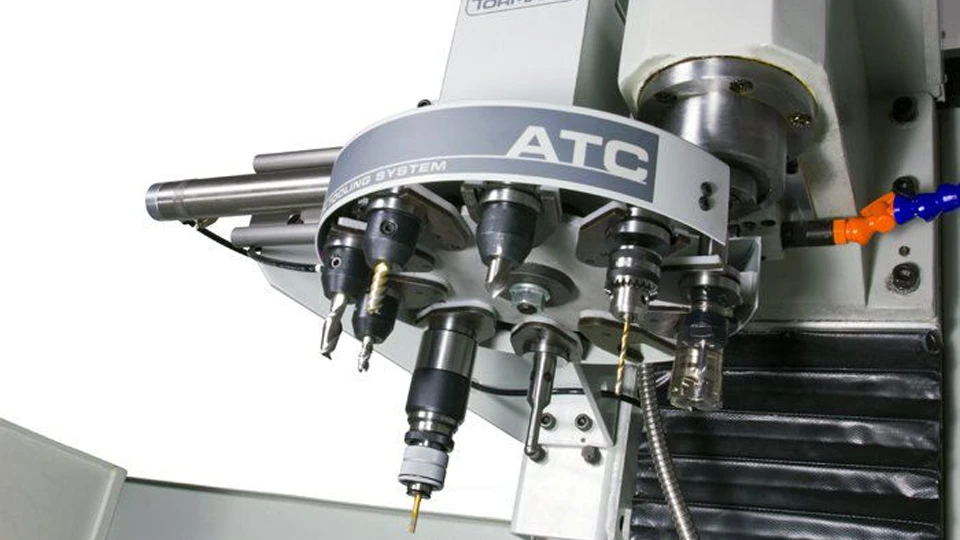
Before understanding how an ATC works, it helps to know the parts that make it possible. An automatic tool changer is not a single unit, but a system of coordinated components. Each plays a specific role in storing, moving, and securing tools so that machining can run smoothly.
Tool Magazine
Every automatic tool changer is built from several key components that work together to make tool switching fast and reliable. At the heart of the system is the tool magazine, a storage unit that holds multiple cutting tools. It can be designed as a disc, chain, or drum, depending on how many tools the machine needs and how quickly they must be accessed. The magazine is like a toolbox, keeping everything organized and ready.
Tool Holder, Spindle Interface, and Gripper Mechanism
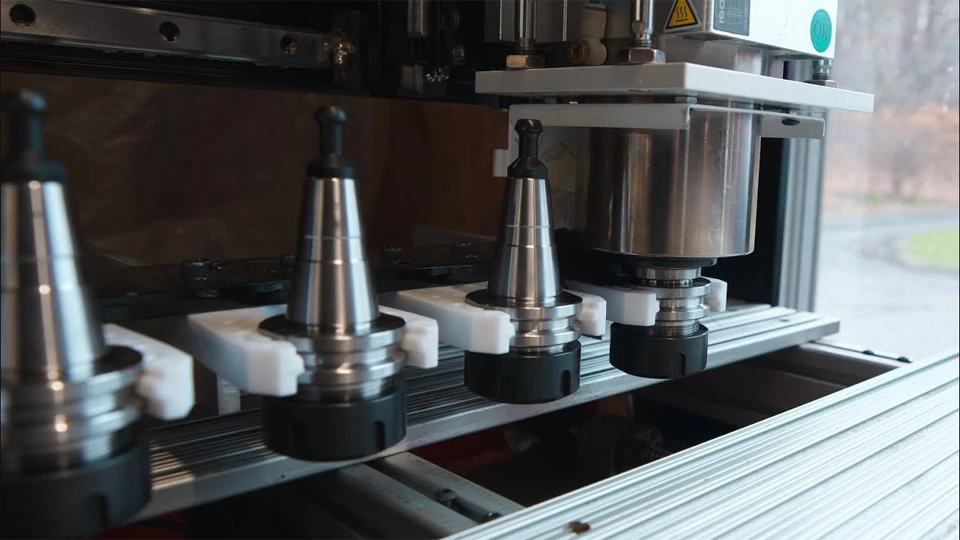
The second critical element is the tool holder and spindle interface. This is where the cutting tool is secured during machining. The connection must be strong enough to handle cutting forces, yet precise enough to maintain accuracy at high speeds. To transfer tools between the magazine and the spindle, ATC relies on an arm or gripper mechanism. This mechanical “hand” reaches into the magazine, picks up the correct tool, and locks it into place. Its movements are quick, controlled, and synchronized with the CNC program.
Drive, Control, and Safety Systems
Behind these mechanical parts lies the drive and control system, which coordinates the timing of every action. Sensors and safety systems confirm whether the tool is properly seated and prevent collisions if something goes wrong. Together, these components form a seamless process: storing, selecting, moving, and securing tools in just a few seconds. Without them, the automatic tool changer would not deliver the speed, precision, and reliability that make it essential in today’s CNC machines.
How Does an Automatic Tool Changer Work?
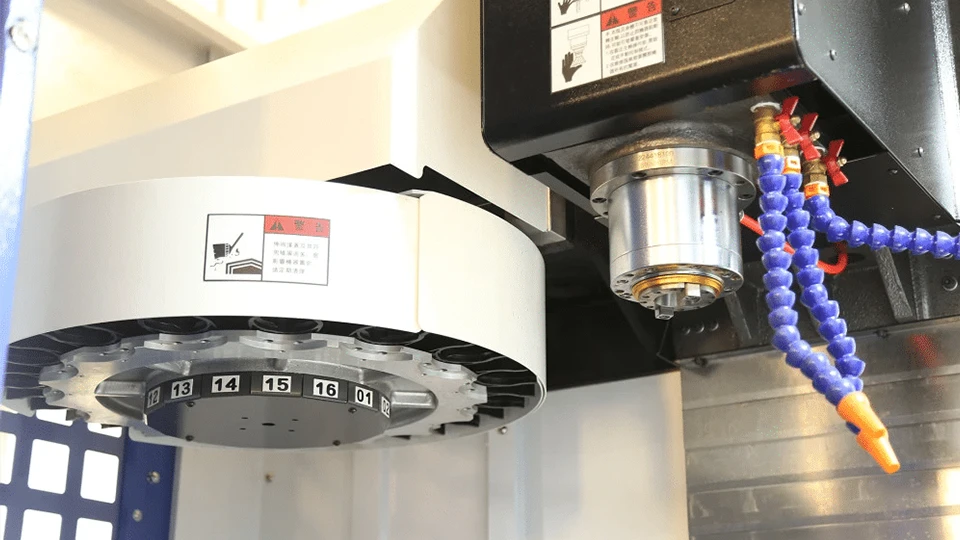
To understand the value of an ATC, it’s important to see how the process of automatic tool change actually happens. While the details vary depending on machine design, every CNC machine automatic tool changer follows the same basic steps: selecting the right tool, swapping it with the current one, and securing it for cutting.
Tool Selection
The process begins inside the tool magazine. The CNC program sends a signal that a new tool is required, and the magazine rotates or shifts until the correct tool position is aligned. This step ensures that the changer always knows where each tool is stored and can quickly prepare it for use.
Tool Exchange
Once the tool is positioned, the arm or gripper mechanism moves into place. It removes the current tool from the spindle and inserts the new one. The entire exchange usually takes just a few seconds, which is significantly faster and more reliable than manual replacement. This quick change keeps the machining cycle continuous and efficient.
Tool Confirmation and Cutting
After the tool is inserted, sensors check whether it is locked securely in the spindle. If the connection is correct, machining resumes immediately with the new tool. This automatic confirmation reduces errors, prevents tool crashes, and ensures that production continues without interruption. The smooth combination of tool selection, exchange, and confirmation is what makes an automatic tool changer a vital part of CNC machining.
Types of Automatic Tool Changers
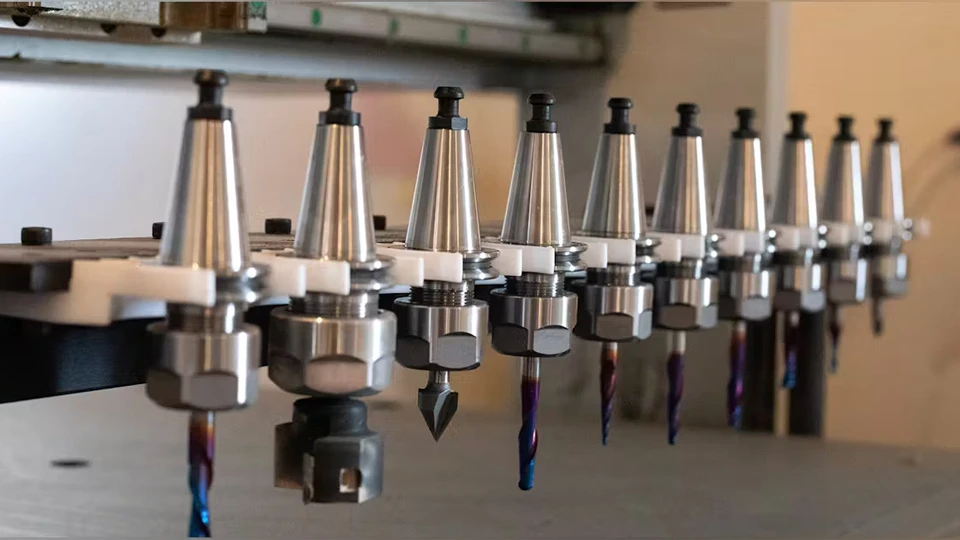
Automatic tool changers are not all built the same. Different machines require different ways of storing and exchanging tools, and that is why there are several types of automatic tool changer. The main designs you will see are disc type, chain type, and drum or arm type, each with its own strengths and applications.
Disc-Type ATC
The disc-type automatic tool changer is compact and simple in design. Tools are arranged around a circular disc, making it easy to rotate and select the next tool. This type is commonly found in smaller machining centers where space is limited and tool capacity requirements are modest. Its advantages are speed and simplicity, though it usually holds fewer tools compared to other systems.
Chain-Type ATC
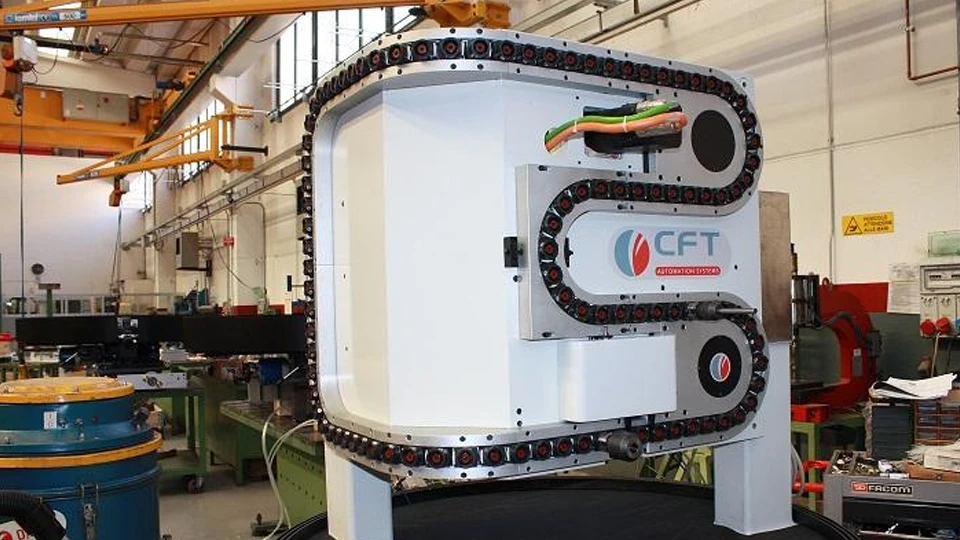
In a chain-type ATC, tools are stored along a chain that moves like a conveyor. This allows for a much larger tool capacity, sometimes holding dozens or even hundreds of tools. It is especially useful in machining environments where a wide variety of operations must be performed without manual intervention. While tool change speed may be slightly slower than a disc system, the capacity and flexibility make it ideal for large-scale production.
Drum and Arm-Type ATC
The drum or arm-type automatic tool changer is designed for speed and versatility. Tools are stored in a drum or carousel, and a robotic arm quickly moves them between the magazine and the spindle. This type balances capacity and change speed, making it popular in high-end CNC machining centers. Its flexibility allows complex parts to be completed in fewer setups, improving overall efficiency.

Benefits of Using ATC in CNC Machining
The introduction of an automatic tool changer is more than just a convenience—it changes the way CNC machining is carried out. By reducing downtime, minimizing human error, and improving consistency, ATCs provide tangible benefits that directly impact productivity and cost efficiency. These are some of the most important automatic tool changer advantages.
Improved Productivity
One of the clearest benefits is higher productivity. With an ATC, tools are switched in seconds without stopping the machining process. This continuous workflow reduces wasted time, especially in large production runs where hundreds of tool changes may be needed. The result is more parts produced in less time.
Greater Accuracy and Reliability
Manual tool changes can introduce mistakes, from incorrect tool placement to inconsistent tightening. An ATC removes this variable by automating the process. The tools are placed with precision every time, ensuring better accuracy and repeatability. In industries like aerospace or medical devices, where even minor errors can cause failures, this reliability is essential.
Reduced Costs and Better ROI
While adding an ATC may increase the initial investment of a CNC machine, the long-term savings are significant. Less downtime means lower labor costs, fewer scrapped parts, and faster turnaround times. Over time, the efficiency gains lead to a strong return on investment, making the automatic tool changer one of the smartest upgrades for modern machining.
ATC in Different CNC Machines
Automatic tool changers are widely used across different types of CNC equipment, but their role can look slightly different depending on the machine. Understanding how ATC fits into each type of system helps explain why it has become such a standard feature in modern machining.
ATC in Machining Centers
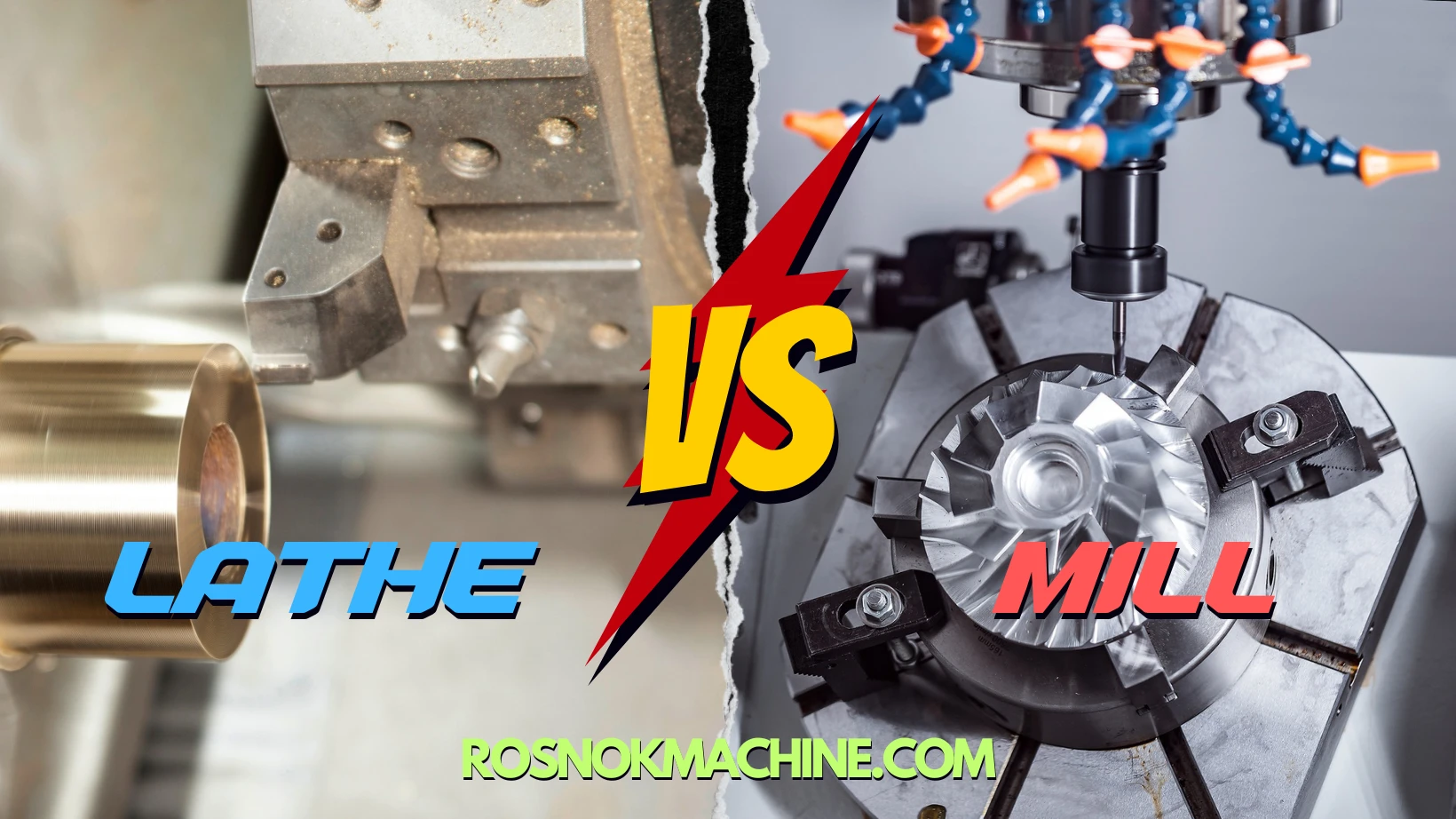
In machining centers, the automatic tool changer is often considered indispensable. These machines frequently perform milling, drilling, and tapping in one setup. An ATC allows the spindle to switch seamlessly between tools, enabling the machining of complex parts without operator interruption. This is where the speed and flexibility of ATC show the greatest impact.
ATC in CNC Lathes
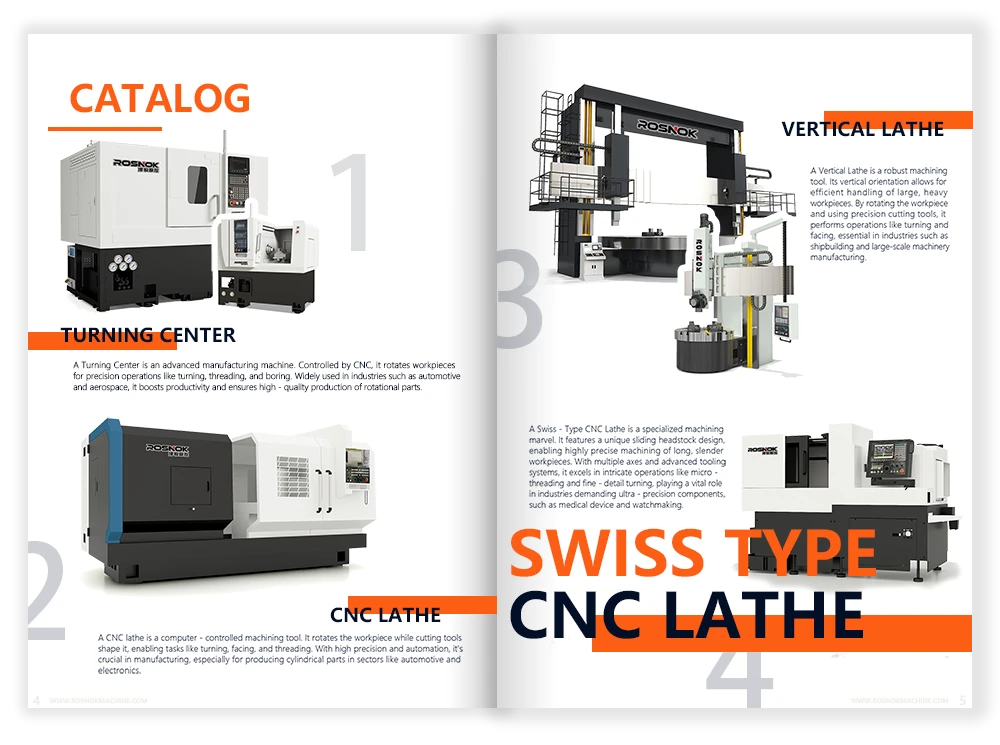
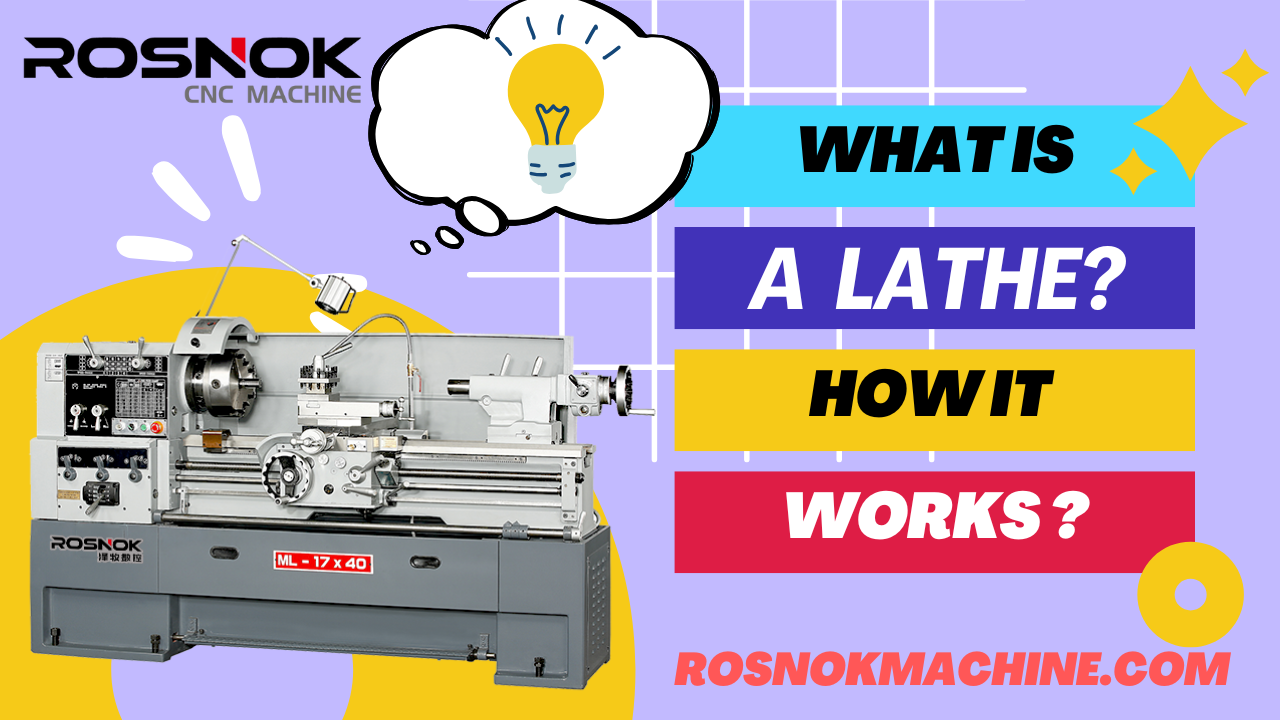
On CNC lathes, ATCs are less common but increasingly valuable in advanced models. They allow the lathe to handle multiple operations—such as turning, drilling, and boring—without stopping for manual changes. For production environments that need both precision and speed, an ATC-equipped lathe can reduce downtime and improve throughput significantly.
ATC in Swiss-Type and Vertical Lathes
In Swiss-type CNC lathes, which are used for small and highly precise components, an ATC enhances the ability to switch quickly between miniature tools. In vertical lathes or boring machines, the focus is often on handling large and heavy parts. Here, the ATC ensures that tool changes remain efficient and accurate even under demanding loads. In both cases, ATC extends the machine’s capability while maintaining reliability.
Common Challenges and Maintenance of ATC
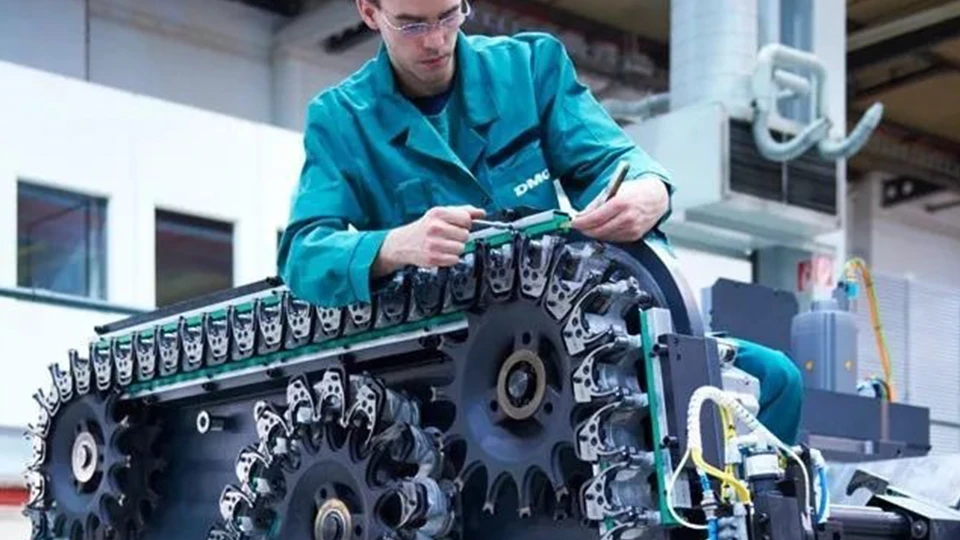
Even though automatic tool changers are designed for speed and reliability, they are not free from problems. Like any mechanical system, they require regular attention. Knowing the common issues and how to maintain an ATC helps prevent unexpected downtime and extends the machine’s lifespan.
Common Challenges
The most frequent problems with ATCs include tools getting stuck in the spindle, misalignment during tool exchange, or the arm mechanism failing to grab properly. These issues often appear after long hours of continuous operation or when tools are not properly maintained. While modern CNC automatic tool changers are built with safety checks, no system is immune to wear and tear.
Maintenance Essentials
Routine maintenance is the key to keeping an ATC running smoothly. This includes regular lubrication of moving parts, checking tool holders for wear, and calibrating the arm and spindle interface. Many machine builders recommend scheduled inspections to ensure the magazine and sensors remain precise. A well-maintained ATC not only avoids breakdowns but also delivers consistent accuracy in every automatic tool change.
Preventive Measures
Beyond routine maintenance, preventive practices can greatly reduce issues. Keeping the machine clean, using high-quality cutting tools, and avoiding overloading the magazine are simple but effective measures. Operators should also be trained to spot early warning signs, such as unusual noises or delays during tool changes. By taking these precautions, manufacturers ensure that the automatic tool changer continues to provide efficiency and reliability over the long term.
Choosing the Right ATC When Buying a CNC Machine
When purchasing a CNC machine, one of the most important configuration decisions involves the CNC automatic tool changer (ATC). Since the ATC is built into the machine and not something you can swap later like a tool or fixture, the choice must be made at the time of purchase. The right ATC ensures the machine’s performance aligns with your production goals.
Matching ATC to Your Production Needs
Start by analyzing the complexity of your parts and the number of different tools required. If your operations involve simple geometries with only a few tools, a compact disc-type ATC may be sufficient. But if you handle complex components or high-volume production, a chain-type or drum-type ATC with larger capacity and flexibility will be essential to keep up with demand.
Considering Long-Term ROI
Although a machine with a larger ATC may cost more upfront, the long-term benefits can outweigh the investment. Faster automatic tool changes reduce downtime, while greater tool capacity allows more jobs to be completed in one setup. For manufacturers aiming at efficiency and reliability, the right ATC configuration can deliver stronger returns over years of operation.
Making the Right Choice at Purchase
Since the ATC cannot be easily changed after installation, buyers must carefully review machine specifications and confirm the ATC type during procurement. Discussing future production plans with the supplier is essential. Choosing the right ATC at the beginning ensures your CNC machine will continue to meet your needs as production grows.
Future Trends of Automatic Tool Changers
Automatic tool changers have already transformed CNC machining, but the technology continues to evolve. As industries demand more speed, accuracy, and automation, ATCs are being upgraded to meet these needs. Looking ahead, three key trends are shaping the future of these systems.
Smarter Monitoring and Control
Tomorrow’s ATCs will be more intelligent. With integrated sensors and data connectivity, they will monitor tool wear, detect potential issues, and communicate with the CNC controller in real time. This shift toward smart diagnostics reduces unexpected downtime and aligns with the broader move toward Industry 4.0 and smart manufacturing.
Faster and More Efficient Tool Changes
Speed will remain a priority. Manufacturers are developing ATCs that can perform tool changes in fractions of a second, keeping pace with high-speed machining. Improvements in arm mechanisms, magazine design, and spindle interfaces will continue to reduce idle time, allowing shops to maximize spindle utilization.
Greater Flexibility and Adaptability
Future ATCs will also be designed to handle a wider variety of tools and machining tasks. From large tools used in heavy industries to micro-tools for medical components, flexibility will be essential. This adaptability ensures that a CNC machine with an advanced ATC can take on diverse jobs without the need for costly upgrades.
Conclusion
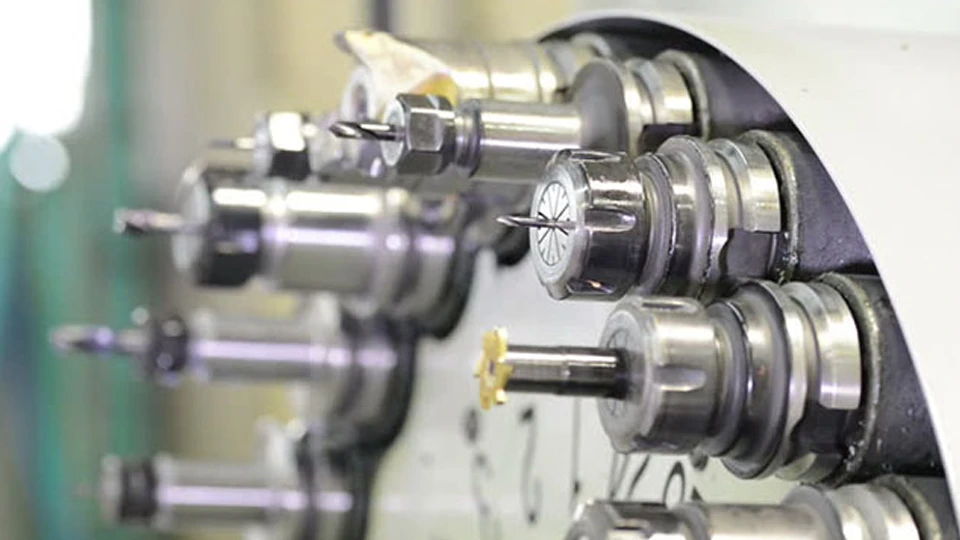
The journey of the automatic tool changer (ATC) reflects how CNC machining has evolved from labor-intensive processes into highly automated, precision-driven systems. It is more than a technical upgrade—it is a symbol of efficiency, accuracy, and modern manufacturing progress. In practical terms, the ATC saves time, minimizes errors, and enables complex parts to be completed in fewer setups, making it one of the most valuable systems in today’s machining world.
As a company committed to CNC innovation, Rosnok integrates advanced ATC systems into its machining centers, lathes, and other equipment. By combining durability, precision, and efficiency, we deliver solutions that help manufacturers worldwide achieve higher productivity and long-term value—quietly but firmly showing why Rosnok is trusted in the field of CNC machine tools.