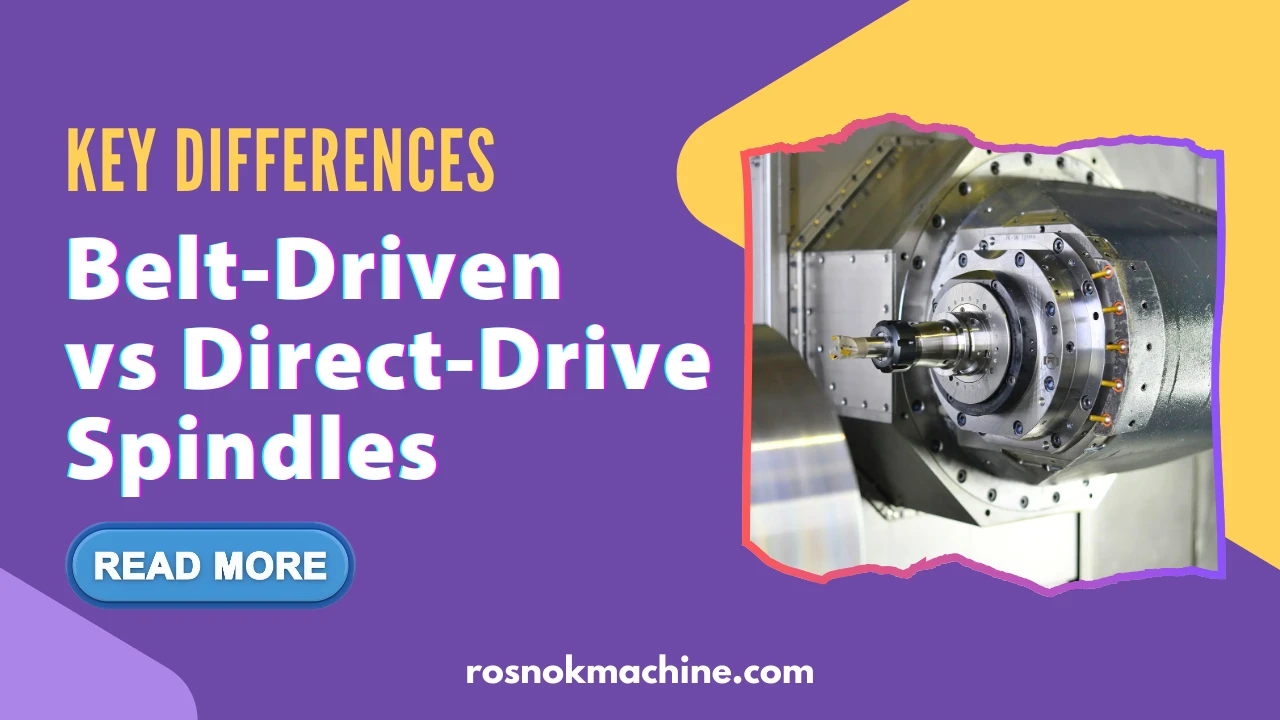
Belt-driven and direct-drive spindles each offer distinct advantages in CNC machining. Belt-driven spindles are often valued for flexibility, strong torque performance, and lower initial cost. Direct-drive spindles are known for smoother power transmission, faster response, and reduced vibration. The key differences come down to speed behavior, finish quality, maintenance needs, and overall machining performance.
Keep reading to see where belt-driven and direct-drive spindles really differ, and why those differences matter in actual CNC machining.
What Is a Belt-Driven Spindle?
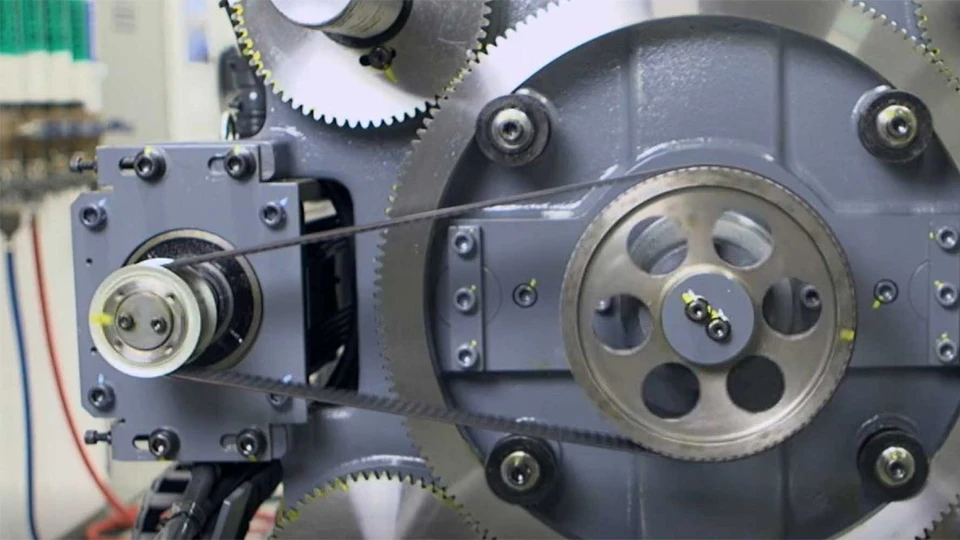
A belt-driven spindle is a spindle system in which motor power is transmitted to the spindle through a belt and pulley arrangement. Instead of driving the spindle directly, the motor delivers rotational force through an intermediate transmission stage before that force reaches the spindle. In CNC machines, this drive design is used to rotate the spindle so the cutting tool can perform machining operations.
In a typical belt-driven spindle setup, the motor generates power, and that power is transferred through a belt connected to pulleys before it reaches the spindle shaft. This means the spindle is not driven by a direct motor-to-spindle connection. The belt serves as the transmission link between the motor and the spindle, creating a physically separated drive arrangement within the spindle system.
In CNC machining, a belt-driven spindle is one of the common spindle drive designs used in a wide range of machines. Its defining feature is not a specific machining result, but the way power is delivered from the motor to the spindle. That transmission path forms the structural foundation for the differences discussed later in spindle design and machine behavior.
What Is a Direct-Drive Spindle?
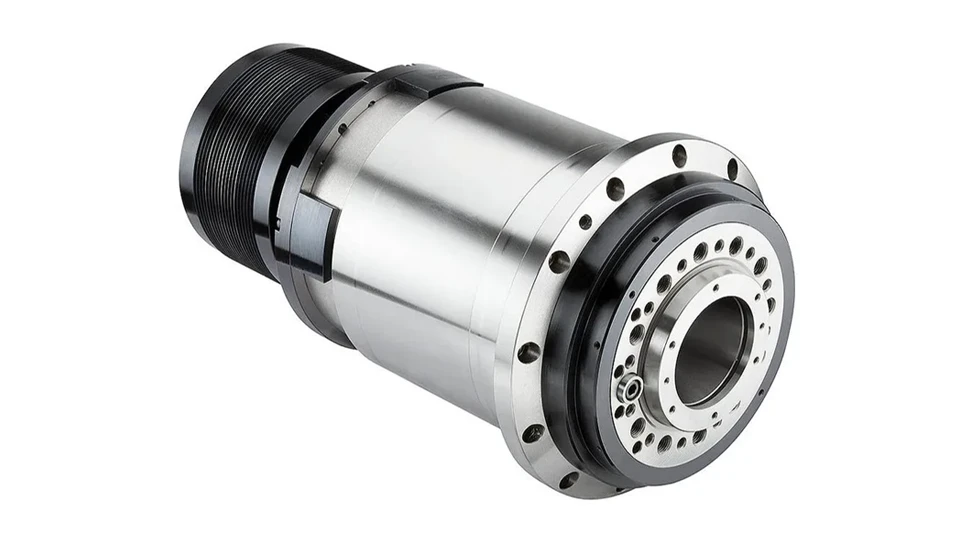
A direct-drive spindle is a spindle system in which the motor transmits power to the spindle through a more direct connection, without using a belt and pulley arrangement. In CNC machines, this drive design is used to rotate the spindle for cutting operations and forms one of the main spindle drive structures used in modern machine tools.
Unlike a belt-driven layout, a direct-drive spindle is built around a closer mechanical relationship between the motor side and the spindle side. This means the drive system is arranged with fewer intermediate transmission elements inside the spindle assembly. From a structural point of view, the defining feature of a direct-drive spindle is not a specific machining outcome, but the way rotational power is delivered through a more direct motor-to-spindle transmission path.
In spindle design, this type of arrangement is typically treated as a distinct drive architecture rather than just a small variation of a belt-driven system. It represents a different way of organizing the spindle unit itself, because the transmission structure is simplified at the mechanical level. For that reason, a direct-drive spindle is usually discussed as a separate spindle category in CNC machine design.
Belt-Driven vs Direct-Drive Spindles: Key Differences
Belt-driven and direct-drive spindles differ in more than name alone. Their key differences can be seen in drive structure, machining performance, and maintenance-related considerations, which together shape how each spindle design is understood in CNC machining.
The Core Structural Difference
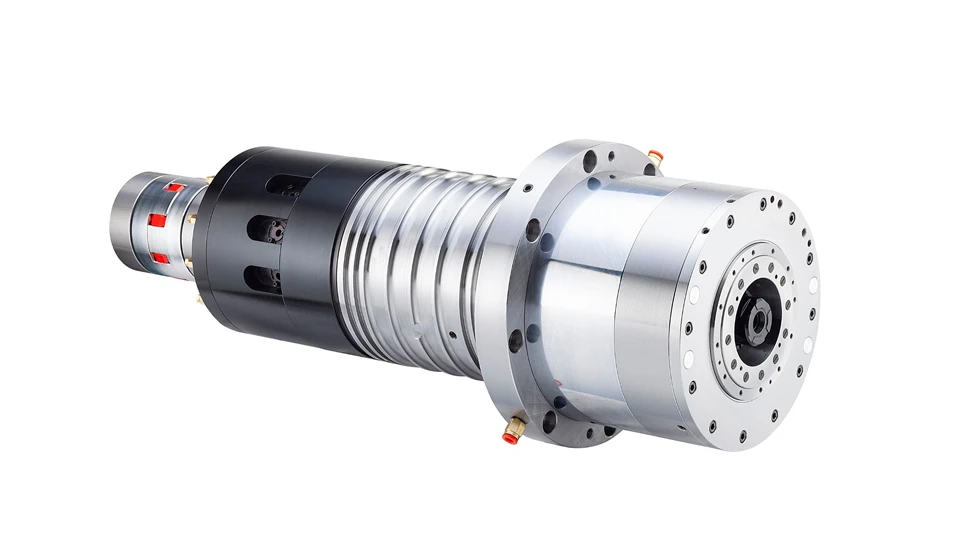
The fundamental distinction between these two designs lies in their mechanical alignment and power transmission path. A belt-driven spindle utilizes a parallel arrangement, where the motor is mounted alongside the spindle head, transferring rotational force through a synchronized belt and pulley system. This setup creates an intermediate drive layer, physically separating the motor’s housing from the spindle shaft.
In contrast, a direct-drive spindle is built on an inline, or coaxial, architecture. It eliminates the need for an external belt stage by connecting the motor’s rotor directly to the spindle shaft—typically via a high-precision coupling. This results in a more integrated transmission structure, where the motor and spindle operate as a single, streamlined unit within the spindle assembly.
Ultimately, these different layouts dictate how the machine manages space, heat, and vibration. The “offset” nature of the belt-driven system vs. the “linear” nature of the direct-drive system forms the engineering basis for the performance variations discussed in the next section.
Performance Differences
The performance gap between belt-driven and direct-drive spindles becomes clearer once the comparison moves from structure to machining behavior. While both designs perform the same basic function, they do not respond to cutting loads, speed changes, vibration, or surface demands in exactly the same way. These differences are best understood by looking at how each spindle behaves under real machining conditions rather than by relying on a single specification.
Torque Delivery
Torque delivery is one of the most important performance differences between belt-driven and direct-drive spindles. In practical terms, torque affects how strongly the spindle can drive the cutting tool, especially at lower speeds and under heavier cutting loads. This is why torque matters so much in roughing operations and other applications where cutting force is more important than maximum spindle speed.
In many cases, belt-driven spindles are associated with stronger low-speed cutting capability because the belt and pulley system can be configured to provide mechanical advantage through pulley ratio. This allows the spindle side to be set up for torque-oriented output rather than direct speed matching alone. The belt also introduces a degree of elasticity into the transmission path, which can help absorb part of the intermittent shock load generated during heavier cutting.
Direct-drive spindles, by contrast, do not rely on that kind of pulley-based torque adjustment. Their torque behavior comes from a more direct transmission path between the motor and the spindle, which gives them a different power delivery character. For this reason, the difference is not simply about which spindle is stronger, but about how each design delivers cutting force under actual machining conditions.
Speed and Acceleration
Speed and acceleration are another major point of difference between belt-driven and direct-drive spindles. In CNC machining, spindle performance is not defined by maximum RPM alone. It also depends on how quickly the spindle can accelerate, decelerate, and stabilize at the required speed during changing machining conditions.
Belt-driven spindles can reach high operating speeds, but their response is influenced by the transmission system itself. Because the drive path includes belts and pulleys, the system must carry additional rotating elements, which can increase overall transmission inertia. The belt also introduces a small degree of elasticity into the drive path, so speed changes may feel slightly less immediate during rapid acceleration and deceleration.
Direct-drive spindles are generally associated with faster speed response because power is transmitted through a more direct path with fewer intermediate rotating components. This can help the spindle accelerate and decelerate more quickly, especially in machining processes that require frequent speed changes or close speed synchronization, such as rigid tapping. In this comparison, the key difference is not simply how fast the spindle can run, but how directly and how quickly each design responds when spindle speed must change in real time.
Vibration and Stability
Vibration and stability are closely related in spindle performance. In CNC machining, excessive vibration can reduce cutting consistency, shorten tool life, and make the machining process less stable overall. For this reason, the comparison between belt-driven and direct-drive spindles is also a comparison of how each system manages mechanical disturbance during cutting.
In a belt-driven spindle, the belt and pulley transmission path introduces additional moving elements into the system. Under certain machining conditions, these added elements can create more variables in vibration behavior, particularly at higher speeds or during less stable cutting. At the same time, the belt also provides a degree of damping because its elasticity can soften part of the intermittent shock generated in interrupted cutting.
A direct-drive spindle uses a more direct transmission structure with fewer intermediate elements, so its mechanical response is often associated with higher stability in the drive path itself. This can help the spindle maintain more consistent behavior when machining conditions require steady rotation, stable tool engagement, and closer process control. In this comparison, the main issue is not vibration alone, but how each spindle design supports cutting stability under sensitive machining conditions.
Surface Finish
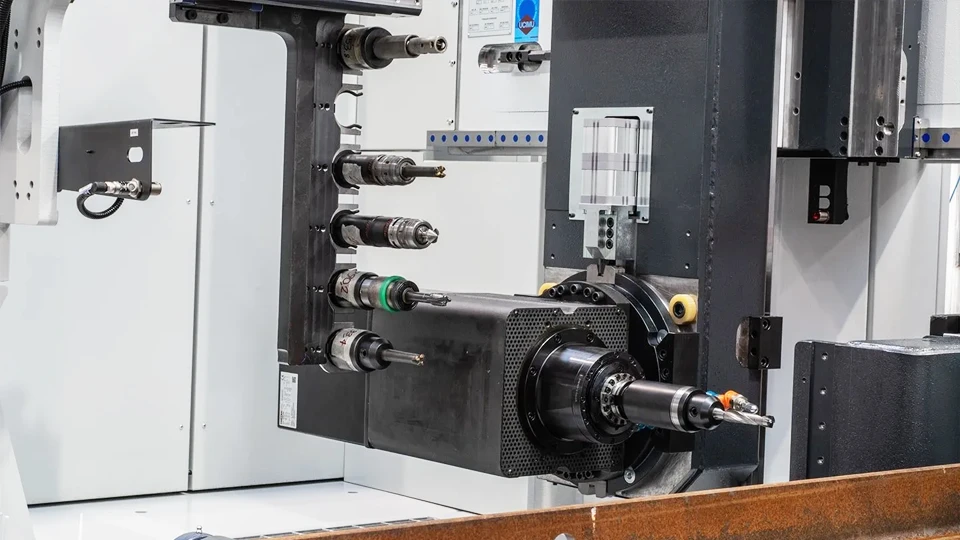
Surface finish is influenced by how steadily the spindle delivers rotation during cutting. In CNC machining, surface quality depends on more than tooling and cutting parameters alone. It is also affected by transmission smoothness, vibration control, and the consistency of spindle behavior throughout the cut.
In a belt-driven spindle, finish quality can be more sensitive to the condition of the transmission system because belts, pulleys, and belt tension are all part of the drive path. This does not prevent a belt-driven spindle from producing good surface quality, but it does mean that transmission-related variation can have a more visible effect in finishing operations that demand consistent spindle smoothness.
A direct-drive spindle uses a more direct transmission path with fewer intermediate elements, so its spindle behavior is often associated with more uniform cutting action during finishing. This can help support more consistent and repeatable surface quality when the machining process places a high priority on finish control. In this comparison, the key point is not that one spindle always produces a better finish, but that spindle transmission design can affect how consistently that finish is maintained.
Noise and Smoothness
Noise and smoothness reflect how cleanly the spindle system runs during operation. In CNC machining, smoother spindle behavior usually supports a more controlled cutting process, while added mechanical noise can indicate more transmission-related disturbance within the system.
In a belt-driven spindle, belts and pulleys are part of the rotating drive path, so the acoustic profile of the system is influenced more directly by belt condition, tension, alignment, and transmission movement. This does not prevent stable machining, but it does mean overall running smoothness depends more on the condition of the transmission components. At higher speeds, the drive system may also produce more noticeable transmission-related noise.
A direct-drive spindle uses a more direct transmission structure with fewer intermediate elements, so its operation is often associated with a cleaner mechanical feel and lower transmission-related noise. In this comparison, the key difference is not noise alone, but how cleanly and steadily each spindle design runs as part of the overall machining process.
Maintenance and Operating Cost Differences
Maintenance and operating cost differences are an important part of the comparison because spindle value is measured not only by machining performance, but also by the cost of keeping the machine running reliably over time. In CNC production, that includes routine service, maintenance predictability, labor input, and the effect of downtime on daily output.
In a belt-driven spindle, the transmission system includes belts, pulleys, and tension-related components, so there are more parts that require periodic inspection and adjustment. Belt condition, alignment, and wear can all influence how the spindle runs over time. This does not make a belt-driven spindle impractical, but it does mean long-term operation depends more on regular maintenance intervals and manual service work. Even when the replacement parts themselves are relatively straightforward, the labor involved and the scheduled downtime required for inspection or adjustment remain part of the operating cost.
A direct-drive spindle uses a more integrated transmission structure with fewer intermediate components, so there is no separate belt stage to inspect, tension, or replace. From a routine maintenance perspective, this can simplify the transmission side of spindle upkeep and reduce the need for manual adjustment. In operating cost terms, the difference is not only about replacement parts, but also about how much routine service time the spindle drive system demands over time.
Advantages of Belt-Driven Spindles
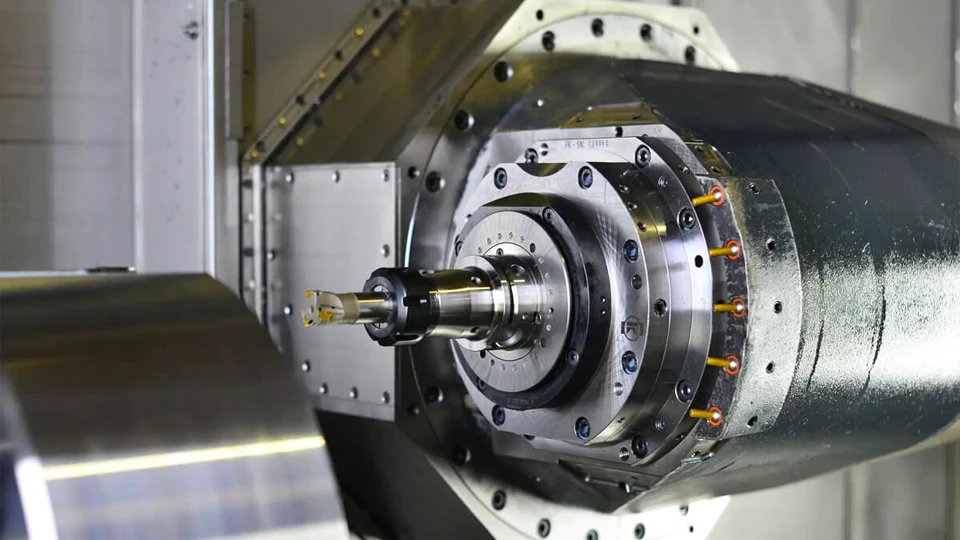
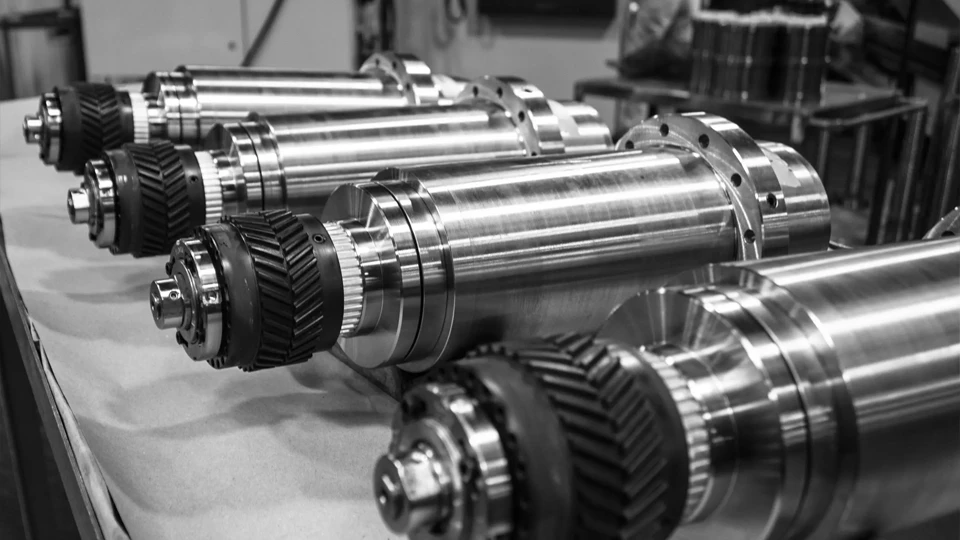
Belt-driven spindles offer a set of advantages that continue to make them relevant in CNC machining. These advantages are closely related to how the spindle is built and how it behaves in actual machine use.
Stronger Low-Speed Torque for Heavy Cutting
One of the main advantages of a belt-driven spindle is its suitability for torque-oriented machining. Through pulley ratio, the belt-and-pulley system can provide mechanical advantage, allowing the spindle side to be configured for stronger low-speed output. This makes belt-driven spindles especially practical in machining tasks where cutting force matters more than maximum spindle speed.
More Flexible Transmission Setup
Another advantage is transmission flexibility. Because the drive system includes a belt stage and pulley arrangement, the spindle can be configured around a specific balance of speed and torque rather than one fixed transmission relationship alone. This gives machine builders more flexibility when matching spindle design to different machining purposes.
More Familiar and Cost-Effective Maintenance
Belt-driven spindles also offer a maintenance structure that many users find familiar and manageable in daily factory operation. The transmission components are visible, accessible, and easier to service from a routine maintenance standpoint. Because the belt is a replaceable wear component, routine service is often more straightforward and cost-effective in common maintenance scenarios.
Better Shock Absorption in Certain Cutting Conditions
A further advantage is that the belt introduces a degree of elasticity into the transmission path. Under certain cutting conditions, especially during interrupted cuts, this can provide a buffering effect within the drive system. While it does not eliminate load-related stress, it can help soften part of the shock transmitted through the spindle drive path.
Advantages of Direct-Drive Spindles
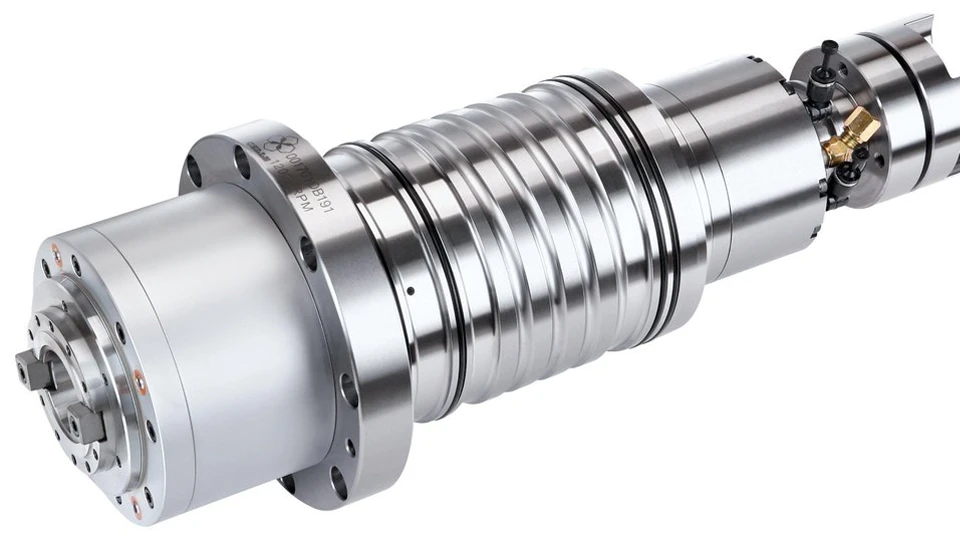
Direct-drive spindles offer a different set of advantages in CNC machining. These strengths are mainly related to their more direct transmission structure and the way that structure supports speed response, running smoothness, and finishing consistency.
Faster Speed Response and Acceleration
One of the main advantages of a direct-drive spindle is its ability to respond more quickly to speed changes. Because there is no separate belt stage in the transmission path, spindle speed can accelerate and decelerate in a more direct way with lower transmission inertia. This makes direct-drive spindles especially suitable for machining processes that involve frequent speed adjustment or close speed synchronization.
Smoother and Quieter Operation
Direct-drive spindles are also associated with smoother mechanical operation. With fewer intermediate transmission elements in the drive path, the system typically produces less transmission-related disturbance during rotation. This can support a cleaner running feel, lower operating noise, and more stable behavior during higher-speed operation.
More Consistent Surface Finish Behavior
Another advantage is finish consistency. Because the transmission path is more direct and contains fewer intermediate components, spindle behavior is often more uniform during finishing operations. This can help support more consistent and repeatable surface quality when the machining process places a high priority on finish control.
Less Routine Maintenance
A further advantage is the reduction of routine maintenance on the transmission side. Since there is no separate belt stage to inspect, tension, or replace, the spindle drive system requires less manual attention in this area during normal operation. This can simplify day-to-day upkeep and reduce routine service demands over time.
Limitations of Belt-Driven Spindles
Belt-driven spindles also have limitations that become more noticeable in certain machining situations. These limitations are mainly related to the added transmission stage and the extra components required to transfer power from the motor to the spindle.
Less Direct Speed Response
One limitation of a belt-driven spindle is that speed changes are not transmitted as directly as in a direct-drive system. Because the drive path includes belts and pulleys, acceleration and deceleration can feel less immediate during machining processes that require frequent speed changes.
More Transmission-Related Maintenance
A belt-driven spindle also depends more on the condition of its transmission components. Belts, pulleys, and belt tension all require periodic inspection and adjustment, which adds routine maintenance requirements over time. This does not make the system difficult to use, but it does mean maintenance involves not only part replacement, but also correct transmission adjustment to keep the spindle drive path running consistently.
More Sensitivity to Transmission Condition
Another limitation is that spindle behavior can be affected more easily by changes in belt condition, alignment, or wear. As a result, the consistency of the drive system depends more on the maintenance state of the transmission components than in a spindle system with no separate belt stage.
Less Ideal for High-Speed Smoothness
In machining situations where high-speed smoothness and rapid response are especially important, a belt-driven spindle may be less naturally suited to that priority. The added transmission layer can introduce more variation into the drive path, and transmission-related noise may also become more noticeable at higher speeds, which makes this design less advantageous in applications that depend heavily on highly direct spindle behavior.
Limitations of Direct-Drive Spindles
Direct-drive spindles also have limitations, even though they offer clear advantages in speed response and transmission simplicity. These limitations are usually related to cost structure, application fit, and the fact that a more integrated spindle design does not always offer the most practical solution for every machining situation.
Higher Initial Cost
One limitation of a direct-drive spindle is its higher initial cost in many machine configurations. Because the drive system is more integrated, the overall spindle design is often positioned at a higher price level than a comparable belt-driven setup. This can make direct-drive spindles less attractive in projects where budget control is a major priority.
Less Flexibility in Transmission Setup
A direct-drive spindle also offers less transmission flexibility than a belt-driven design. Since there is no pulley-based transmission stage to adjust the speed-torque relationship, the drive system does not provide the same degree of mechanical configuration freedom. This can make the spindle less adaptable in cases where a more torque-oriented transmission setup is preferred.
Less Advantage in Heavy Low-Speed Cutting
In machining situations where strong low-speed cutting force is a higher priority than rapid speed response, a direct-drive spindle may offer less practical advantage. Its design is built around a more direct transmission path rather than pulley-based mechanical advantage, so it is not always the most natural fit for torque-oriented heavy cutting applications.
More Complex Major Repairs
Another limitation is that a direct-drive spindle can be more complex when major repair is required. Because the drive system is more integrated, certain repair situations may be less straightforward than routine service on a belt-driven transmission system. In some cases, this can lead to longer downtime and a more involved repair process when compared with simpler transmission-side maintenance.
More Dependent on Overall System Value
The value of a direct-drive spindle also depends more heavily on whether the machining process actually benefits from its strengths. If the application does not require frequent speed changes, smoother high-speed behavior, or lower routine transmission maintenance, the added cost of a direct-drive design may be harder to justify in practical production terms.
Conclusion
Choosing between belt-driven and direct-drive spindles is not about deciding which design is universally better, but about understanding which one fits the machining task more effectively. Belt-driven spindles offer practical strengths in low-speed torque, transmission flexibility, and serviceability, while direct-drive spindles stand out in speed response, running smoothness, and finish consistency. In the end, the key difference lies in how each spindle design balances performance, maintenance, and production priorities in real CNC machining.
For manufacturers evaluating spindle design as part of a broader machine investment, the more important step is to work with a supplier that understands how these technical differences affect real production results. At Rosnok, spindle configuration is considered as part of the complete machine solution, helping customers match CNC equipment more accurately to their machining needs, production goals, and long-term operating plans.