How Does a Drilling Machine Work?
A drilling machine works by removing material through the combined action of tool rotation and axial feed. During operation, the drill bit rotates around its own axis while being fed straight into the stationary workpiece, cutting material at the tool tip and along the cutting edges.
The rotation of the drill bit provides the cutting motion. Its speed is selected based on the material type, drill diameter, and required hole quality. Harder materials and larger drill diameters generally require lower spindle speeds to maintain cutting stability and tool life.
The feed motion moves the rotating drill into the workpiece along the spindle axis. Feed rate directly affects chip formation, surface finish, and hole accuracy. Excessive feed can cause tool deflection or breakage, while insufficient feed leads to rubbing instead of cutting.
As the drill penetrates the material, chips are formed and evacuated through the flutes. Effective chip removal is essential to prevent heat buildup, tool wear, and hole quality issues, especially in deep-hole drilling.
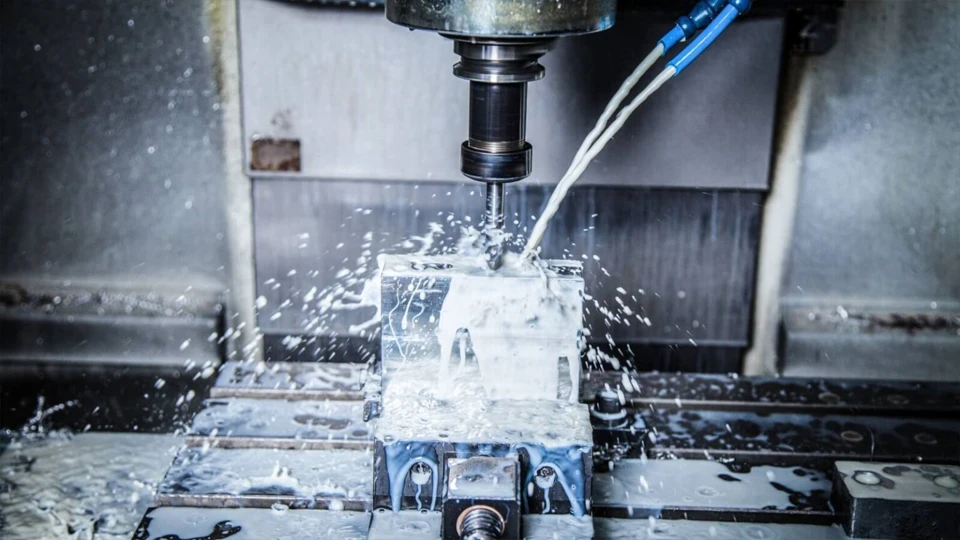
The accuracy of the drilling process depends on machine rigidity, spindle alignment, proper clamping, stable cutting conditions, and effective cooling or lubrication during cutting. Any vibration, misalignment, or insufficient support can result in oversized holes, poor surface finish, or positional errors.

Main Parts of a Drilling Machine
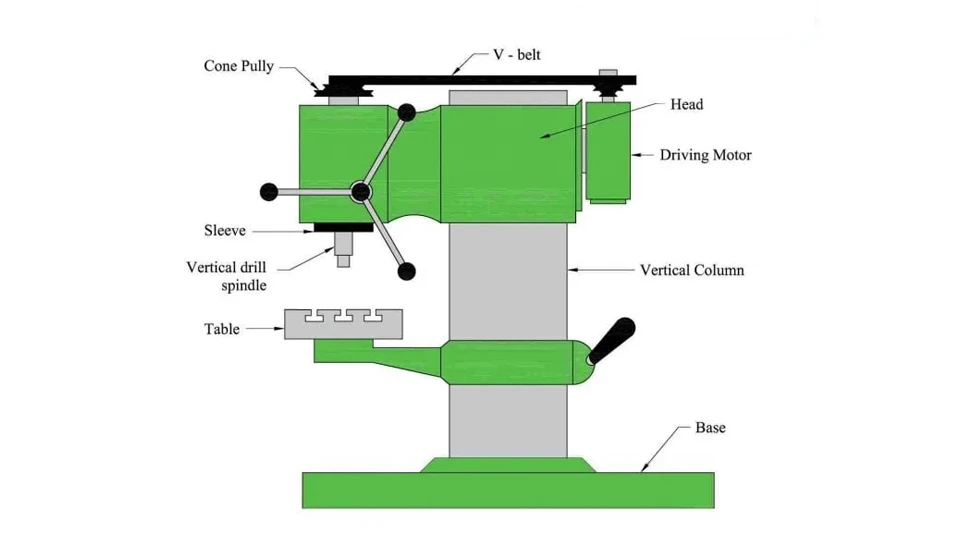
A drilling machine is made up of structural parts that keep the machine rigid and aligned, and functional parts that generate and control drilling motion. Together, they provide stable spindle rotation, controlled axial feed, and reliable workpiece support so holes can be produced consistently.
1. Base and Column
The base is the machine’s foundation. It supports the full weight of the drilling machine and helps resist cutting forces and vibration during drilling. A heavier, more rigid base generally improves stability.
The column is mounted vertically on the base and supports the drilling head and feed assembly. Its job is to maintain straightness and alignment between the spindle axis and the worktable. If the column lacks rigidity, the drilling head can deflect under load, affecting hole straightness and positional accuracy.
2. Spindle and Drive System
The spindle is the rotating unit that holds the drill bit and transmits torque to it. Spindle runout and bearing condition directly influence hole quality, especially when drilling small diameters or deeper holes.
The drive system powers the spindle and provides selectable speeds. Common designs include belt drive, gear drive, or direct drive. The practical goal is stable rotation with enough torque across the machine’s speed range for different materials and drill sizes.
3. Feed Mechanism
The feed mechanism produces the axial motion that advances the rotating drill into the workpiece. It controls drilling depth and feed consistency, which strongly affect chip formation, surface finish, and tool load.
Depending on the machine type, feed can be manual or powered. A stable feed mechanism helps avoid sudden thrust spikes that can cause tool breakage or poor hole geometry.
4. Worktable and Clamping System
The worktable supports the workpiece and provides a reference surface for drilling. Tables are typically adjustable in height or position to match different part sizes and drilling locations.
The clamping system secures the workpiece so it cannot rotate, lift, or shift under drilling torque and thrust. Common methods include a machine vise, step clamps, fixtures, and V-blocks for round parts. Reliable clamping is fundamental to repeatable hole position and perpendicularity.
5. Control System (Conventional vs CNC)
In conventional drilling machines, the operator sets spindle speed and controls feed and positioning through mechanical controls and manual operation.
In CNC drilling machines, the control system commands spindle speed, feed rate, and axis positioning according to a program. The CNC system improves repeatability and reduces operator dependence for positioning and cycle consistency, while the mechanical spindle and feed hardware still determine the machine’s physical capability.
Types of Drilling Machines
Drilling machines can be classified based on their structure, capacity, and level of automation. Each type is designed to handle specific workpiece sizes, production volumes, and operational requirements.
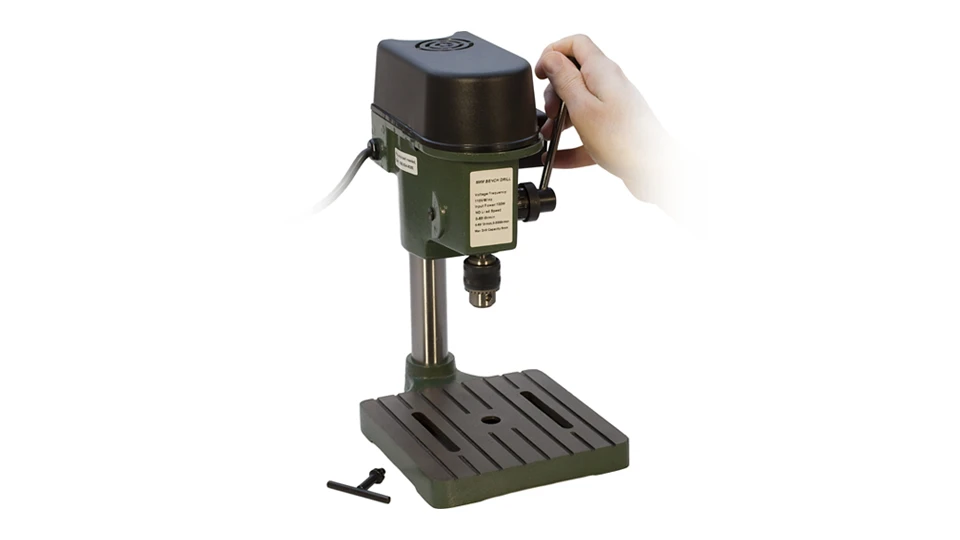
1. Bench Drilling Machine
A bench drilling machine is a compact, light-duty drilling machine typically mounted on a workbench. It is designed for small workpieces and shallow holes.
This type is limited by its throat depth, which restricts the maximum distance between the drilled hole and the machine column. As a result, its effective machining radius and applicable workpiece size are relatively small. Operations are usually manual, making it suitable for basic drilling tasks rather than heavy or continuous production.
2. Pillar (Upright) Drilling Machine
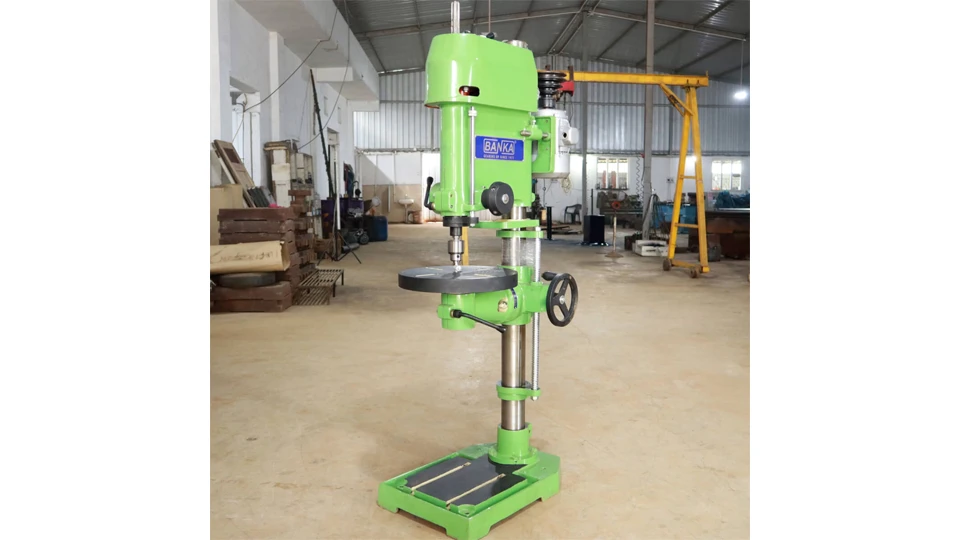
A pillar drilling machine is a floor-mounted machine with a vertical column supporting the spindle head. Compared with bench models, it offers greater rigidity, higher spindle power, and a larger working envelope.
Its worktable can typically move up and down along the column and rotate around it, allowing more flexible positioning of medium-sized workpieces. This structural feature makes the pillar drilling machine suitable for general-purpose drilling with improved stability and adaptability.
3. Radial Drilling Machine
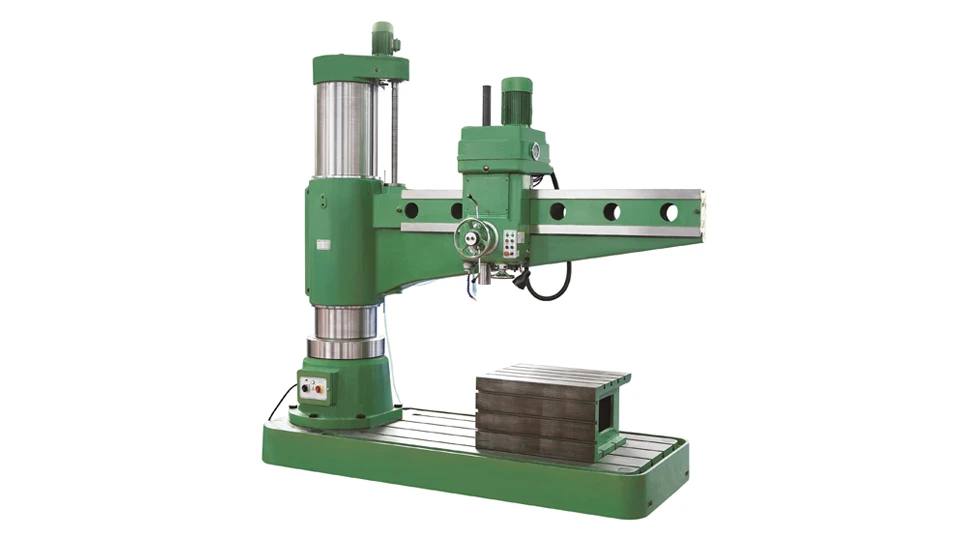
A radial drilling machine features a movable radial arm that allows the spindle head to be positioned horizontally and vertically over large workpieces.
This design is well suited for drilling large, heavy, or fixed components. Instead of repositioning the workpiece, the operator adjusts the spindle location, which improves efficiency when drilling multiple holes on oversized parts.
4. Gang Drilling Machine
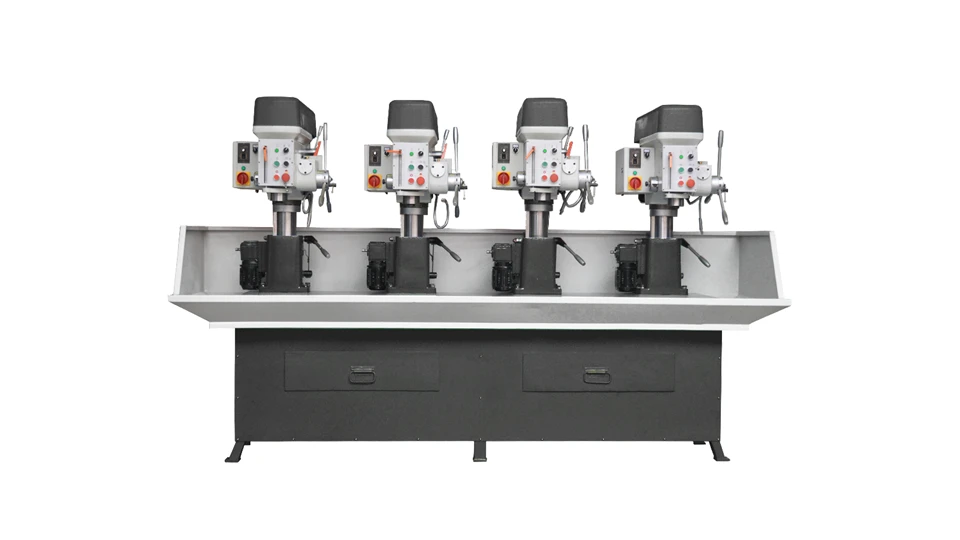
A gang drilling machine consists of multiple drilling spindles arranged in a row on a common base. Each spindle is typically dedicated to a specific drilling-related operation.
This configuration is used in batch production where a workpiece must pass through several sequential drilling steps. By reducing tool change and setup time, gang drilling machines improve productivity in repetitive manufacturing tasks.
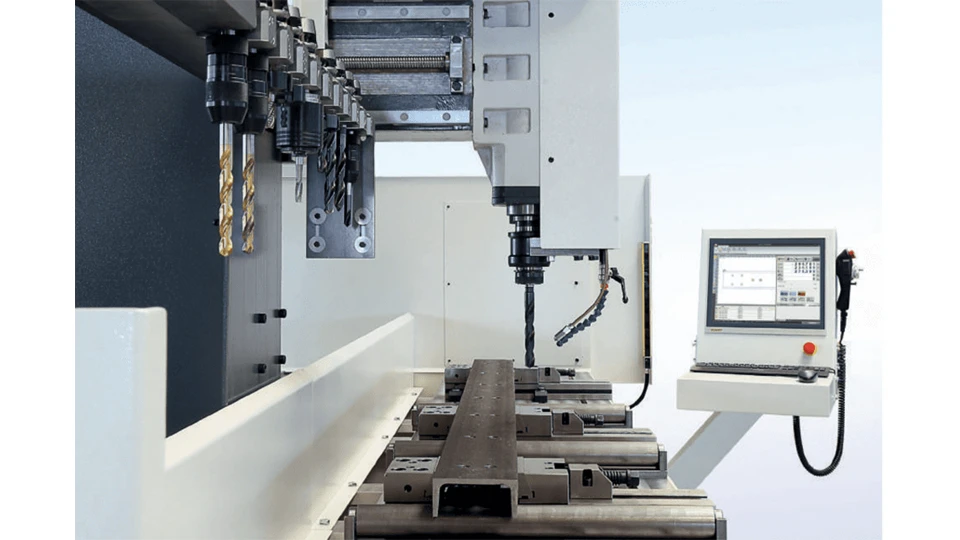
5. CNC Drilling Machine
A CNC drilling machine uses a numerical control system to manage spindle speed, feed rate, and positioning automatically.
Some CNC drilling machine models are equipped with an automatic tool changer (ATC), enabling unattended operation across multiple drilling-related processes. This makes CNC drilling machines suitable for applications requiring high repeatability, precise hole positioning, and consistent cycle execution in automated production environments.
Common Drilling Operations
On a drilling machine, different hole-related operations are carried out mainly by changing the cutting tool. Each operation modifies the hole in a specific way, from initial hole formation to accuracy improvement and local hole finishing.
1. Drilling
Drilling is the primary operation of a drilling machine. It creates a round hole by feeding a rotating drill bit into the workpiece.
This operation defines the initial hole diameter and depth. Hole accuracy at this stage depends on tool condition, machine rigidity, and feed stability.
2. Reaming
Reaming is used to improve the dimensional accuracy and surface finish of an existing hole.
A reamer removes a small amount of material from the hole wall, producing a more precise diameter and smoother surface than drilling alone. Reaming does not significantly change hole position.
3. Tapping
Tapping produces internal threads inside a pre-drilled hole.
The tap follows the existing hole axis and cuts the thread profile. Accurate hole size and alignment are essential to prevent thread damage or tool breakage.
4. Countersinking
Countersinking creates a conical recess at the entrance of a hole, forming a V-shaped profile.
This operation is typically used to prepare holes for countersunk fasteners or to remove sharp edges. The countersink angle is determined by the tool geometry.
5. Counterboring
Counterboring enlarges the upper portion of an existing hole with a flat-bottom recess, forming a U-shaped profile.
It is used when a fastener head must sit below or flush with the workpiece surface. Counterboring maintains the original hole axis.
6. Spot Facing
Spot facing machines a flat surface around a hole opening.
This operation ensures proper seating for fasteners or components when the surrounding surface is rough, curved, or uneven. It removes minimal material and focuses on local surface flatness.
Materials Commonly Machined on Drilling Machines
Drilling machines can be used to process a wide range of workpiece materials, including both metal and non-metal materials.
1. Metal Materials
Common machinable metal materials include carbon steel, alloy steel, stainless steel, cast iron, aluminum alloys, copper and copper alloys, as well as titanium alloys.
Their drilling behavior differs mainly in terms of hardness, ductility, and thermal conductivity, which directly influence cutting forces, chip formation, and heat generation during drilling.
Carbon and alloy steels generally offer stable cutting behavior, while stainless steel and titanium alloys place higher demands on machine rigidity due to work hardening and heat concentration. Aluminum and copper-based alloys are easier to cut but tend to produce continuous chips, which can affect hole quality if cutting conditions are unstable. Cast iron differs from most metals by producing short, brittle chips and relatively low thrust forces during drilling.
2. Non-Metal Materials
Non-metal materials can also be drilled using drilling machines.
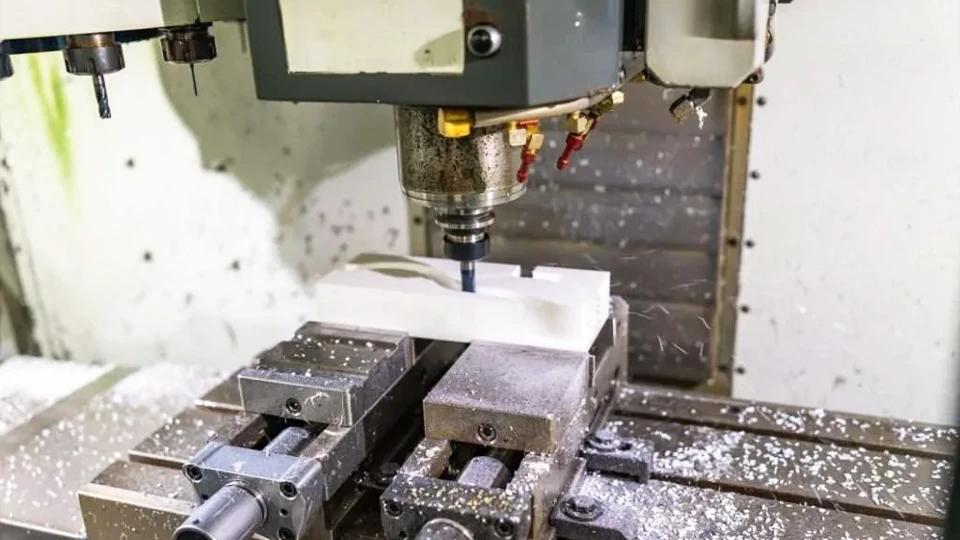
Plastics and composite materials are typical examples. These materials usually generate lower cutting forces but are sensitive to heat and tool engagement. During drilling, improper conditions may lead to melting, delamination, or surface damage.
How to Choose the Right Drilling Machine
Choosing the right drilling machine depends on matching the machine’s structure and capability to the actual machining requirements. The goal is not to select the most advanced machine, but the one that fits the workpiece, hole requirements, and production conditions.
1. Based on Workpiece Size and Weight
The size and weight of the workpiece are primary considerations. Small parts can be handled by bench or pillar drilling machines, while large or heavy components often require radial drilling machines that allow spindle movement instead of repositioning the workpiece.
Selecting a machine with insufficient working range or rigidity can lead to positioning difficulties and reduced accuracy.
2. Based on Hole Size and Accuracy Requirements
Hole diameter and required accuracy influence machine selection directly. Larger holes and deeper drilling demand higher spindle power and better structural rigidity.
If tight positional accuracy or repeatability is required, machines with more stable spindle systems and controlled feed mechanisms are preferred. Basic machines are suitable for general holes, while precision work benefits from higher-grade designs.
3. Based on Production Volume
Production volume determines whether manual or automated operation is appropriate. For low-volume or maintenance work, conventional drilling machines are often sufficient.
For batch production or repetitive drilling tasks, machines that support faster setup, consistent motion, or multiple operations—such as gang drilling or CNC drilling machines—improve efficiency and consistency.
4. Conventional Drilling Machine vs CNC Drilling Machine
Conventional drilling machines rely heavily on operator skill for positioning and feed control. They offer flexibility and simplicity for varied tasks.
CNC drilling machines provide programmed positioning, consistent feed, and repeatable cycles. They are better suited for applications requiring high consistency, reduced operator dependence, or integration into automated workflows.
5. Workshop Environment and Operational Needs
Available floor space, power supply, and operator experience also affect machine choice. A machine should fit the workshop layout and match the skill level of its operators.
Ease of maintenance and long-term reliability are practical considerations that influence overall cost and usability.
Applications of Drilling Machines in Industry
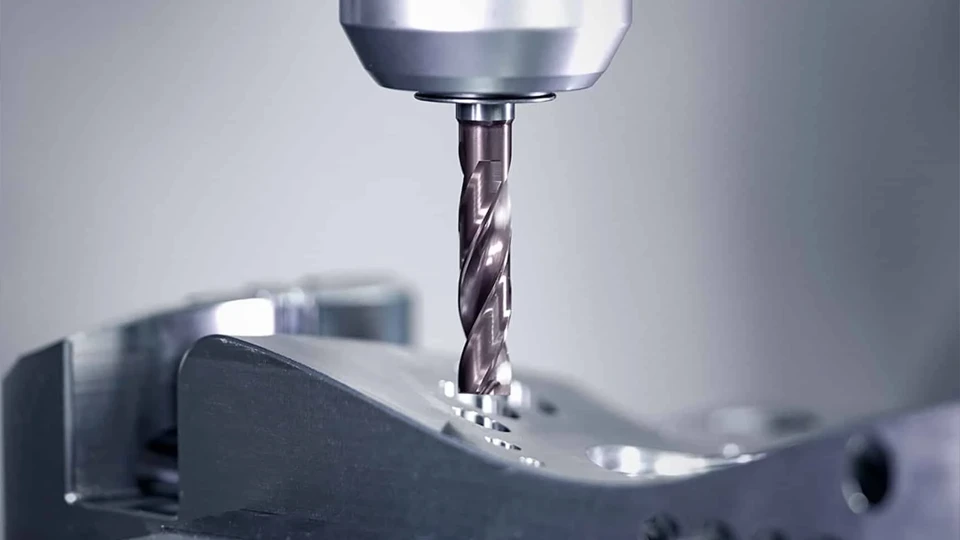
Drilling machines are widely used across industrial manufacturing wherever precise and repeatable hole-making is required. Their applications are defined more by functional needs than by industry labels.
Metal Fabrication and General Manufacturing
In metal fabrication, drilling machines are used to create holes for subsequent operations such as fastening, alignment, or secondary machining. They are commonly applied to plates, profiles, and structural components during general manufacturing and workshop production.
Automotive Manufacturing
In the automotive industry, drilling machines are used for producing holes in engine components, brackets, housings, and structural parts. Consistent hole size and positioning are essential for assembly accuracy and interchangeability.
Aerospace Manufacturing
Aerospace manufacturing relies on drilling machines for machining holes in high-strength and lightweight materials. These holes are often part of precision assemblies where positional accuracy and repeatability are critical.
Machinery and Equipment Manufacturing
Drilling machines are widely applied in the production of industrial machinery and equipment. Typical tasks include drilling holes in frames, base plates, shafts, and mounting components required for mechanical assembly.
Mold and Die Manufacturing
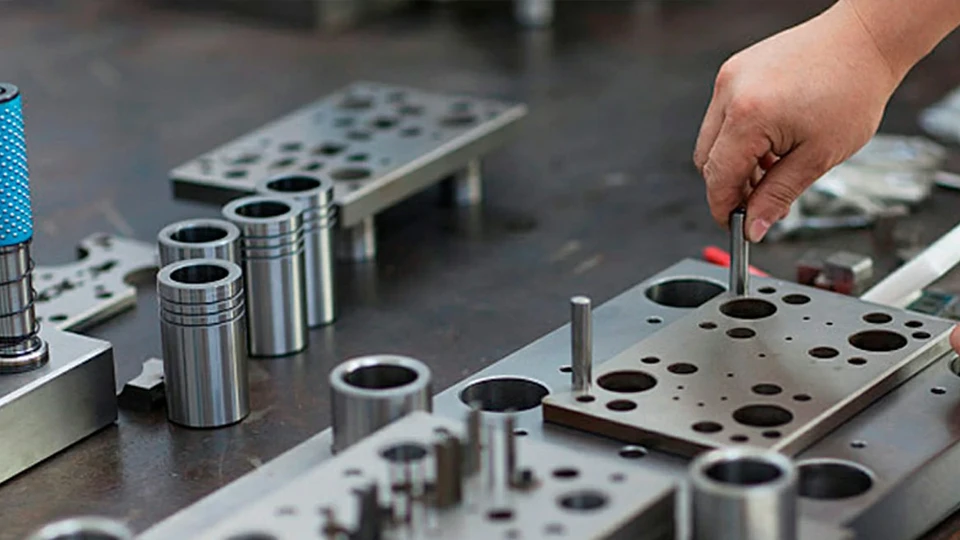
In mold and die manufacturing, drilling machines are commonly used for producing cooling channels, mounting holes, and alignment features in mold components. Accurate hole positioning is important for proper mold assembly and effective thermal management.
Maintenance and Repair Operations
In maintenance and repair environments, drilling machines are used for corrective work such as removing damaged fasteners, re-drilling worn holes, or modifying existing components. Their flexibility makes them suitable for on-site or workshop repair tasks.
Safety Precautions When Using Drilling Machines
Safe operation of a drilling machine depends on proper preparation, correct workpiece handling, and operator awareness. Most drilling-related accidents are caused by improper clamping, inappropriate clothing, or loss of control during operation.
Proper Workpiece Clamping
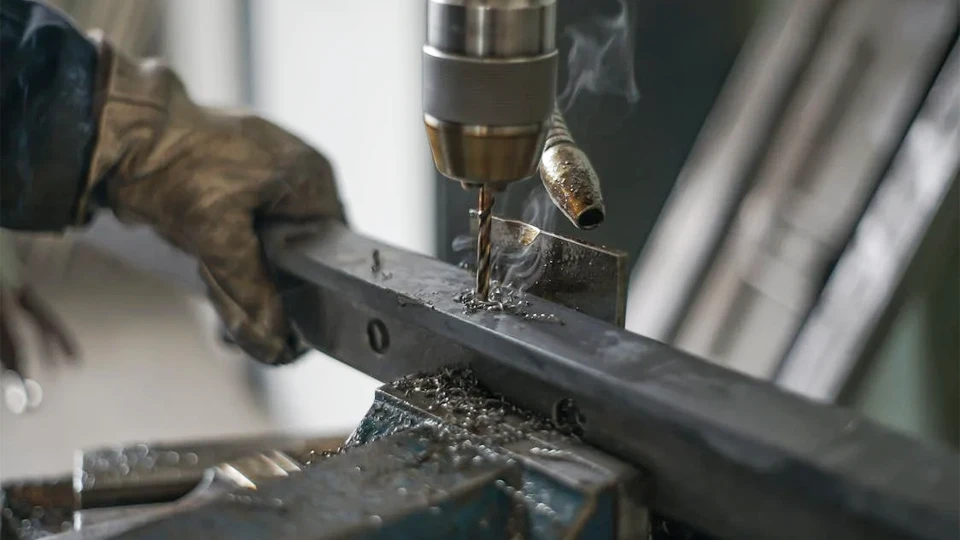
Workpieces must always be securely clamped before drilling. Holding a workpiece by hand can lead to sudden rotation, causing serious injury.
Vices, fixtures, or clamps should be selected according to the size and shape of the workpiece to ensure stability throughout the drilling process.
Tool and Machine Condition
Drill bits should be properly installed and tightened before operation. Worn, damaged, or incorrectly mounted tools increase the risk of breakage and loss of control.
Before starting the machine, operators should check that the spindle, chuck, and guards are in normal condition, and confirm the location of the emergency stop button for immediate shutdown if required.
Operator Position and Clothing
Operators should maintain a stable stance and avoid leaning toward the rotating spindle. Loose clothing, jewelry, and long hair must be secured to prevent entanglement.
Gloves must never be worn when operating drilling machines or other rotating cutting tools, as they can be caught by the tool and pull the operator’s hand into the spindle.
Eye protection is essential to guard against flying chips or broken tool fragments.
Chip Handling and Cleaning
Chips should never be removed by hand while the machine is running. A brush or suitable tool should be used only after the spindle has come to a complete stop.
Compressed air should be used with caution, as it can scatter sharp chips and debris.
Machine Shutdown and Adjustment
Any adjustment, measurement, or tool change must be performed with the machine fully stopped. Reaching near a rotating spindle, even briefly, can result in serious injury.
After operation, the machine should be turned off and left in a safe state before leaving the workstation.
Conclusion
Drilling machines remain one of the most fundamental and widely used machine tools in manufacturing, yet their importance is often underestimated. From basic hole-making principles and machine structures to materials, applications, selection logic, and safety considerations, this guide has shown that effective drilling is not just about making holes, but about accuracy, stability, efficiency, and process understanding. When used correctly, a drilling machine becomes a reliable foundation for downstream machining, assembly, and industrial production.
As manufacturing continues to move toward higher precision and automation, drilling is increasingly integrated into CNC-based production workflows. This is where experienced machine tool manufacturers play a quiet but critical role. At Rosnok, drilling is not treated as an isolated operation, but as part of a complete CNC machining ecosystem—designed to work seamlessly with CNC lathes, machining centers, and automated solutions. By focusing on structural rigidity, reliability, and practical industrial needs, Rosnok supports manufacturers who want drilling processes that are not only accurate, but also scalable and production-ready.