Overview of Wood and Metal Lathes
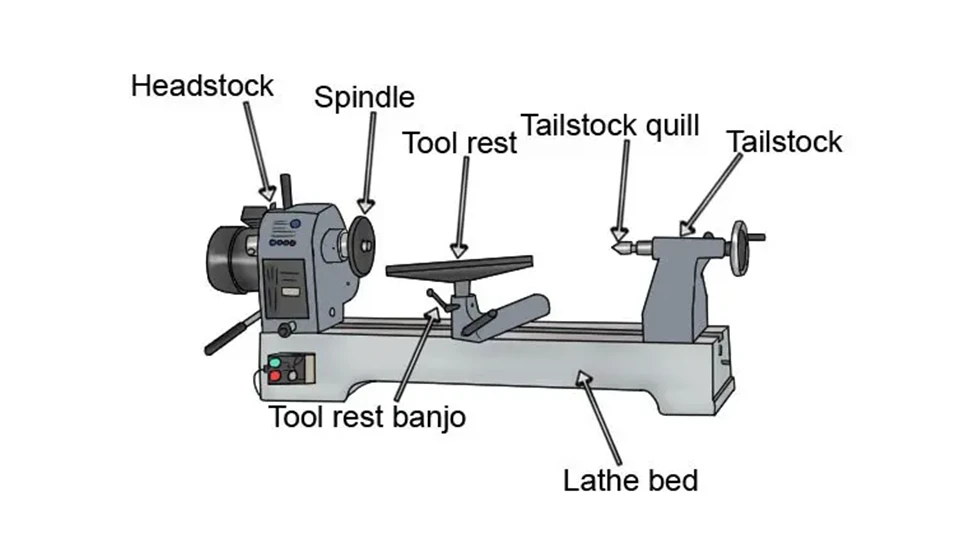
A wood lathe is a machine tool specifically designed to shape wooden workpieces by rotating them along a horizontal axis. It typically features a lightweight bed, a tool rest, and a tailstock, enabling the operator to manually control carving tools while the wood spins. Wood lathes are commonly used for creating symmetrical objects such as table legs, bowls, or decorative pieces. Due to the softness of wood, these machines do not require high rigidity or complex automation systems, making them simpler in design and operation.
In contrast, a metal lathe is built to machine hard materials like steel, aluminum, or brass with exceptional precision. Unlike wood lathes, they employ a more robust frame, powered feed systems, and higher torque to maintain stability under heavy cutting forces. These machines are essential in industrial manufacturing, where exact dimensions and repeatable results are critical.
Wood Lathe vs Metal Lathe: Structural Differences
Wood lathes and metal lathes differ significantly in structural design due to the nature of the materials they are built to handle. A wood lathe typically features a lightweight frame, often made from cast iron or steel, but without the extensive reinforcement found in metal lathes. The bed is relatively narrow, with open clearance around the spindle to accommodate larger pieces of irregular wood. Wood lathes also lack integrated gearboxes or complex internal components, as the cutting forces involved in woodturning are relatively low.
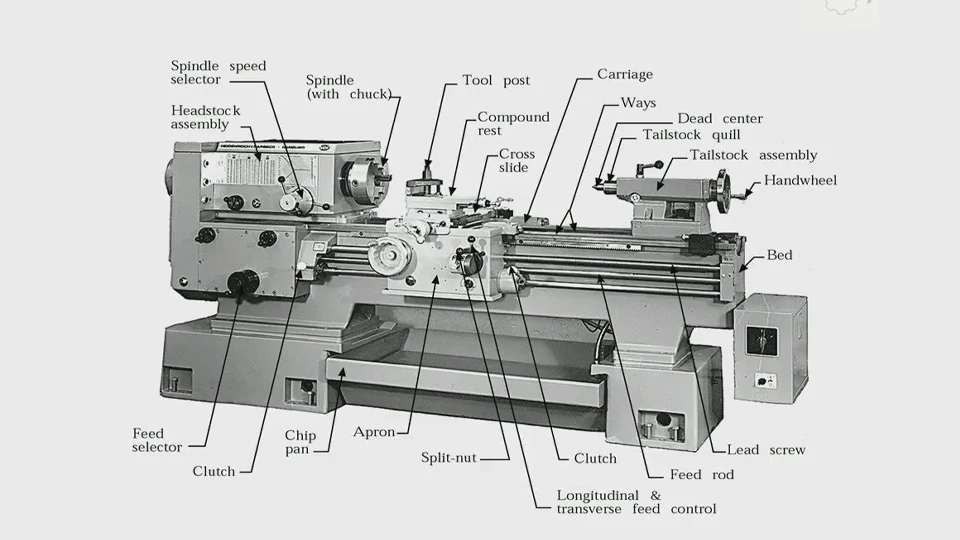
In contrast, a metal lathe is engineered with a much heavier and more rigid frame to ensure stability under high loads and cutting resistance. The bed is usually broader and precisely ground to support a carriage system that moves along hardened guideways. These machines include reinforced headstocks, lead screws, and compound slides to allow precise tool movement and to absorb vibration during metal cutting. The structural integrity of a metal lathe is critical not only for safety but also for maintaining consistent tolerances across repeated operations.
Wood Lathe vs Metal Lathe: Functional Capabilities
The functional differences between a wood lathe and a metal lathe reflect their distinct engineering priorities. In a wood lathe, the operator manually holds the cutting tool and rests it on a stationary support called a tool rest, allowing for controlled shaping through hand guidance. Because wood is relatively easy to shape, wood lathes are optimized for simplicity and flexibility rather than automation or precision tool control.
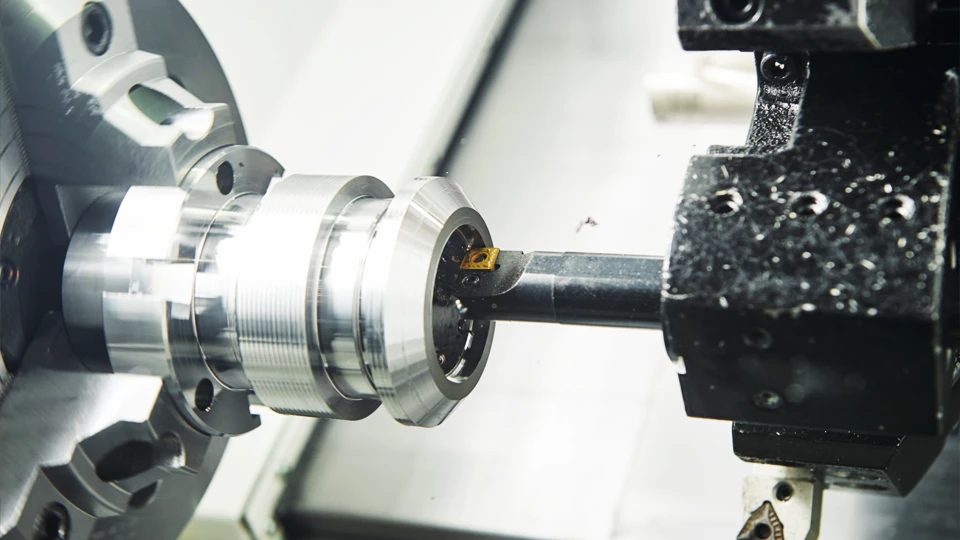
In contrast, metal lathes use a mechanical tool post to firmly secure the cutting tool, which is then moved by cranks or automated feed systems, enabling precise, repeatable cutting without direct hand contact. These machines often feature powered lead screws, automatic longitudinal and cross-feed systems, and the ability to operate in both manual and CNC-controlled modes. Variable speed drives, multi-axis tool posts, and threading capabilities are standard in many models. Metal lathes are designed to support complex machining operations such as turning, facing, drilling, boring, and threading—all of which require coordinated mechanical motion and higher spindle torque. This makes them suitable for precise, repeatable processes in industrial and production environments.
Wood Lathe vs Metal Lathe: Machining Precision
Precision is one of the most significant differences between a wood lathe and a metal lathe. Wood lathes are generally used for shaping decorative or functional items where exact measurements are not critical. Because wood is a flexible, organic material that can expand, contract, or warp depending on moisture and grain direction, woodturning prioritizes form and artistic expression over dimensional consistency. As a result, tolerances on a wood lathe are typically measured in millimeters, and minor deviations are often acceptable or even invisible in the finished product.
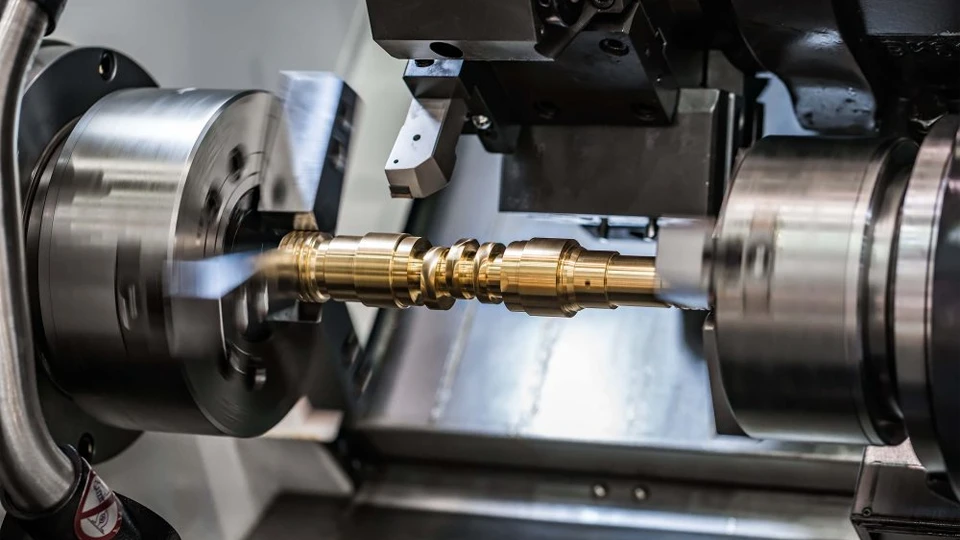
By contrast, metal lathes are designed for applications where dimensional accuracy is essential. Industrial components, mechanical parts, and engineering prototypes all demand repeatable precision, often within microns. To achieve this level of accuracy, metal lathes incorporate rigid frames, precision-ground ways, lead screws with minimal backlash, and finely tunable controls. The machining process is also paired with precision measuring instruments like dial indicators and micrometers to ensure that the final part meets exact specifications. Unlike woodturning, where the operator may work by feel, metal turning is governed by measurement and calibration.
Wood Lathe vs Metal Lathe: Workholding & Support Systems
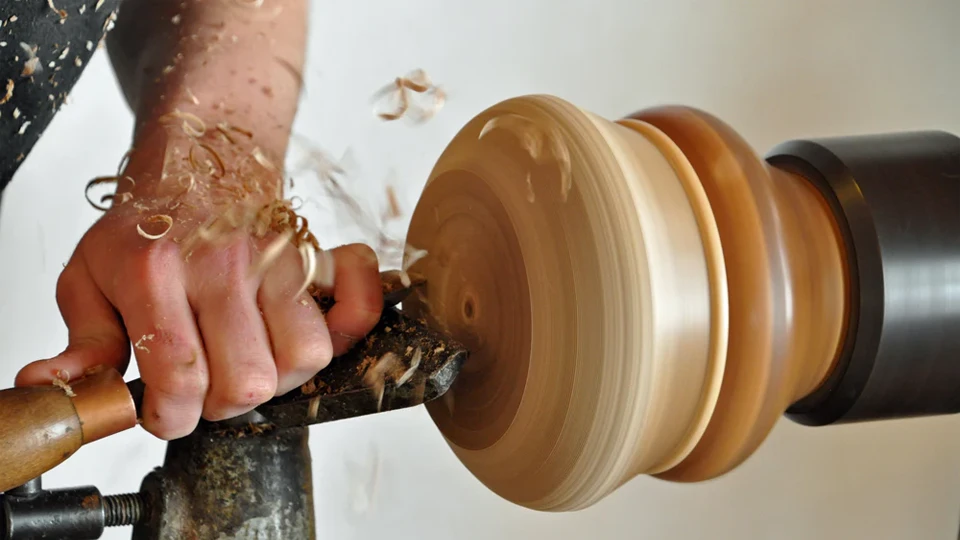
The way workpieces are held and supported during machining is another key difference between a wood lathe and a metal lathe. Wood lathes typically use simpler holding systems such as spur centers, faceplates, or screw chucks. These methods allow fast setup and adjustment, which suits the often irregular shapes of raw wood. Because cutting forces are lower, and wood is relatively forgiving, the clamping pressure doesn’t need to be as high, and the system allows more manual flexibility during turning.
Metal lathes, on the other hand, require much more robust and precise workholding solutions. The most common method is a three-jaw or four-jaw chuck, which centers and grips the workpiece with high force to prevent slippage under heavy cutting loads. For longer or more complex parts, a tailstock with a live center or steady rest is used to provide axial support and reduce deflection. Metal materials demand rigid clamping and consistent alignment to maintain tight tolerances throughout the process. Unlike wood lathes, where repositioning is often done by hand, metal lathe setups are adjusted with micrometric precision to ensure repeatability and safety.
Wood Lathe vs Metal Lathe: Safety and Operational Considerations
Operating a wood lathe and a metal lathe involves distinct safety concerns due to the nature of the materials and the forces involved. Wood lathes produce large amounts of fine dust, especially when turning dry or porous woods. This requires proper ventilation or dust extraction systems, along with personal protective equipment such as goggles and masks. Because the operator manually holds the tool and stands close to the spinning workpiece, body positioning and tool control play a significant role in safe operation. However, cutting forces are relatively low, and kickback or tool grab incidents are less severe compared to metal machining.
Metal lathes introduce a different set of hazards. The cutting process generates high temperatures, sharp metal chips, and sometimes sparks, especially when working with harder alloys. Enclosed guarding, emergency stop buttons, and coolant delivery systems are standard features designed to reduce risks. Additionally, since tools are mechanically fed into the workpiece under high force, improper setup or tool wear can cause tool breakage or workpiece ejection, posing a direct safety risk to the operator. The higher torque and feed force in metal lathes require greater attention to interlocks, tool condition, and machine maintenance to ensure safe operation over time.

Conclusion
Wood lathes and metal lathes may appear similar at first glance—each with a spinning workpiece and cutting tools shaped by a turning motion. But as we’ve explored, their fundamental differences run deep: from structural rigidity and functional complexity to the precision they offer and the safety standards they require. While one excels in creative, hands-on craftsmanship, the other dominates in high-tolerance, industrial-grade applications. Understanding these distinctions isn’t just technical—it’s essential to appreciating how machine tools evolve around the materials they are built to shape.
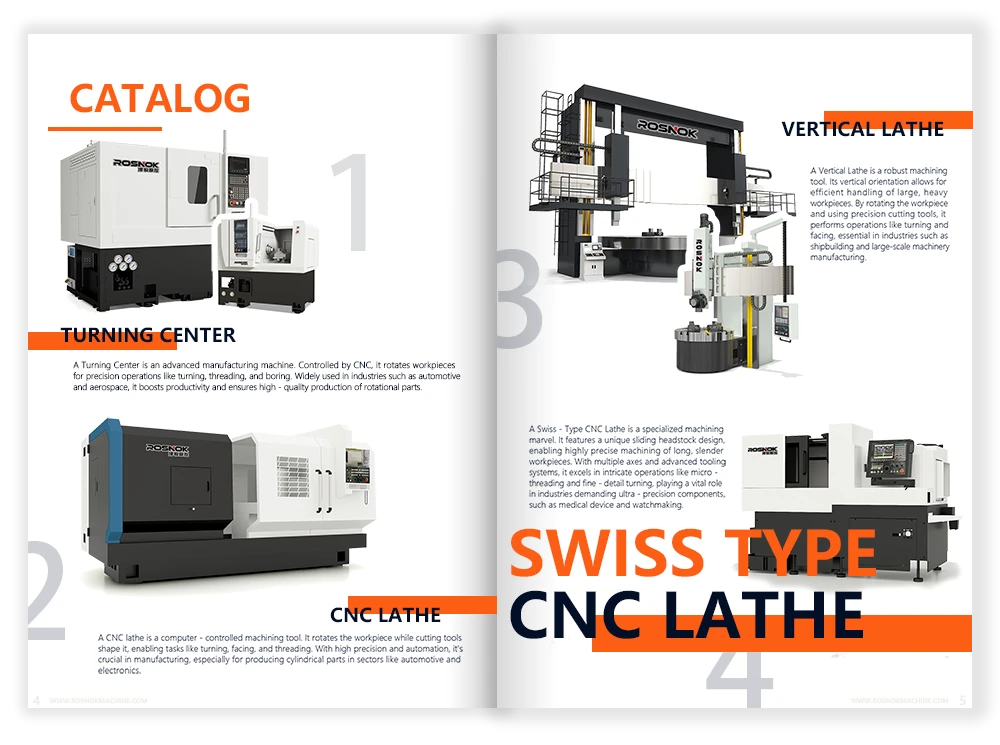
Behind every metal lathe that performs with micron-level accuracy lies a design philosophy rooted in stability, repeatability, and uncompromising performance. One example is Rosnok, a manufacturer specializing in advanced CNC machinery. The brand offers a comprehensive portfolio of high-precision solutions tailored for demanding industries. Its product lineup includes vertical lathes, pipe-threading machines, Swiss-type lathes, and machining centers—each engineered to meet the exacting standards of modern metalworking. In a world where the right lathe can define the quality of an entire production line, Rosnok provides the tools that deliver that difference.