1. Lathe Classification Based on Function and Structure
Lathes come in various configurations to handle different machining tasks, workpiece shapes, and production requirements. From basic manual engine lathes to high-performance CNC turning centers, each type of lathe is built with specific structural features that determine its capabilities and ideal application scenarios. Understanding the distinctions between these lathe types helps users select the most suitable machine for their manufacturing needs.
1. Engine Lathe
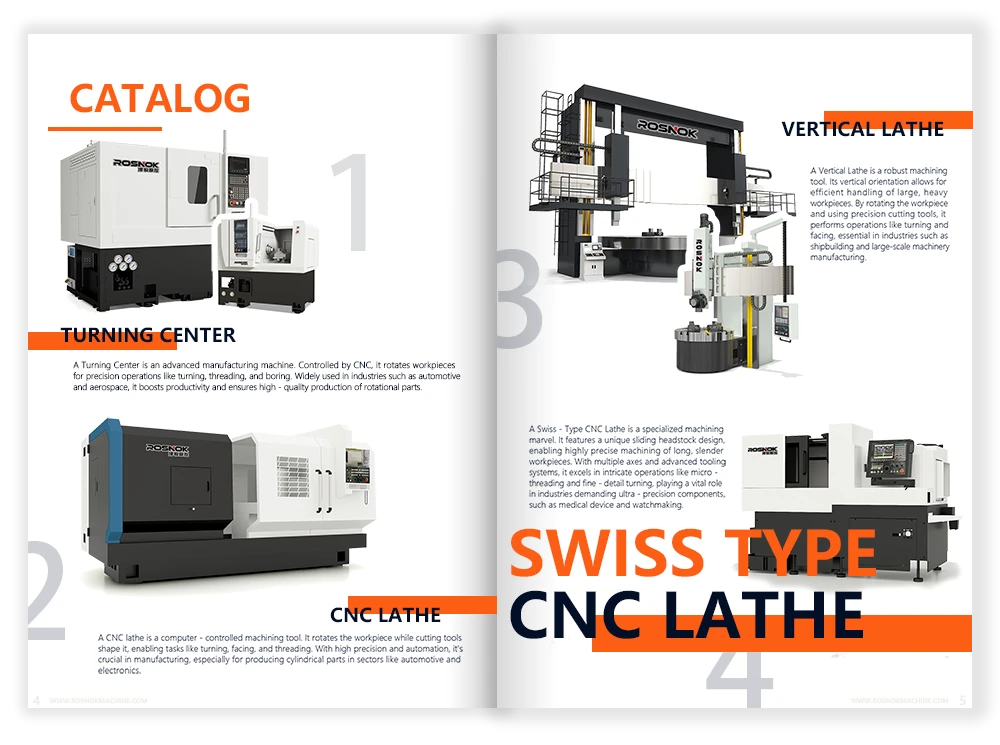
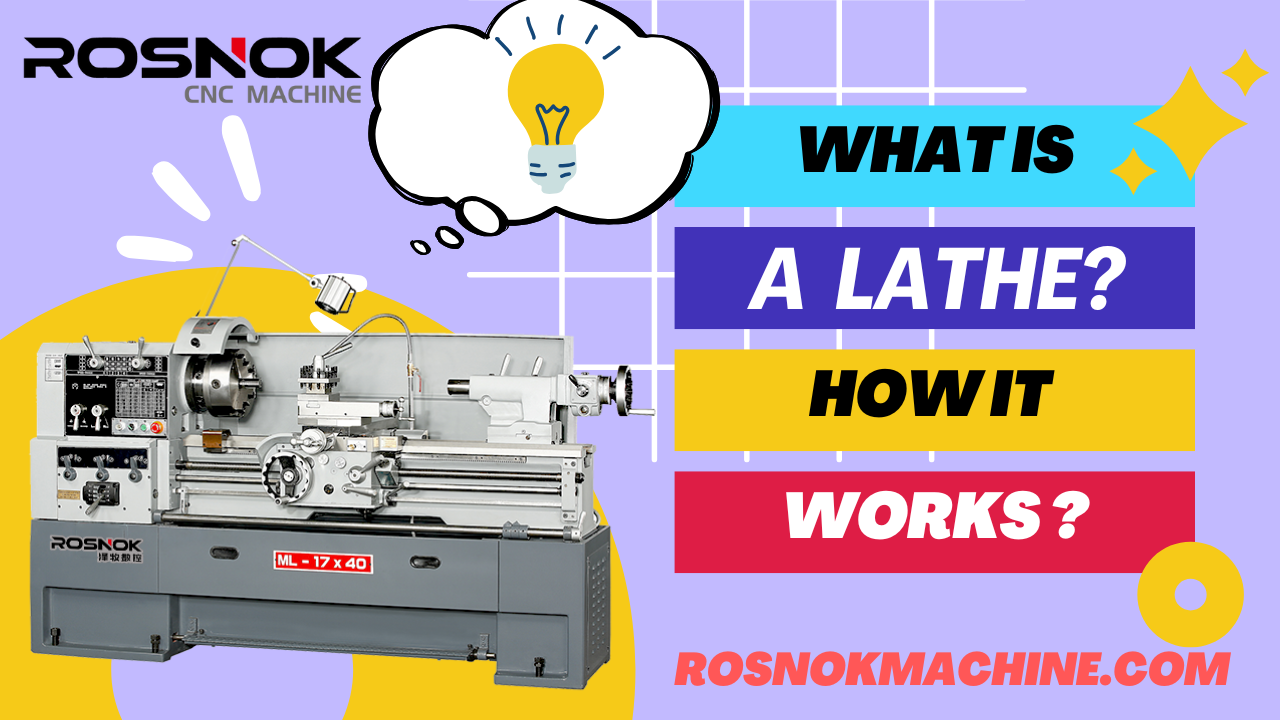
Engine lathes are the most traditional and versatile type of horizontal lathes, equipped with manual feed controls and gear-driven spindles. They are ideal for basic turning, facing, and threading operations on short to medium-length shafts or cylindrical parts. This type of lathe is commonly used for single-piece or low-volume jobs requiring general metal removal.
2. CNC Lathe
CNC lathes are numerically controlled machines that automate turning operations through pre-programmed instructions. They use servo motors and ball screws to drive tool movement along precise paths, reducing the need for manual adjustments. This type of lathe is well-suited for medium- to high-volume production where stable precision and repeatability are essential.
3. CNC Turning Center
A CNC turning center is a more advanced version of a CNC lathe, often equipped with a tool turret, automatic tool changer, live tooling, Y-axis, and sometimes a sub-spindle. It is designed for multi-operation machining in a single setup. This machine is ideal for complex parts with multiple features requiring drilling, milling, and turning simultaneously.
4. Pipe Threading Lathe
Pipe threading lathes are specialized machines built with dual chucks and large spindle bores to accommodate long, hollow cylindrical workpieces. They are optimized for cutting various thread profiles on oil pipes, drill rods, and other tubular components. These lathes are widely used in the oil & gas and pipeline industries.
5. Vertical Lathe
Vertical lathes, or vertical turning lathes (VTL), have the spindle oriented vertically, allowing heavy, large-diameter workpieces to sit on a rotating table. This structure provides better support for massive components such as turbine casings, wind power hubs, or large gear rings. Vertical lathes are often used in heavy industries including energy, shipbuilding, and mining equipment.
6. Swiss-Type CNC Lathe
Swiss-type CNC lathes are precision machines specifically designed for machining ultra-high-precision, small-diameter components. The workpiece is supported close to the cutting zone by a guide bushing, reducing deflection and vibration. Many models are equipped with gang tooling and sub-spindles to enable simultaneous front and back operations. These lathes are widely used in industries such as medical, electronics, and aerospace.
Factor 1: Workpiece Size and Shape Determines Lathe Type
Lathe selection begins with a clear understanding of the physical dimensions and geometry of the parts to be machined. Whether a part is long and slender, short and thick, hollow, or wide in diameter directly influences the structural layout and configuration of the lathe required. Below are the most common part types and how their shape and size determine the appropriate lathe type.
Ultra Precise Small Diameter Parts → Swiss Type CNC Lathe
For components with small diameters and strict tolerance requirements—such as surgical screws, miniature shafts, and precision connectors—dimensional stability during machining is essential. Swiss-type CNC lathes are built specifically for these high-precision applications. Their sliding headstock and guide bushing design ensures the cutting zone remains rigid and vibration-free, delivering exceptional accuracy in small-part production. These machines are widely used in fields like medical technology, aerospace instruments, and electronic components.
Large-Diameter Disc or Ring-Shaped Parts → Vertical Lathe
When the workpiece has a large diameter and a relatively short axial length—such as turbine hubs, large gear rings, brake discs, or pressure vessel end caps—a horizontal lathe becomes impractical due to part weight and unsupported overhang. Vertical lathes are designed with a vertically oriented spindle and a heavy-duty rotating table that allows the workpiece to sit securely under its own weight. This layout provides better rigidity and access for large cutting tools, making vertical lathes ideal for industries like power generation, metallurgy, and heavy equipment manufacturing.
Long, Hollow Workpieces (Pipes) → Pipe Threading Lathe
Pipe-type components, especially in the oil and gas sector, are often long, cylindrical, and hollow. These workpieces require threading both ends while maintaining concentricity and straightness. Pipe threading lathes are structurally optimized for this task. Equipped with dual chucks and a large spindle bore, they provide strong axial clamping and through-spindle capacity for handling extended pipes or tubular rods. Their design allows efficient cutting of standard and custom thread forms used in pipeline construction and drilling equipment.
Short to Medium-Length Cylindrical Parts → CNC Lathe or Engine Lathe
For general-purpose turning of standard-sized round parts—like flanges, bushings, gears, and shafts—both CNC lathes and traditional engine lathes are applicable depending on the production volume and precision requirements. Engine lathes are suitable for manual, low-volume jobs, while CNC lathes are more efficient for repetitive production due to their programmability and consistent accuracy. These lathes can handle a wide range of part sizes within their swing and bed length limits, making them a flexible choice for many workshops.
Complex Multi-Feature Parts → CNC Turning Center
When a part includes multiple geometric features—such as stepped diameters, grooves, cross-holes, or requires secondary operations like drilling and milling—a standard lathe may require several setups or machines to complete the job. CNC turning centers are designed to handle such complexity in a single setup. Equipped with live tooling, Y-axis, and sub-spindle options, they allow for efficient, multi-process machining of parts with intricate profiles or compound surfaces. This makes them ideal for components in automotive, aerospace, and industrial equipment production.
The physical size and shape of the part is often the first technical constraint in lathe selection. A lathe that is too small may lack the rigidity or clearance to machine the part safely. A lathe that is oversized may result in higher costs and inefficiencies. Therefore, understanding whether the part is long, wide, hollow, or compact helps define the basic machine configuration required before considering other factors like material or precision.
Factor 2: Material Type Determines Machine Rigidity and Tooling
Different metal materials vary greatly in hardness, toughness, and thermal conductivity during machining. These properties directly impact the required machine rigidity, spindle configuration, and tooling selection. This section explains how the nature of the workpiece material influences the appropriate lathe structure and specifications from a practical application standpoint.
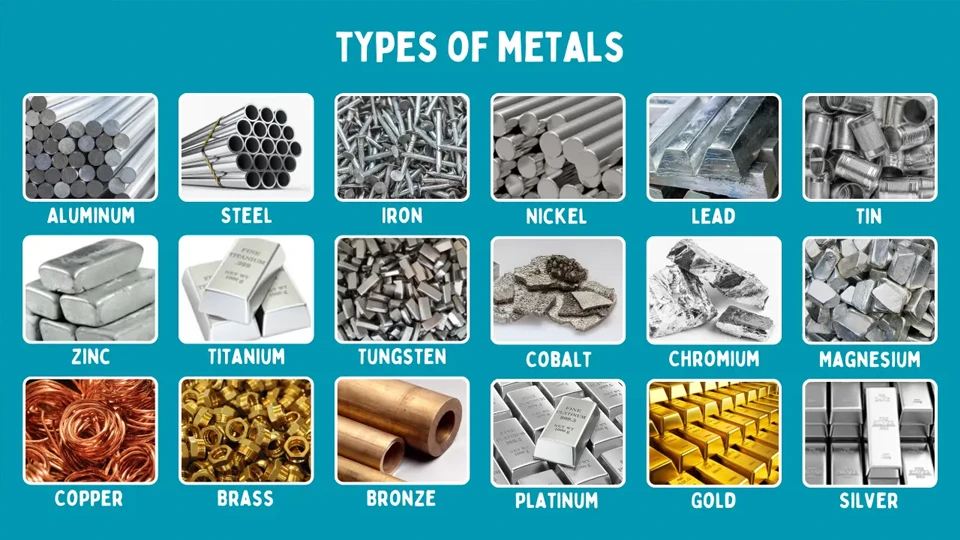
Hard Materials (e.g., Stainless Steel, Titanium) → CNC Lathe with Rigid Structure
When machining hard metals like stainless steel, titanium, or heat-treated alloy steels, the cutting forces are high and continuous. This requires a lathe with excellent structural rigidity and vibration damping capacity. CNC lathes equipped with cast-iron beds, box-way slide systems, and high-torque spindles are well-suited for such materials. These features help maintain tool stability, extend insert life, and improve surface finish. For example, in aerospace or medical applications where titanium alloys are commonly used, such machine characteristics are essential.
Soft Metals (e.g., Aluminum, Brass) → High-Speed CNC Lathe
Soft materials such as aluminum, brass, or copper alloys are relatively easy to cut but tend to smear or deform if not machined at proper speeds. High-speed CNC lathes with linear guideways and fast spindle speeds are ideal for maximizing efficiency in soft material applications. These lathes often prioritize speed and automation over rigidity, and are commonly used in the electronics, consumer parts, and precision equipment industries.
Multiple Material Types → CNC Turning Center
When a part is composed of different materials—or when a production line handles a wide variety of metals, from soft copper to hardened steel—a CNC turning center offers the flexibility needed. Its tooling system supports fast tool changes and its programmable logic can adjust cutting speeds and feeds per material. This versatility is valuable in contract manufacturing, prototyping, and sectors where one machine must handle multiple materials without frequent setup changes.
The type of material to be machined significantly impacts machine choice. Harder metals demand more robust, slower machines to maintain accuracy, while softer metals benefit from higher speeds and lighter construction. Matching the lathe’s rigidity and spindle performance with the material type ensures longer tool life, better surface finish, and fewer quality issues in production.
Factor 3: Required Precision Determines Lathe Type and Configuration
Precision requirements vary significantly across industries and applications. Whether a component needs general dimensional tolerance or ultra-fine micrometer-level control directly impacts the type of lathe, its mechanical structure, and the control system used. This section outlines how different levels of machining precision influence the choice of lathe configuration.
General Tolerance Machining (±0.05 mm or above) → Engine Lathe or Standard CNC Lathe
For parts with moderate precision demands—such as shafts, flanges, spacers, or bushings—general-purpose engine lathes and standard CNC lathes are sufficient. These machines can achieve dimensional tolerances around ±0.05 mm, making them suitable for producing industrial components that do not require tight geometric or surface tolerances. They are ideal for maintenance work, job shops, and low- to medium-accuracy batch production.
High Precision Machining (±0.01 mm to ±0.02 mm) → CNC Lathe with Linear Scales or Closed-Loop Control
When tighter tolerances are required, such as in hydraulic fittings, transmission parts, or tight-fit assemblies, CNC lathes equipped with high-resolution encoders and optionally linear glass scales offer the necessary control. These systems reduce cumulative positioning errors, improve repeatability, and enable users to maintain close tolerances in the ±0.01 mm range. Machines with box guideways and thermal compensation features further enhance stability during prolonged operations.
Ultra-Precision Machining (±0.005 mm or below) → Swiss-Type CNC Lathe
For demanding applications in the medical, aerospace, and electronics industries—where part tolerances may fall below ±0.005 mm—Swiss-type CNC lathes are the preferred choice. Their sliding headstock and guide bushing system ensures maximum rigidity during the machining of small-diameter parts, minimizing vibration and thermal drift. These machines are designed for operations where repeatable, micron-level control is a core production requirement.
Complex Precision Features → CNC Turning Center
Some components require a combination of turning, drilling, and milling operations on multiple faces—all within tight tolerances. In such cases, CNC turning centers with live tooling, sub-spindles, and Y-axis capabilities allow for one-stop machining. This minimizes part handling, reduces tolerance stack-up, and ensures better overall accuracy across multiple features. Such machines are often used in automotive, aerospace, and defense applications for precision-critical parts.
The tighter the dimensional and geometric tolerances required, the more advanced and rigid the lathe configuration must be. From general shop-floor work to micron-level machining, matching the lathe’s control accuracy and mechanical stability to the required precision level ensures consistent part quality and reduced scrap rates.
Factor 4: Production Volume and Automation Level
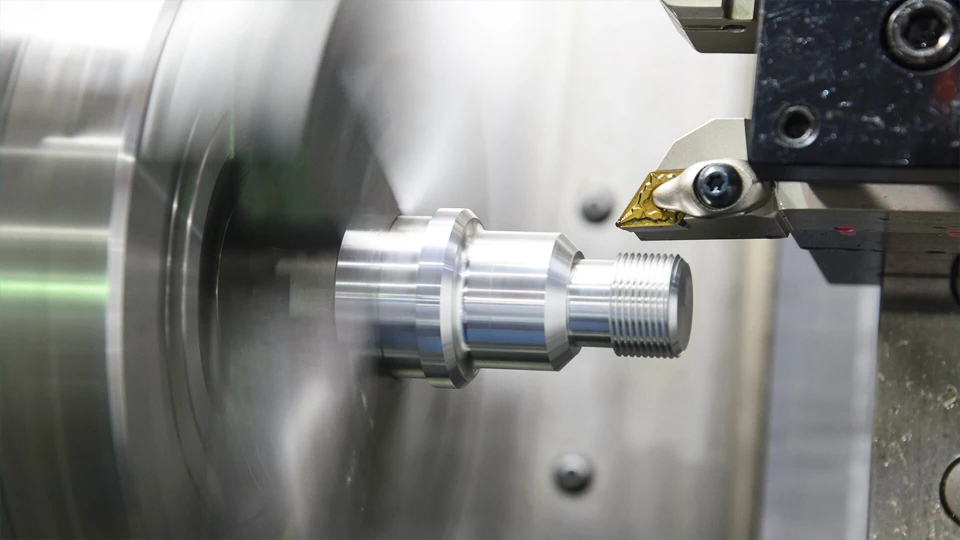
Lathe selection is heavily influenced by production demands—specifically, the required output volume and degree of automation. A machine suitable for custom one-off parts is often inefficient for high-throughput batch production. This section explains how different lathe types align with varying production scales and automation needs.
One-Off or Prototype Jobs → Engine Lathe
For single-piece jobs, repairs, or prototyping, engine lathes offer flexibility and hands-on control. Operators can quickly set up tools, make manual adjustments, and visually monitor the process. With minimal programming or setup time, these machines are ideal for small workshops, R&D labs, or maintenance departments handling diverse, low-volume tasks.
Small to Medium Batches → CNC Lathe
When the job involves dozens to hundreds of parts with repeatable dimensions, a CNC lathe is a far more efficient solution than manual machines. Its programmable tool paths reduce human error and setup time while enabling consistent results across batches. With standard automation options like bar feeders and part catchers, CNC lathes improve productivity without the complexity of a full automation line.
High-Volume Production → CNC Turning Center
For continuous production involving complex geometries and multiple operations, CNC turning centers are the go-to machines. They combine turning, milling, and drilling in a single setup, reducing cycle time and minimizing manual intervention. With tool turrets, automatic tool changers, and sometimes sub-spindles, they are capable of running large batches efficiently. In automotive and aerospace mass production lines, turning centers are often paired with robots or gantry loaders for 24/7 operation.
Long Bar Automation → Swiss-Type CNC Lathe
Swiss-type lathes are commonly integrated with automatic bar feeders to handle high-volume runs of small precision parts. These machines can operate unattended for extended periods, making them suitable for lights-out manufacturing in the medical, electronics, and watch industries. The bar feeding system reduces downtime and material waste while maintaining consistent part output with tight tolerances.
Production volume directly impacts the economic viability of each lathe type. While manual machines are cost-effective for low-output scenarios, CNC lathes and turning centers provide superior efficiency and consistency in repetitive or automated production environments. Choosing the right level of automation ensures better throughput, reduced labor costs, and optimized resource allocation.
Lathe Specifications Checklist Before You Buy
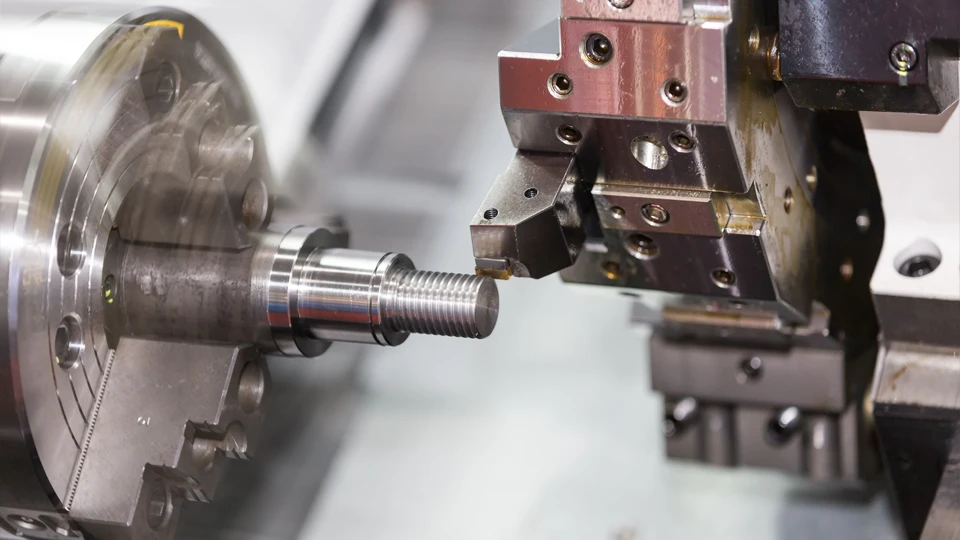
Before selecting a lathe, understanding the key technical specifications is essential to ensure the machine fits your production requirements. This section breaks down the critical parameters you must evaluate when comparing different lathe models. These specs affect machining capacity, part compatibility, and long-term usability.
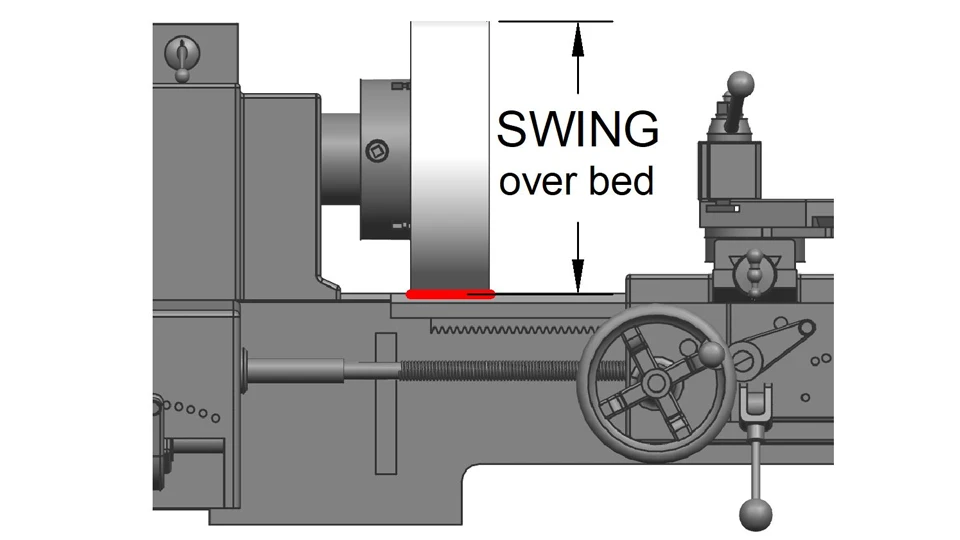
1. Swing Over Bed
What it means:
The maximum diameter of a workpiece that can rotate above the lathe bed without interference. It defines the upper limit of the part size you can machine.
Typical range:
- Small bench lathes: 180–300 mm
- Industrial CNC lathes: 400–800 mm
- Heavy-duty vertical lathes: 1,000 mm or more
When it matters:
Crucial when machining flanges, pulleys, gears, or any wide-diameter components.
2. Distance Between Centers
What it means:
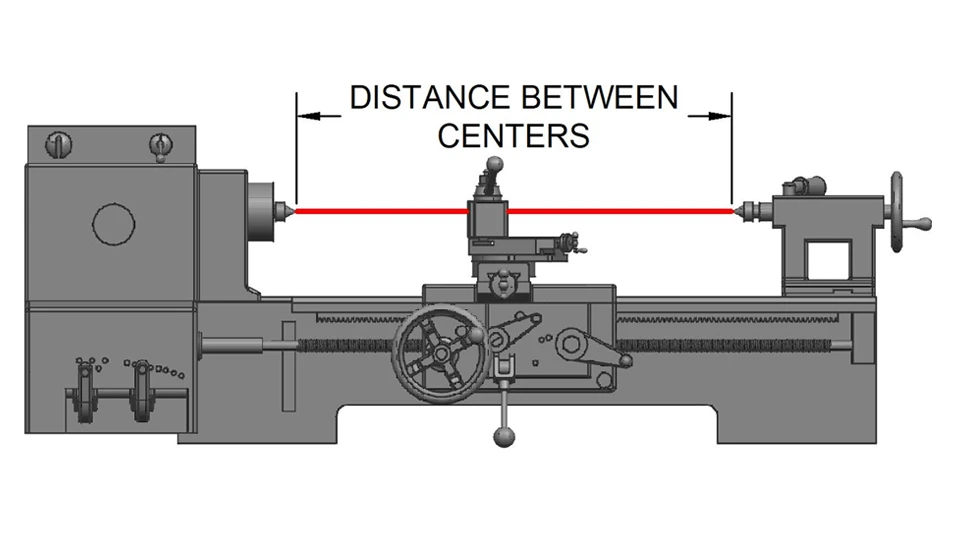
The maximum length of a workpiece that can be mounted between the headstock and tailstock. Sometimes referred to as “bed length.”
Typical range:
- Light-duty machines: 300–800 mm
- General CNC lathes: 1,000–2,000 mm
- Long-bed pipe lathes: 3,000 mm or more
When it matters:
Key for machining shafts, rods, rollers, and long cylindrical parts. Also affects machine footprint.
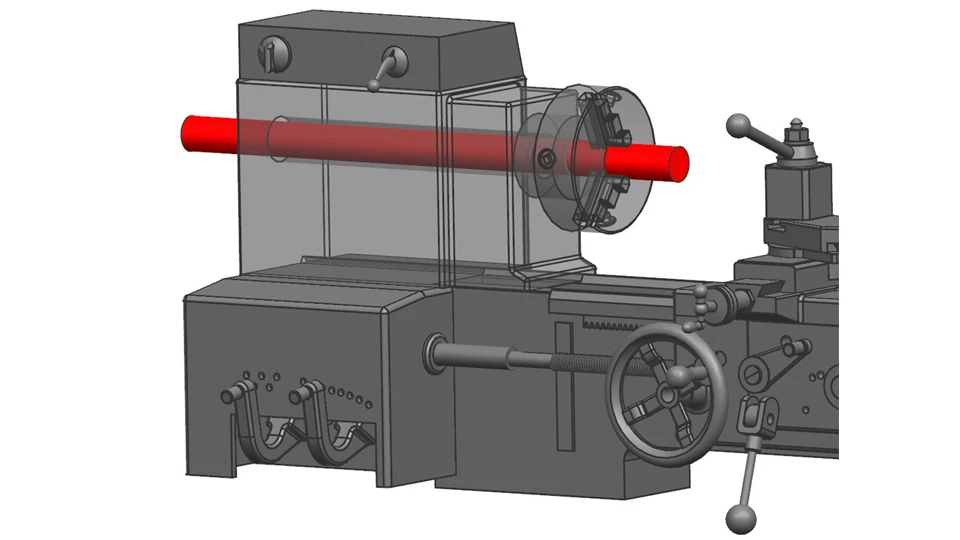
3. Spindle Bore Diameter
What it means:
The inner diameter of the main spindle, determining the maximum bar or pipe stock that can pass through for machining.
Typical values:
- Standard CNC lathe: 50–140 mm
- Pipe threading lathe: 130–380 mm
When it matters:
Essential for bar feeding automation and pipe machining. The larger the spindle bore, the more versatile the lathe is for long or hollow stock.
4. Spindle Motor Power & Torque
What it means:
Determines the cutting force and material removal rate, especially for hard or large-diameter materials.
Typical range:
- Light duty: 3–7.5 kW
- Medium: 11–18.5 kW
- Heavy duty: 22–55 kW
When it matters:
Important for rough turning, heavy cuts, or continuous-duty production in steel, stainless, and alloy materials.
5. Guideway Type
Options:
- Box Ways: Higher rigidity and load capacity; better for heavy cuts.
- Linear Ways: Lower friction and faster movement; better for high-speed, light cutting.
When it matters:
Choose box ways for roughing and rigidity, linear ways for speed and finish machining.
6. Tooling System: Tool Post, Turret, or Gang Tooling
What it means:
Defines how many tools are installed and how quickly they can be switched during a cycle.
Options:
- Tool Post: Basic manual tool holder used in engine lathes; holds one or two tools and requires manual adjustment.
- Tool Turret: Suitable for multi-tool operations, CNC turning centers.
- Gang Tooling: Compact, faster tool change, used in Swiss-type lathes or high-speed production of small parts.
When it matters:
If your parts require multiple operations or complex tool paths, a turret is a must.
7. Tailstock Configuration
What it means:
Used to support the free end of a long workpiece or to apply axial force during drilling or reaming.
Options:
- Manual: Simple and cost-effective; ideal for occasional use in general-purpose or low-volume machining.
- Hydraulic: Offers precise, automatic positioning and force control; used in CNC machines for automated or repeatable processes.
- Pneumatic: Fast-acting and easy to integrate with automation systems; commonly used in high-throughput production of lighter parts.
- Electric: Provides programmable control with finer adjustment of position or pressure; useful for small-part machining where precision support is needed.
- Integrated with live center or quill: Adds rotational support; important for stabilizing long shafts or high-speed turning.
When it matters:
Tailstocks are essential when machining long or slender parts that may flex under cutting forces. Choosing the right configuration ensures both dimensional accuracy and surface finish quality.
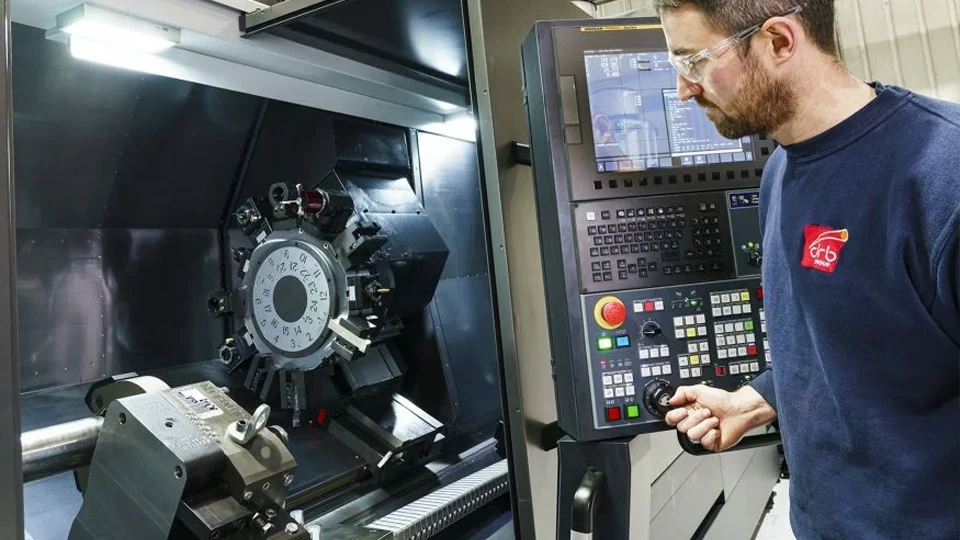
8. Control System Brand
What it means:
The CNC controller brand determines the machine’s programming environment, compatibility with automation, reliability, and operator learning curve.
Options:
- FANUC (Japan): Globally recognized for stability, fast processing, and wide industry adoption; ideal for both entry-level and advanced CNC lathes.
- Siemens (Germany): Powerful for high-end machining; supports complex operations and integrates well with digital factory systems.
- Mitsubishi (Japan): Known for smooth motion control and strong Asian market presence; good for fast, responsive operations.
- GSK (China): Cost-effective and widely used in domestic Chinese machines; suitable for budget-conscious buyers with standard requirements.
- KND, SYNTEC, LNC: Other regional systems offering cost-effective solutions for standard CNC turning, multi-axis control, and integrated automation in mid-range machine tools.
When it matters:
Controller choice impacts serviceability, operator training, and system compatibility—especially in multi-machine environments requiring consistency.
9. Chip Removal & Coolant System
Why it matters:
Efficient chip removal and cooling extend tool life, improve part finish, and reduce maintenance.
What to look for:
- Automatic chip conveyors
- Flood or high-pressure coolant
- Oil mist extraction (especially for enclosed CNC lathes)
10. Automation Compatibility
Look for:
- Bar feeder interface
- Robot arm I/O
- Automatic door / part ejector
- Optional sub-spindle or Y-axis
When it matters:
Essential for lights-out manufacturing, high-volume production, and labor-saving automation.
Summary
Understanding a lathe’s core specifications allows you to make an informed purchasing decision that aligns with your production requirements. Always match parameters like swing, spindle bore, and bed length with your typical part sizes. Evaluate spindle power, rigidity, and control options based on material and precision demands. Finally, ensure your machine supports the level of automation your workflow requires.
7. Common Mistakes When Choosing a Lathe
Even experienced procurement managers can make costly mistakes when selecting a lathe. A mismatch between machine capability and application can lead to underperformance, excessive maintenance, or production delays. This section highlights the most common errors—and how to avoid them.
1. Ignoring Workpiece Size Compatibility
Mistake:
Choosing a lathe without verifying whether the swing over bed, spindle bore, and distance between centers match the size of actual workpieces.
Consequence:
Workpieces may not fit, or overhang may cause vibration, chatter, or poor surface finish.
How to avoid:
Always check your largest and smallest part dimensions and ensure they fall within the machine’s core working envelope—with margin.
2. Overlooking Material-Specific Requirements
Mistake:
Using the same lathe configuration for vastly different materials—like aluminum, hardened steel, and titanium—without adjusting rigidity, power, or tool compatibility.
Consequence:
Tool wear accelerates, motor overloads, and surface quality suffers.
How to avoid:
Match spindle torque, cutting speed, coolant system, and tooling with the hardest material in your production mix.
3. Underestimating Precision Demands
Mistake:
Assuming all lathes can deliver fine tolerances without evaluating guideway type, servo resolution, or thermal stability.
Consequence:
Inconsistent tolerances, rejected parts, and production bottlenecks in quality control.
How to avoid:
Base your lathe choice on the tightest tolerance in your production. Use Swiss-type or turning centers for high-precision or multi-feature parts.
4. Choosing the Wrong Control System
Mistake:
Selecting a control system unfamiliar to the operators or incompatible with factory automation.
Consequence:
Longer operator training, higher error rates, and delayed commissioning.
How to avoid:
Standardize on a controller brand already used in your shop, and check for required features like threading macros, live tooling support, or CAM integration.
5. Overpaying for Unnecessary Features
Mistake:
Buying a high-end CNC turning center when only basic manual turning is needed.
Consequence:
Low ROI, complex maintenance, and underutilized machine capacity.
How to avoid:
Evaluate your actual production mix. Use simpler machines for short-run work or job shops with diverse one-off parts.
6. Ignoring Automation Compatibility
Mistake:
Purchasing a lathe that lacks interface options for bar feeders, robots, or conveyors—when future automation is planned.
Consequence:
Expensive retrofitting or complete machine replacement.
How to avoid:
Even if automation isn’t immediate, choose a machine with expandable I/O ports, automatic door, and standard bar feeder compatibility.
7. Skipping After-Sales Support Evaluation
Mistake:
Focusing only on specs and price without considering service availability, parts lead time, or training resources.
Consequence:
Long downtimes, expensive imports for spare parts, and poor troubleshooting support.
How to avoid:
Ask the supplier for local service capabilities, spare parts stock location, and response time commitment. Prioritize brands with a strong service network.
Summary
Many lathe procurement errors stem from ignoring actual production needs or future expansion plans. A well-informed decision considers not only technical specs but also operator compatibility, maintenance requirements, and workflow integration.
Conclusion: How to Choose a Lathe
Choosing the right lathe is never just about comparing numbers on a spec sheet—it’s about understanding your parts, respecting your production reality, and making a long‑term decision that protects accuracy, efficiency, and operational confidence. From material hardness to precision levels, from production volume to automation readiness, each factor plays a decisive role in determining which machine truly aligns with your goals. When these elements come together, the result is a machining environment that performs reliably day after day, delivering stable quality and predictable output.
Selecting the right lathe is only part of the equation—choosing a manufacturer you can trust to deliver consistent performance, long-term support, and real production value matters even more. For companies that need machines engineered with precision, durability, and adaptability, Rosnok offers a complete lineup of CNC lathes, turning centers, pipe threading lathes, and Swiss-type solutions tailored for real-world machining environments. It’s not just about buying a machine—it’s about partnering with a builder who understands what your shop truly needs.