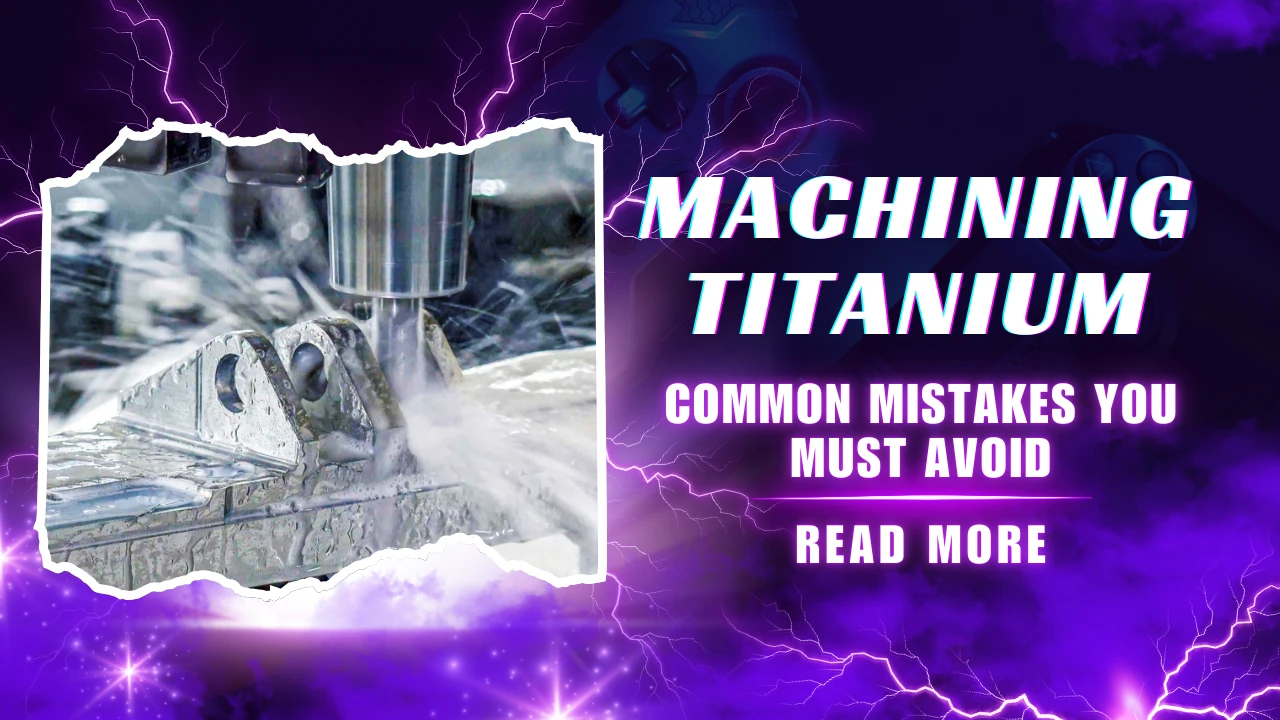
For decades, titanium has been valued in aerospace, medical, and industrial manufacturing, yet machining it has never been straightforward. Today, engineers still struggle with rapid tool wear, excess heat, and precision challenges that often lead to missteps that compromise efficiency and part quality. This article breaks down the most common errors in machining titanium and previews proven strategies to avoid them, helping manufacturers achieve efficiency, tool longevity, and reliable results.
Why Machining Titanium Is So Challenging
Titanium has long been regarded as one of the most attractive materials for industries that demand strength, corrosion resistance, and biocompatibility. Yet when it comes to machining titanium, the very properties that make it desirable also create significant hurdles. Unlike aluminum or mild steel, titanium holds its strength even at elevated temperatures, which means cutting tools encounter constant resistance. Its low thermal conductivity prevents heat from dissipating into the chips, concentrating it at the cutting edge instead. This combination accelerates tool wear, increases the likelihood of built-up edges, and heightens the risk of dimensional inaccuracies.
The consequences go beyond tool wear. Cutting speeds must often be reduced, so every cycle takes longer and production throughput drops—this is the time cost of titanium machining. Tools and coolant systems need frequent replacement or reinforcement, pushing up the direct costs of manufacturing. Meanwhile, machine tools face heavy loads, as spindles, bearings, and fixtures are subjected to greater stresses than when cutting softer metals. This equipment pressure shortens service intervals and requires more rigid, advanced machines to maintain stability.
Common Mistakes in Machining Titanium
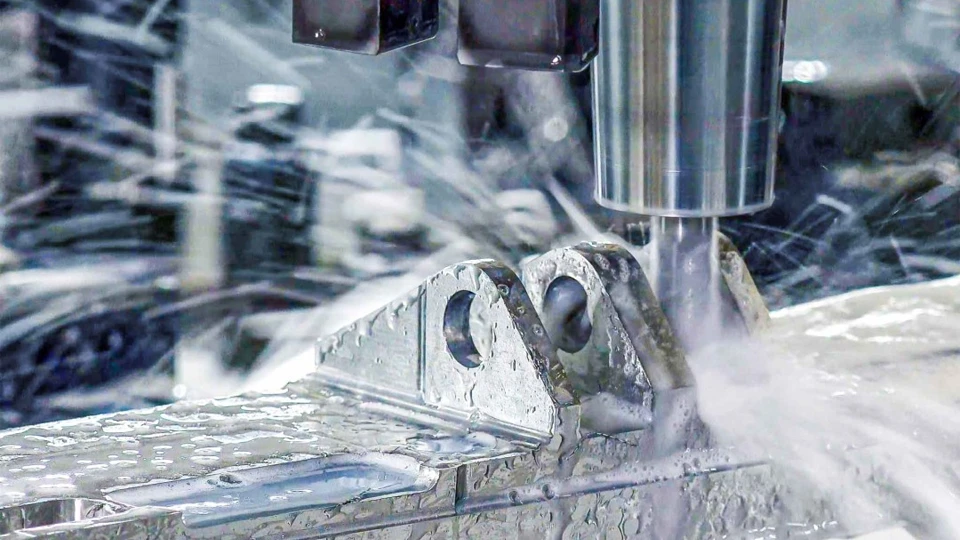
Even with a clear understanding of titanium’s challenges, shops still fall into recurring errors. Heat, toughness, and tight tolerances leave little room for compromise, and practices that succeed in steel or aluminum often fail here. From tool choice to planning, overlooking the basics in machining titanium quickly leads to tool wear, accuracy issues, and rising scrap. The following sections highlight the mistakes most often seen on the shop floor.
1. Wrong Tool Selection
One of the most damaging mistakes in machining titanium is relying on tools that are not built for the job. Standard high-speed steel drills or end mills, which may perform adequately in softer alloys, dull almost instantly in titanium. Even general-purpose carbide tools without heat-resistant coatings suffer rapid flank wear and crater wear, as titanium’s low thermal conductivity traps heat right at the cutting edge.
Another common oversight is ignoring tool geometry. A tool with too much negative rake or an overly blunt edge generates unnecessary cutting forces, leading to chatter and dimensional drift. On the other hand, sharp edges without proper honing are vulnerable to chipping. Both extremes shorten tool life and compromise machining stability.
2. Incorrect Cutting Parameters
Another common mistake in titanium machining is applying cutting parameters that are either copied from other materials or based on outdated assumptions. Titanium behaves very differently from steels or aluminum alloys, and simply reusing those feeds and speeds often leads to failure.
Running spindle speeds too high is one of the most frequent errors. Because titanium does not conduct heat away effectively, excessive surface speed concentrates thermal load at the cutting edge. This accelerates flank wear, promotes crater formation, and can even cause catastrophic tool breakage. At the other extreme, running overly conservative speeds and feeds is also problematic. Instead of producing clean chips, the tool begins to rub, generating frictional heat that damages both the insert and the workpiece surface.
Another overlooked issue is failing to match parameters to specific alloys. Ti-6Al-4V, the most widely used aerospace grade, responds very differently to cutting forces compared with beta titanium alloys. Applying a one-size-fits-all set of parameters leads to chatter, tool deflection, and unpredictable dimensional results. Equally problematic is neglecting the need for consistent depth of cut and radial engagement. Irregular engagement produces sudden load spikes that shorten tool life and destabilize the machining process.
3. Poor Heat Management
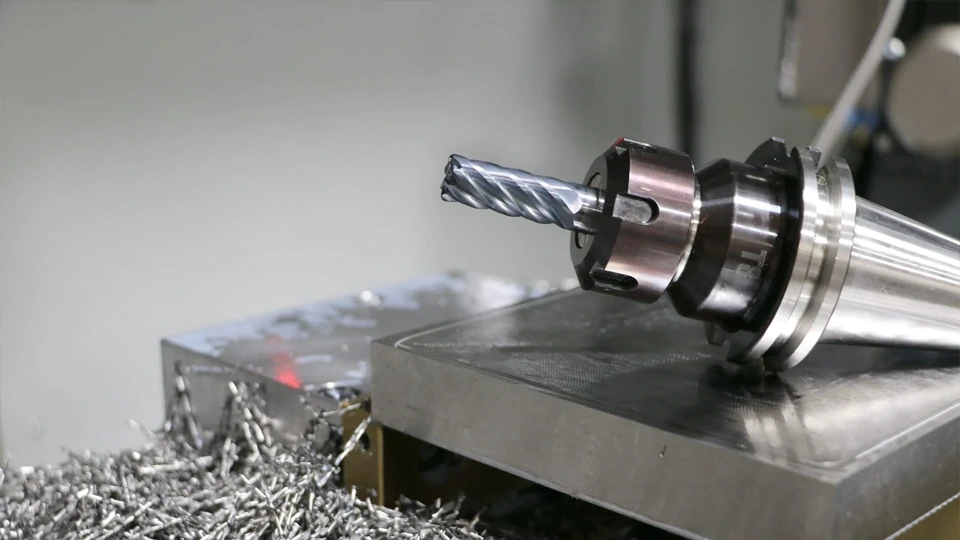
Heat is the single most critical factor in machining titanium, yet it is also one of the most mishandled areas. A frequent mistake is assuming that conventional flood coolant will keep temperatures under control. Because titanium traps heat at the cutting zone, surface spraying alone often fails to reach the tool–chip interface where it is needed most. The result is tool softening, built-up edge, and premature failure.
Another common error is ignoring coolant delivery parameters. Low pressure, poor nozzle alignment, or insufficient flow rates prevent coolant from removing heat effectively. Even when high-pressure systems are installed, neglecting coolant quality—such as concentration or contamination—reduces both lubricity and thermal conductivity. Inconsistent or dirty coolant increases friction, accelerates tool wear, and leads to unpredictable surface finishes.
Some shops also underestimate the importance of choosing the right cooling method for the operation. External flood may work for light cuts, but heavy roughing in titanium often requires through-tool high-pressure delivery or minimum quantity lubrication (MQL). Failing to match the cooling method to the application results in unstable performance, dimensional drift, and higher scrap rates.
4. Ignoring Machine and Fixture Rigidity
Another frequent mistake in titanium CNC machining is underestimating the need for machine and fixture rigidity. Titanium resists cutting forces far more than softer alloys, and any lack of stiffness quickly shows up as vibration. Shops that attempt to run titanium jobs on lightweight machines or with extended tool overhangs often see chatter marks, tapered bores, and surface finishes that fall outside tolerance.
Fixtures are another weak link. Inadequate clamping force or poorly supported workpieces allow micro-movements during cutting. Even minor deflection reduces dimensional accuracy and accelerates tool wear. Long parts without steady rests, or thin-walled sections held without proper support, are especially prone to distortion.
Machine calibration also plays a role. Worn spindle bearings, loose drawbars, or neglected alignment checks introduce runout that titanium magnifies. What might be tolerable in softer materials becomes a serious issue here, shortening tool life and destabilizing the entire process. Ignoring rigidity at the machine or fixture level leads directly to wasted tools, inconsistent accuracy, and higher rejection rates.
5. Lack of Process Planning
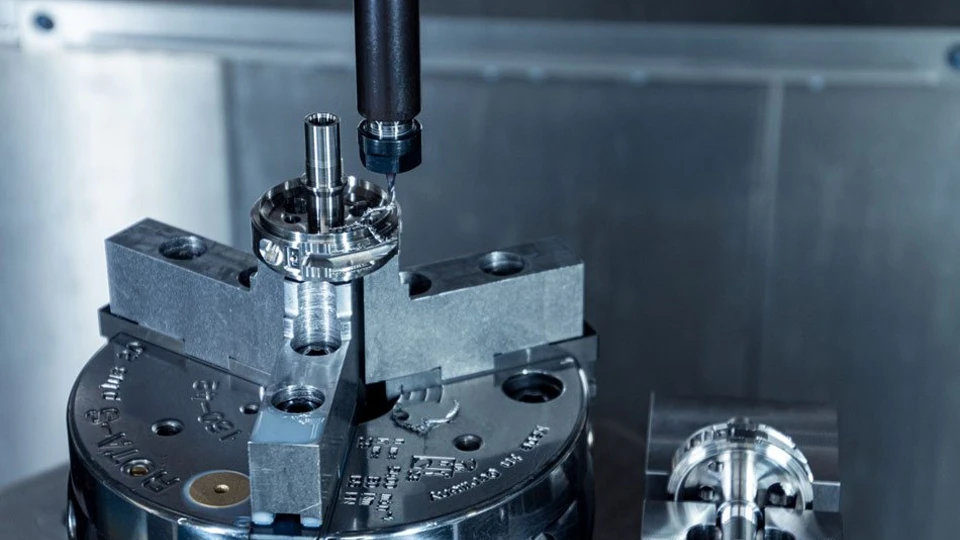
Even with the right tools, parameters, and rigidity, many problems in machining titanium come from weak process planning. Titanium parts often require multiple operations, and if the sequence is poorly designed, the risk of distortion and tolerance drift increases. A common mistake is splitting operations into too many setups. Because titanium combines high cutting forces with a relatively low elastic modulus and poor thermal conductivity, tiny setup shifts are amplified by tool/workpiece deflection and thermal growth—so features that appear aligned in-process can misfit once the part is unclamped and cools.
Another planning error is leaving irregular stock for finishing. Titanium tends to spring back after cutting, so inconsistent allowance makes final passes unpredictable. Without uniform stock, tools face varying loads, leading to chatter and surface waviness. Likewise, not accounting for thermal effects during long cycles is a subtle but damaging oversight. Titanium retains heat in the workpiece, and if the process doesn’t allow for cooling or compensation, parts may measure correctly on the machine but drift once cooled.
Toolpath strategy also plays a major role. Conventional paths with sudden direction changes or high radial engagement generate shock loads and heat spikes. In titanium, these errors cause tool chipping, unstable cutting forces, and excessive cycle times. Ignoring modern constant-engagement or adaptive paths is essentially ignoring efficiency itself.
6. Inadequate Chip Control
A frequent but often underestimated mistake in machining titanium is failing to manage chip formation and evacuation. Titanium alloys tend to produce long, continuous chips because of their toughness and relatively low thermal conductivity. Without proper chip breaking, these ribbons can wrap around the tool or workpiece, damaging surfaces and creating unsafe conditions for the operator.
Tool geometry plays a central role here. If inserts lack effective chip breaker designs, or if the cutting depth and feed are not matched to promote controlled chip curling, chips become stringy and uncontrollable. In milling operations, poor chip control leads to re-cutting, which increases heat, dulls the cutting edge, and accelerates tool failure.
Workholding and coolant strategy also influence chip evacuation. Weak air or coolant flow allows chips to collect in the cutting zone, where they act as abrasives and worsen tool wear. In turning or CNC machining titanium parts with deep cavities, inadequate evacuation causes chips to pack tightly, making the tool push against hardened debris instead of fresh material. This not only degrades surface finish but also risks catastrophic tool breakage.

7. Neglecting Tool Wear Monitoring
In high-value industries, machining titanium often runs close to the limits of tool performance. One serious oversight is failing to monitor tool wear as the cut progresses. Titanium generates high heat and resists deformation, so inserts can lose their edge far faster than in conventional steels. When this wear goes unnoticed, parts leave the machine with dimensional drift or poor finishes, only to be rejected at inspection.
Another issue is relying on fixed tool life estimates rather than real-time observation. Titanium machining does not behave consistently from batch to batch; variations in alloy hardness, depth of cut, and cooling effectiveness mean that inserts may fail earlier than expected. Without wear checks or in-process feedback, tools continue cutting past their safe window, creating scrap instead of usable components.
A further mistake is ignoring the cumulative effect of small wear patterns. Minor flank wear, crater formation, or micro-chipping may seem tolerable in the moment, but during CNC machining titanium these flaws quickly escalate. The result is not just higher tool costs but unstable cutting forces and rising rejection rates across an entire production run.
8. Fire Hazards from Improper Titanium Machining
One of the most overlooked dangers in machining titanium is the risk of fire. Unlike many other metals, titanium chips can ignite under the right conditions. The root cause is poor heat and chip control—mistakes that allow fine, hot chips to accumulate in oxygen-rich environments.
When cutting without adequate coolant, temperatures at the tool–chip interface rise rapidly. Thin, curled chips leave the cut glowing hot, and if they pile up around the tool or in the work area, a spark or contact with air can be enough to start combustion. The danger is even greater during dry cutting or when high spindle speeds are applied without matching feed rates and coolant delivery.
Another error is treating titanium chips like ordinary swarf. Mixing them with steel or aluminum chips in collection bins increases the chance of ignition, as friction or residual heat may trigger a fire. Once burning, titanium chips are difficult to extinguish with water, often requiring Class D extinguishers or smothering agents.
Ignoring these hazards not only risks expensive equipment damage but also endangers operator safety. Fire hazards in titanium CNC machining are rare when processes are controlled, but they remain a critical mistake when basic precautions are neglected.
Expert Solutions for Machining Titanium
Avoiding errors is only the first step—consistent results in machining titanium depend on disciplined strategies. From tooling and parameters to cooling and planning, each stage must be controlled with care. The following sections show how proven methods ensure accuracy and process stability first, while also extending tool life, improving efficiency, and keeping production safe across aerospace, medical, and industrial work.
1. Selecting the Right Tools
Choosing the correct tools is the foundation of successful machining titanium. Conventional high-speed steel is unsuitable; instead, shops should rely on fine-grain carbide or coated inserts designed for heat resistance. Modern PVD coatings such as TiAlN, AlTiN, or multilayer nano-structured films improve thermal stability and reduce friction, extending usable tool life under titanium’s high cutting loads.
Geometry is just as critical. Tools with a positive rake angle and a sharp but lightly honed edge help reduce cutting forces while preventing premature chipping. Specialized chip breaker designs further promote clean chip formation, minimizing re-cutting and heat buildup. For milling, variable helix end mills are particularly effective in reducing chatter and maintaining consistent engagement.
2. Optimizing Cutting Parameters
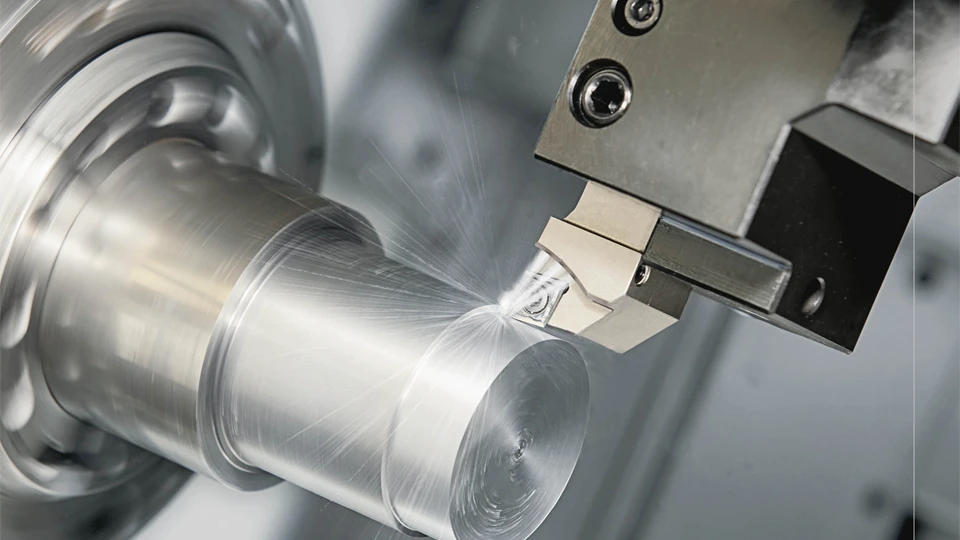
Setting the right cutting parameters is essential for stable machining titanium. Unlike steels or aluminum, titanium requires a narrower process window, and small deviations in feeds or speeds can create excessive heat or tool failure.
Surface speed should be kept moderate, typically lower than for conventional alloys, while maintaining sufficient feed per tooth to avoid rubbing. Too little feed generates frictional heat, while too much risks tool chipping. Balanced parameters allow chips to shear cleanly, carrying heat away from the cutting zone.
Depth of cut and radial engagement must also be consistent. Irregular engagement produces sudden load spikes that shorten tool life and destabilize accuracy. Constant-engagement or adaptive toolpaths help maintain stable cutting forces, especially in roughing operations.
Finally, parameter selection must account for titanium’s alloy family. A recipe that works for Ti-6Al-4V may not suit beta titanium grades. Tailoring spindle speed, feed, and engagement to each alloy avoids chatter, tool deflection, and dimensional drift during CNC machining titanium.
3. Advanced Heat Management
Controlling heat is one of the most critical aspects of machining titanium. Because the material traps thermal energy at the tool–chip interface, cooling systems must be designed for maximum penetration and consistency.
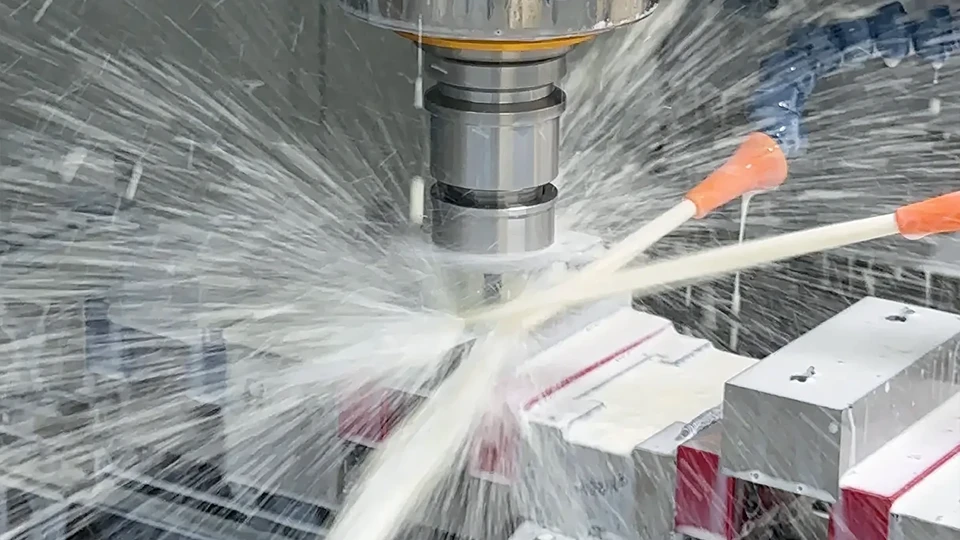
High-pressure through-tool coolant is the most effective option for heavy cuts. By delivering fluid directly to the cutting edge, it carries heat away before it can soften the tool or damage the surface. Where through-tool is not available, minimum quantity lubrication (MQL) can be applied, combining a fine oil mist with compressed air to cool and lubricate the cut while improving chip evacuation.
Coolant quality is equally important. Maintaining proper concentration, pressure, and cleanliness ensures both lubricity and thermal conductivity. Shops that neglect coolant maintenance often face unexpected tool wear or poor surface finishes, even when their parameters appear correct.
For long-cycle jobs, thermal control should also extend to the workpiece. Allowing periodic breaks for cooling, or using programmed pauses for fluid circulation, prevents cumulative heat from distorting dimensions. These practices not only protect the tool but also secure consistent accuracy in aerospace and medical titanium components.
4. Ensuring Machine and Fixture Rigidity
Rigidity must be ensured at every stage of titanium CNC machining. The process begins with selecting machines built on solid structures—heavy castings, wide guideways, and robust spindles designed to withstand titanium’s high cutting forces. Just as important is maintaining this rigidity over time through regular calibration, spindle inspections, and alignment checks, so tolerances remain consistent throughout long production cycles.
On the workholding side, fixtures must deliver absolute stability. Thin-walled titanium parts or long shafts deflect easily if clamping is weak or support is missing. Rigid fixtures with optimized clamping points, steady rests, or auxiliary supports prevent vibration and maintain dimensional accuracy under load.
On the toolholding side, precision is equally critical. Even the best carbide tool or coating cannot perform if mounted in worn or low-quality holders. High-precision collets, hydraulic chucks, or shrink-fit holders provide the rigidity needed for machining titanium, keeping runout minimal and ensuring accuracy across extended runs.
5. Improving Process Planning
Strong process planning is essential for consistent results in machining titanium. Because the material has low thermal conductivity and high cutting forces, every step must be designed to minimize distortion, tool stress, and dimensional drift.
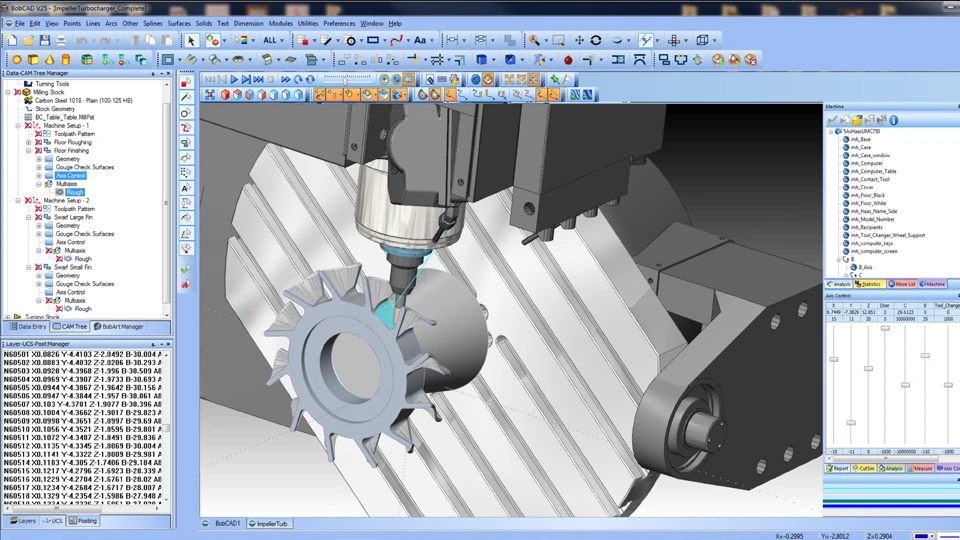
The first priority is reducing setups. Each re-clamp introduces alignment errors, and titanium’s tendency to deflect or expand under heat makes these errors more visible. Using multi-axis machines or combining operations in a single setup helps maintain part consistency.
Stock allowance should also be carefully managed. Leaving uniform material for finishing ensures that the final passes cut under stable conditions. Uneven allowance forces the tool into variable loads, creating chatter and poor finishes. Planning with consistent stock distribution greatly improves surface quality and accuracy.
Toolpath strategy plays an equally important role. Adaptive or constant-engagement paths maintain steady cutting forces, reduce heat spikes, and extend tool life. For thin-walled parts, climb milling and light step-downs reduce deflection. These strategies are especially valuable in titanium CNC machining, where unpredictable loads quickly degrade both tools and accuracy.
Long-cycle jobs require additional foresight. Incorporating programmed pauses, in-process measurements, or compensation routines prevents thermal buildup and ensures accuracy even as the workpiece cools. This level of planning transforms titanium machining from a trial-and-error exercise into a controlled, predictable process.
6. Chip Control Strategies
Effective chip management is critical in machining titanium. Because titanium alloys produce long, tough chips, poor control quickly leads to tool damage, surface scratches, and unsafe working conditions. Well-planned chip strategies not only protect tools but also stabilize the entire process.
The first step is selecting tools with optimized chip breaker geometries. Inserts designed for titanium machining create shorter, curled chips that are easier to evacuate. Pairing this geometry with the right depth of cut and feed per tooth ensures chips break consistently instead of forming long ribbons.
Coolant and air assist further support evacuation. High-pressure through-tool coolant flushes chips directly from the cutting zone, while auxiliary air blasts or nozzles prevent accumulation in pockets and bores. These methods are especially important in CNC machining titanium, where chips tend to pack tightly in deep cavities.
Programming also influences chip control. Toolpaths that avoid sudden plunges or heavy radial engagement reduce the risk of uncontrolled chip formation. Instead, steady step-downs and adaptive paths encourage predictable chip shapes. In combination, geometry, coolant, and programming form a complete strategy for safe and efficient titanium machining.
7. Tool Wear Monitoring
In machining titanium, tool wear progresses rapidly, and ignoring it almost guarantees scrap. A structured wear monitoring system is therefore essential for accuracy, tool life, and process stability.
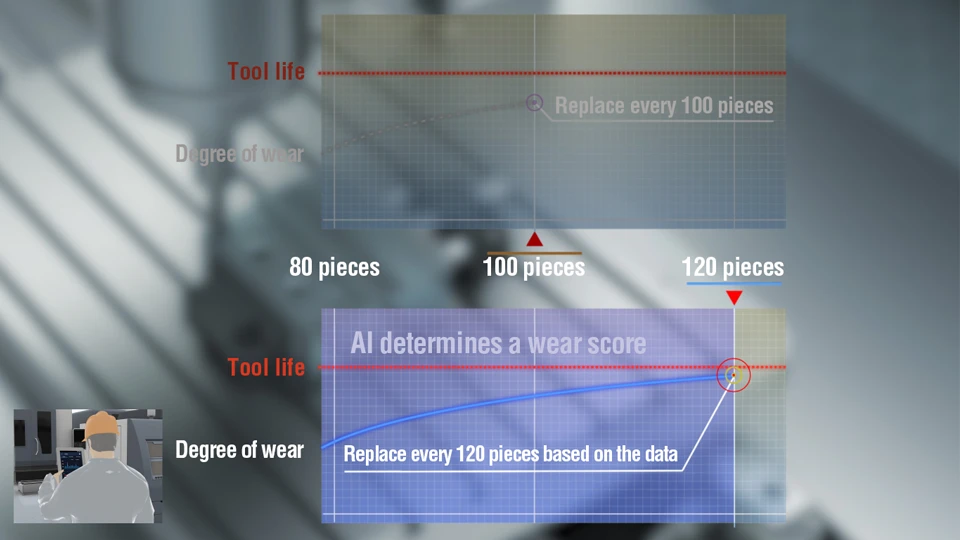
The most reliable approach is combining scheduled inspections with real-time monitoring. Inserts should be checked regularly under magnification for flank wear, crater marks, or edge chipping—defects that quickly escalate in titanium cutting. Modern machines can integrate spindle load sensors or acoustic emission monitoring to detect changes in cutting force, giving early warnings before failure occurs.
Another important practice is defining tool life by material removal, not time alone. Because titanium alloys vary in hardness and heat generation, relying only on minute-based estimates can be misleading. Measuring cubic centimeters of metal removed or tracking spindle load trends provides a more accurate basis for tool replacement.
Compensation routines add another safeguard. CNC systems allow offsets for gradual wear, maintaining part dimensions even as inserts degrade. In high-precision titanium CNC machining, this makes the difference between a part passing inspection or being scrapped after hours of cutting.
8. Fire Prevention Measures in Titanium Machining
Although rare, fire remains a real hazard in machining titanium. Chips can reach ignition temperature if heat is not controlled, and once burning, titanium is extremely difficult to extinguish. Preventive measures must therefore be built into both the process and the equipment.
As mentioned earlier, effective cooling and chip evacuation are the first lines of defense. By keeping heat away from the cutting zone and preventing chip buildup, the risk of ignition drops significantly. What follows are additional measures focused specifically on fire prevention.
Titanium chips should always be collected separately. Mixing them with aluminum or steel swarf increases the chance of ignition from friction or residual heat. Dedicated, sealed containers help ensure safe disposal and reduce fire risk in the shop.
Extinguishing strategy is another key point. Water is ineffective against titanium fires; shops should be equipped with Class D extinguishers or approved dry powder agents. For added safety, especially in unattended or lights-out titanium CNC machining, machines can be fitted with fire detection and suppression packages. These systems use sensors to identify sudden flashes and discharge inert gas or dry powder directly inside the enclosure, extinguishing the fire before it spreads.
Conclusion
Machining titanium is never simple. The heat, the stress on tools, the unforgiving tolerances—every mistake carries a cost. Yet with the right choices in tooling, parameters, cooling, rigidity, planning, and safety, titanium stops being a problem material and becomes an opportunity. Aerospace, medical, and industrial manufacturers depend on getting this right, because here precision is not optional—it is survival. To achieve that precision, every step matters: avoid the wrong tools, keep cutting conditions in balance, control heat before it controls you, support the part, hold the tool, plan the path, watch the wear, and never forget fire safety.
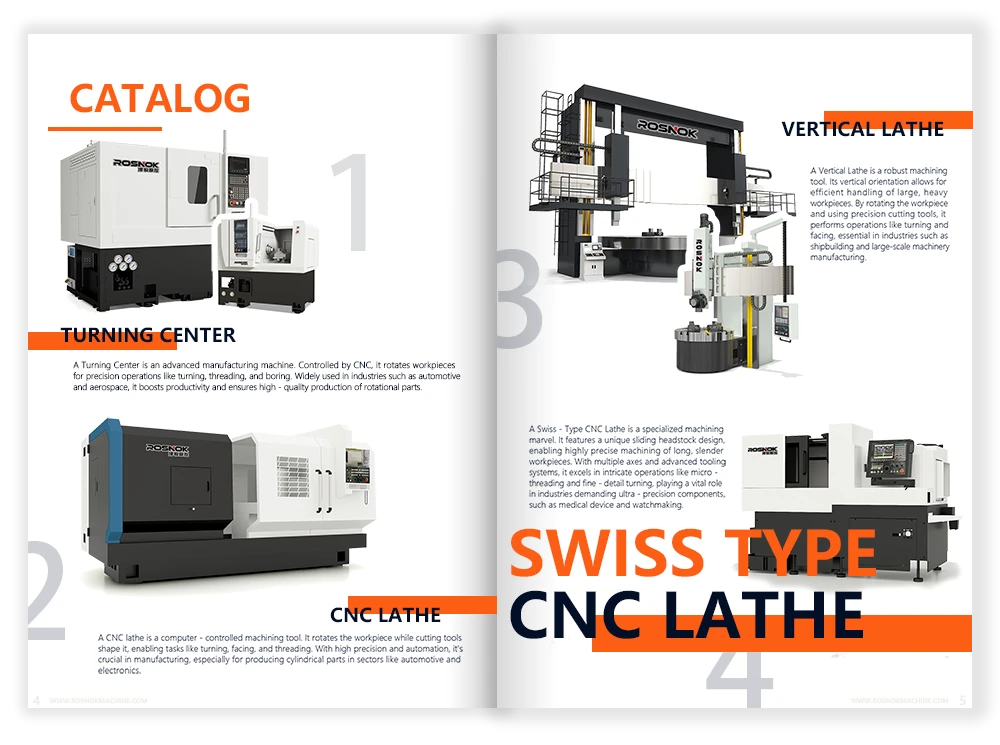
None of this works without the right machine. Titanium demands rigidity, thermal stability, and reliable cooling. At Rosnok, our CNC machining centers, lathes, and Swiss-type machines are built with rigid constructions, high-pressure coolant options, and precision toolholding systems to handle titanium with confidence. For aerospace, medical, and industrial production, they provide not just equipment, but a stable foundation for accurate and repeatable results.